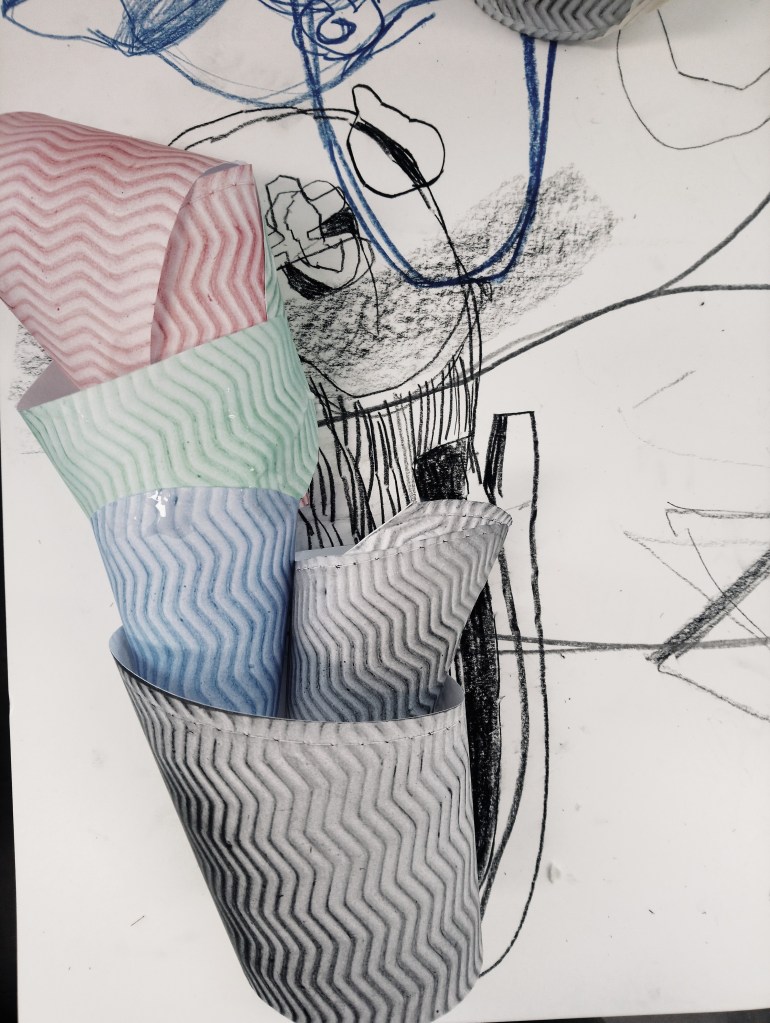
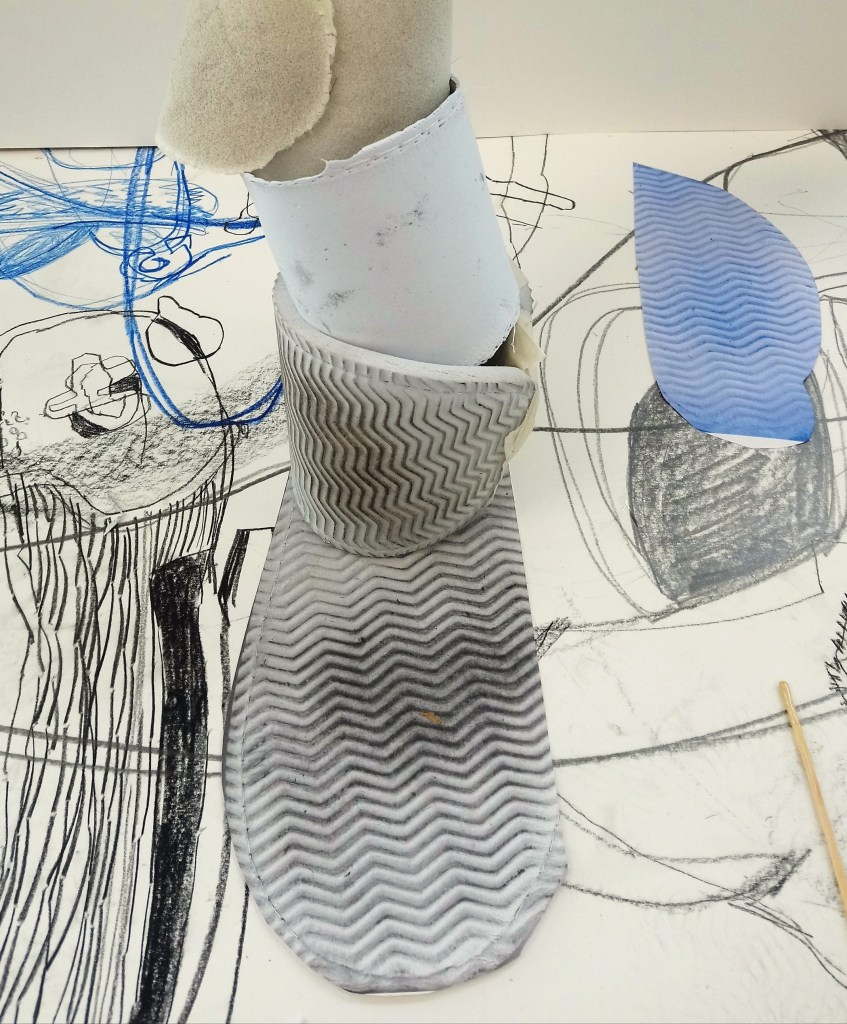
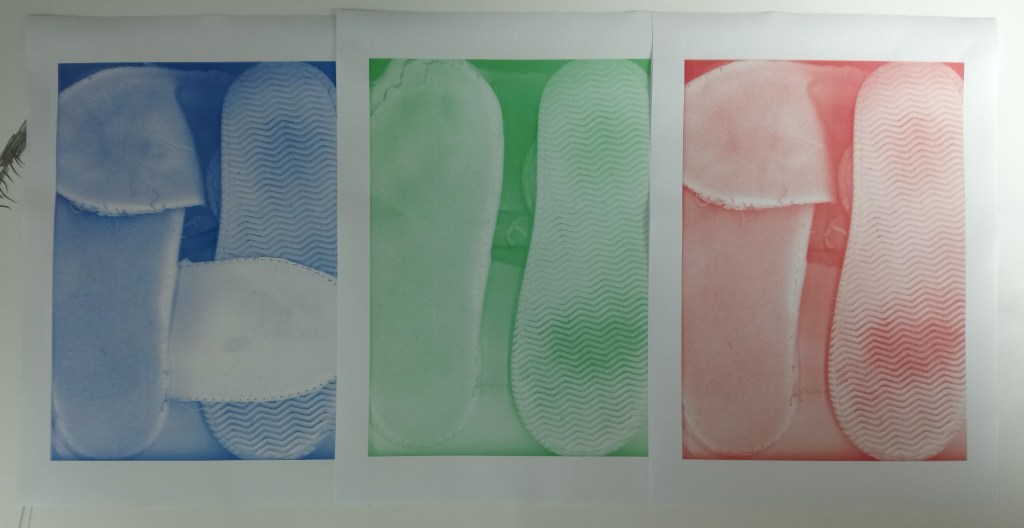
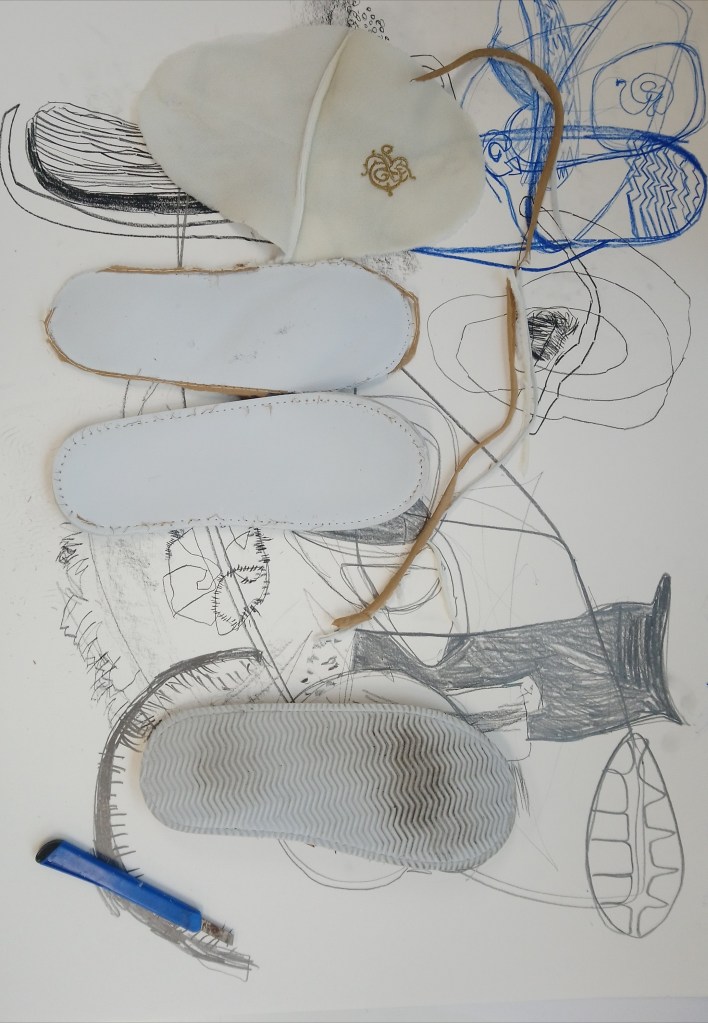
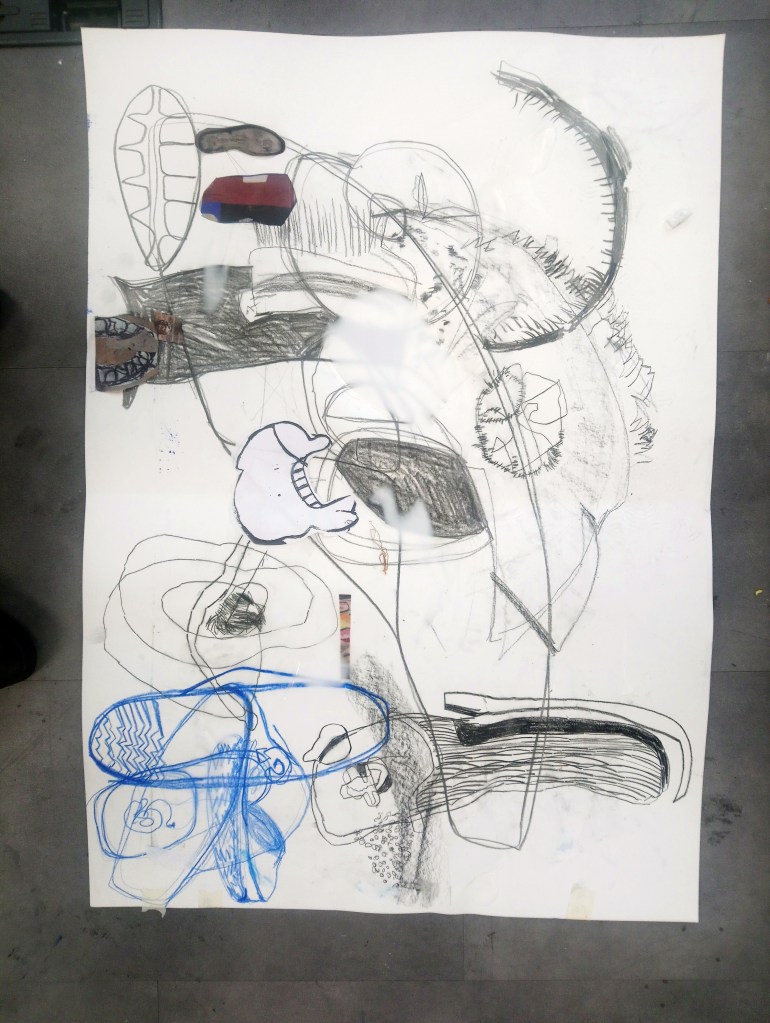
photocopy of soles, deconstructing a shoe3D object with a sole. deconstructing the drawing of Gary classdrawing a solea construction with a Sole, and a deconstruction of a shoe.
The structural and fisical understanding of
a shoe.
Deconstructing a shoe and producing a new
object with the materials of the shoe.
We engage with the notion of looking and
avoid cliché, using drawing as a different voice, the notion of using
materials.
Notion of deconstruct how you actually physically
you deconstruct, we will respond to the material we have deconstructed and make
a new object a 3D collage.
After the 3D collage we will make a drawing
from the object.
Jean finguely is an influence.
Sculptor and experimental artist, he was interested with the concept of destruction as a means of achieving the dematerialization of his works of art. He expressed his conviction that the essence of both life and art consist of continuous change,movement and instability, finguely was an innovator in his appreciation of the beauty inherent in machines and junk and his use of spectator participation in many of the events he engineered, spectators were able to partially control on determine the movement of his machines
deconstructed plastic sole with grotesque faces.Plastic sole
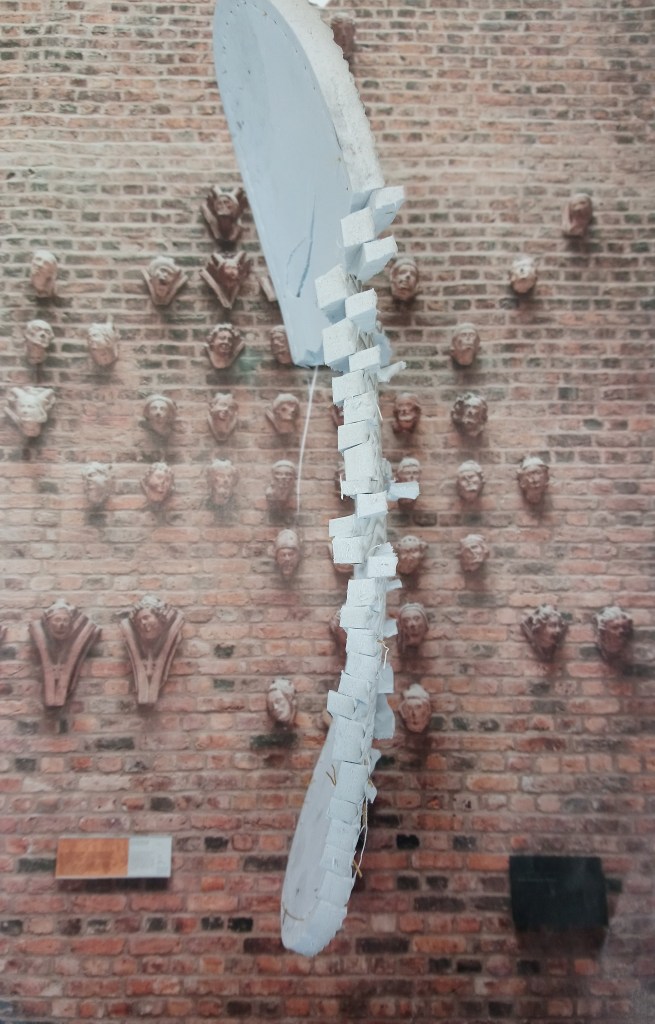
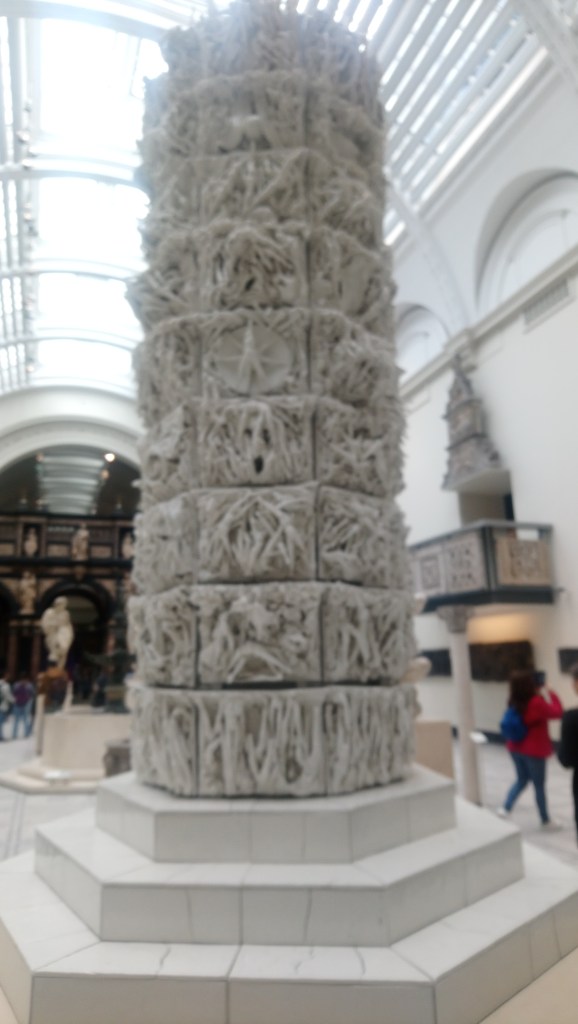
After the Class of deconstructing a shoe , I had a sole full of marks and textures, on my table I saw a photo of the Victoria and Albert museum the image of the photo was a wall full of briks and grotesque faces looking at you.
I could see the relation with my deconstructed
sole with that bricks, I stick together that
two objects, the photo and the sole , apparently complete different but at the
same time the same. The old bricks with the new deconstructed sole that looks
like briks, old and new, clay and plastic. The antagonism that are always
together.
That day at the V and A museum it seems I was attracted by grotesque figures that’s why Dante with the divine Comedy is part of the Artefact I am creating.
Julian Class
Accidents , improvisation and not to know what you are doing it may be the process. not to know what you are doing is to know what you are doing.
Sometimes the artwork can be finish on his own, you leave it for some years and went you go back you see it with fresh eyes or maybe the material has change. Miquel Barcelo the spanish painter left a portrait painting in his studio in Africa for 5 years, when he went back to see that painting it was ¨damage¨ from insects, that accident was perfect on the oil painting, he decide at that moment it was a finish piece.
Accidents can be an opportunity to change direction or a perfect mark for the art, we just have to know how to read between lines.
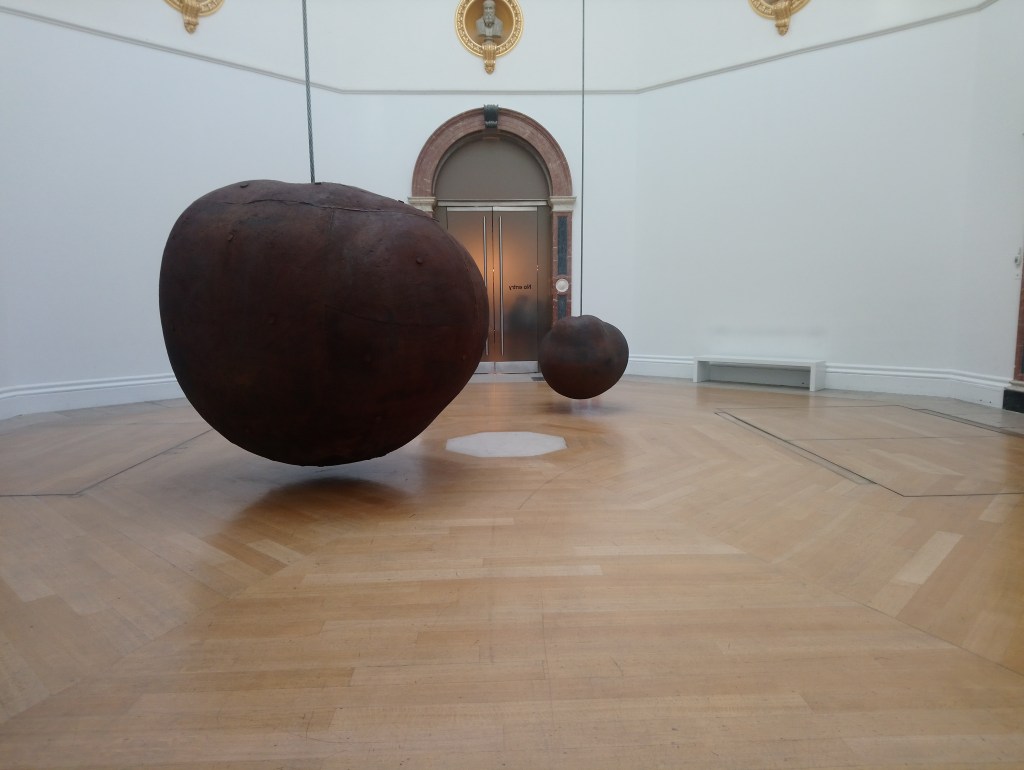
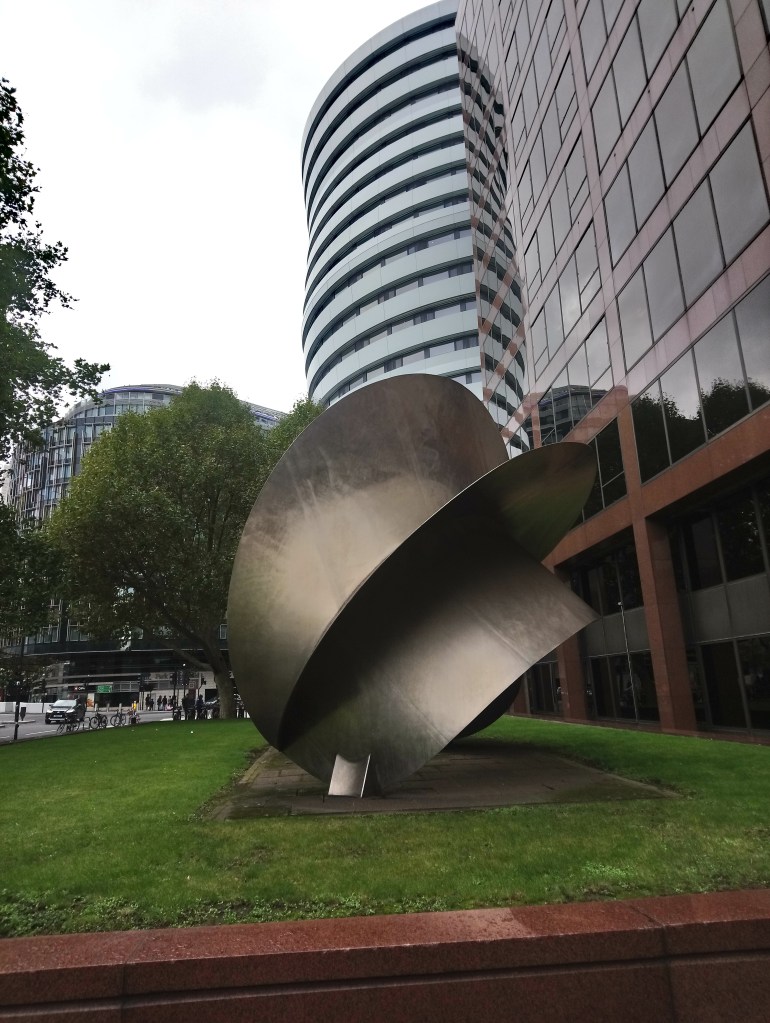
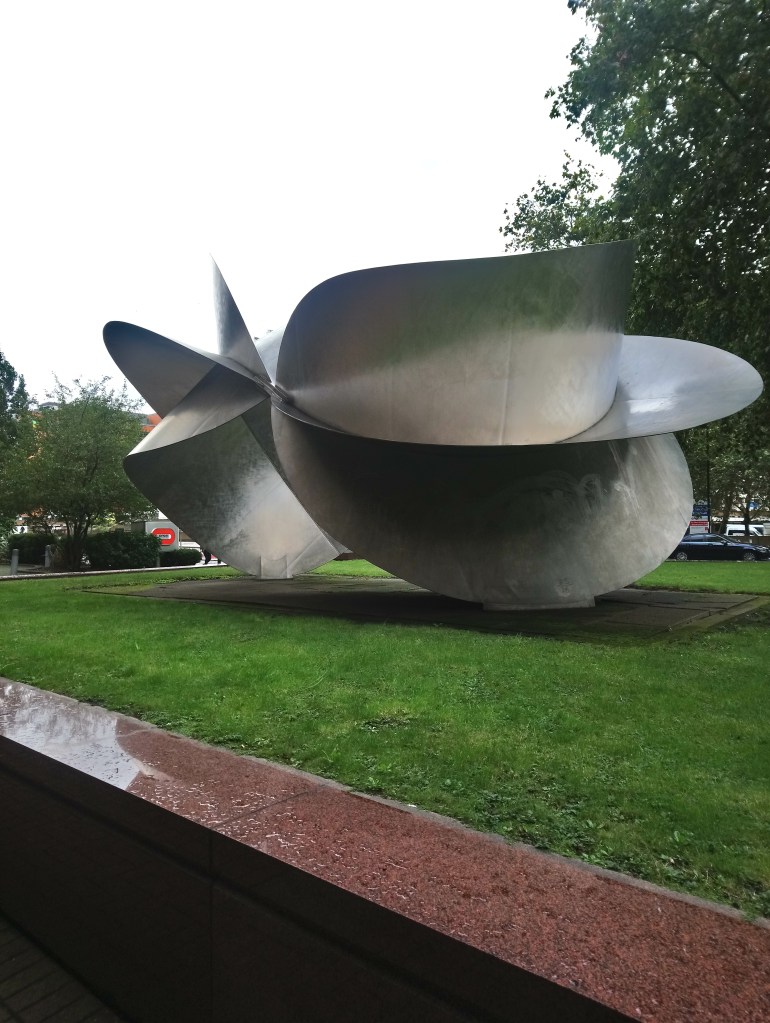
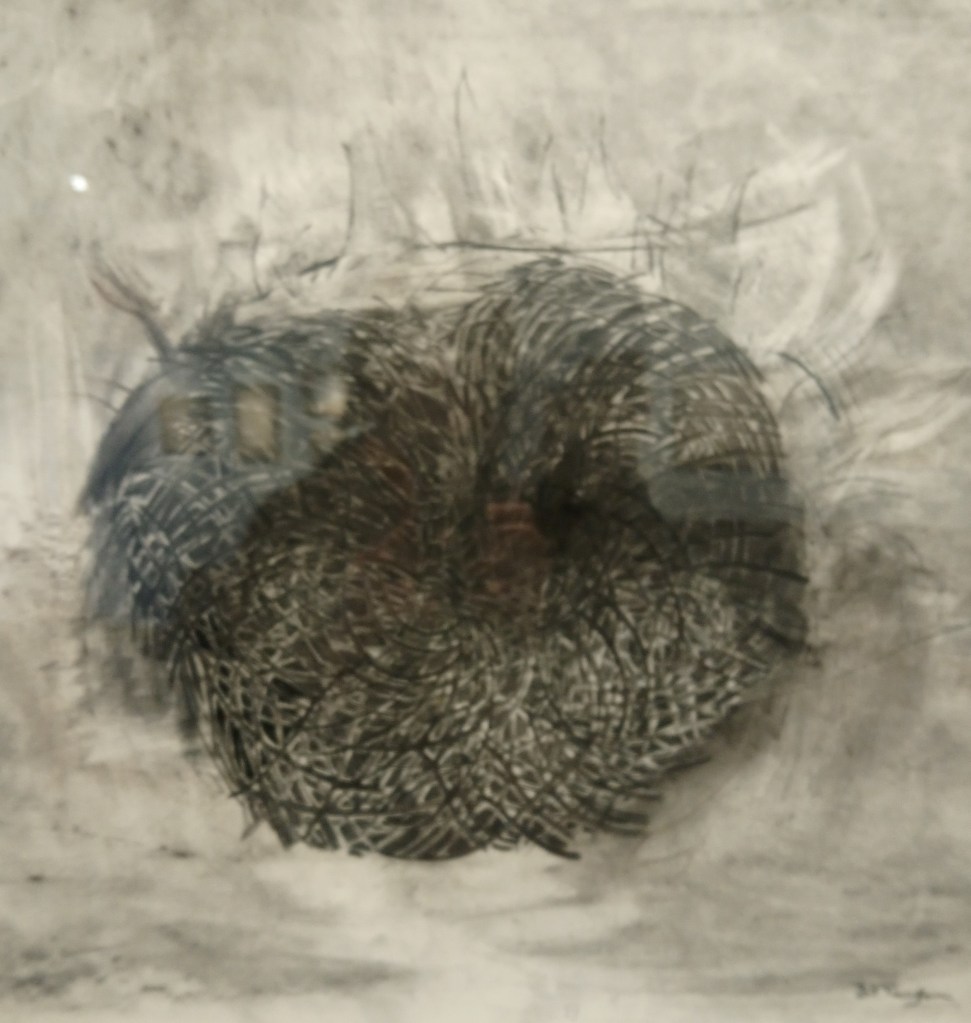
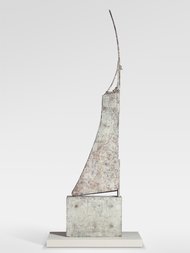
Antony Gormley.Antony Gormley Artist.Bernard Schottlander Artist. Title.South of the RiverBernard Schottlander.Brian Taylor Artist. Abstract Sunflower head.
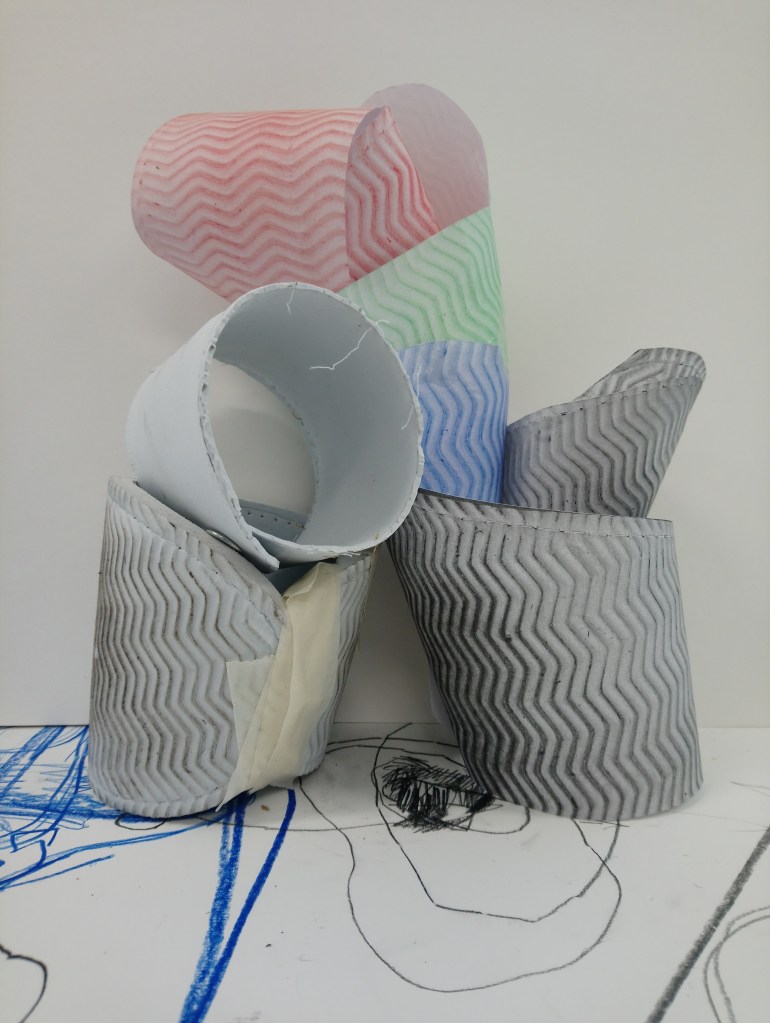
I am interested with different materials for the artefact that I am producing, these artists have influenced me for the materials, shapes, and the texture of the charcoal of Brian Taylor, there are endless possibilities if I want to build a circle.
Luisa Mascaro. shapes for Circular Line Artefact.collage for circular line artefactIncorporating. hexagons into the circle.
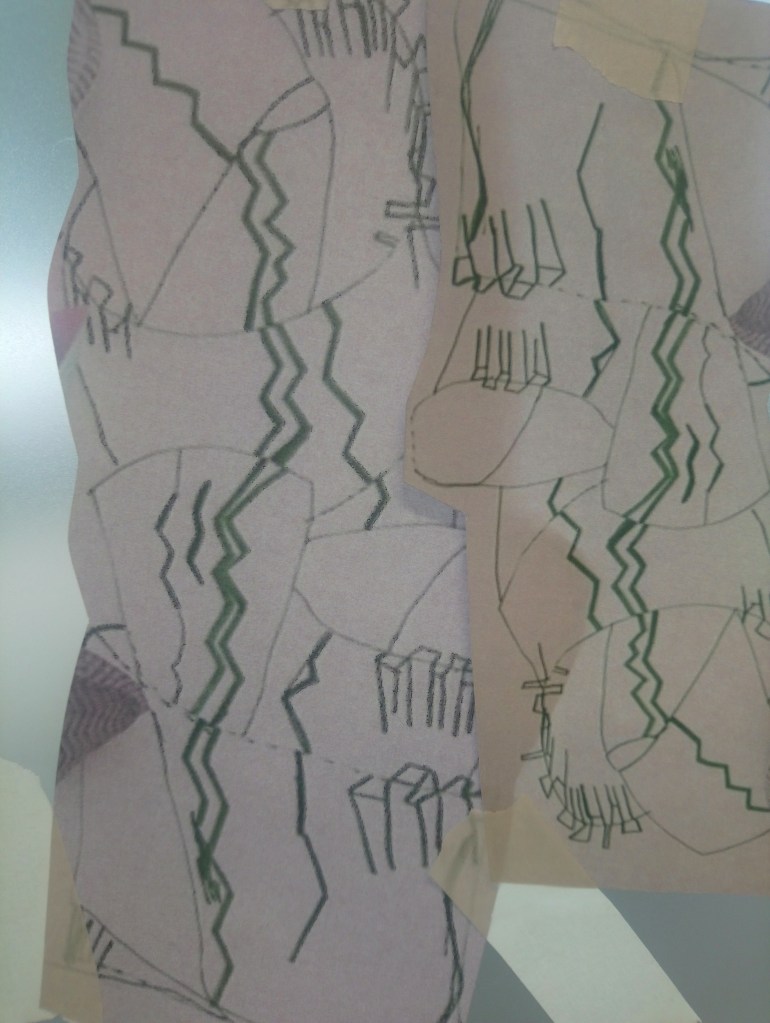
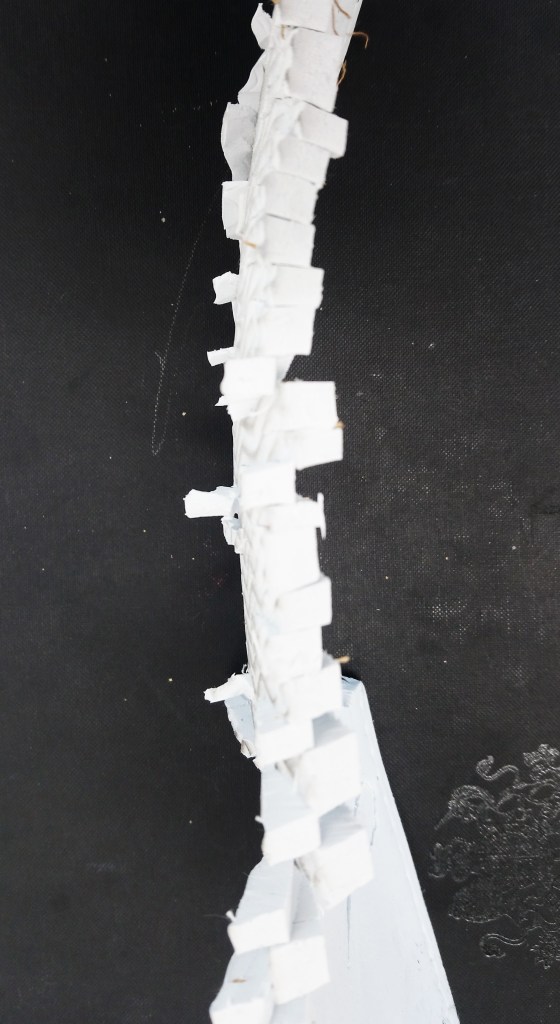
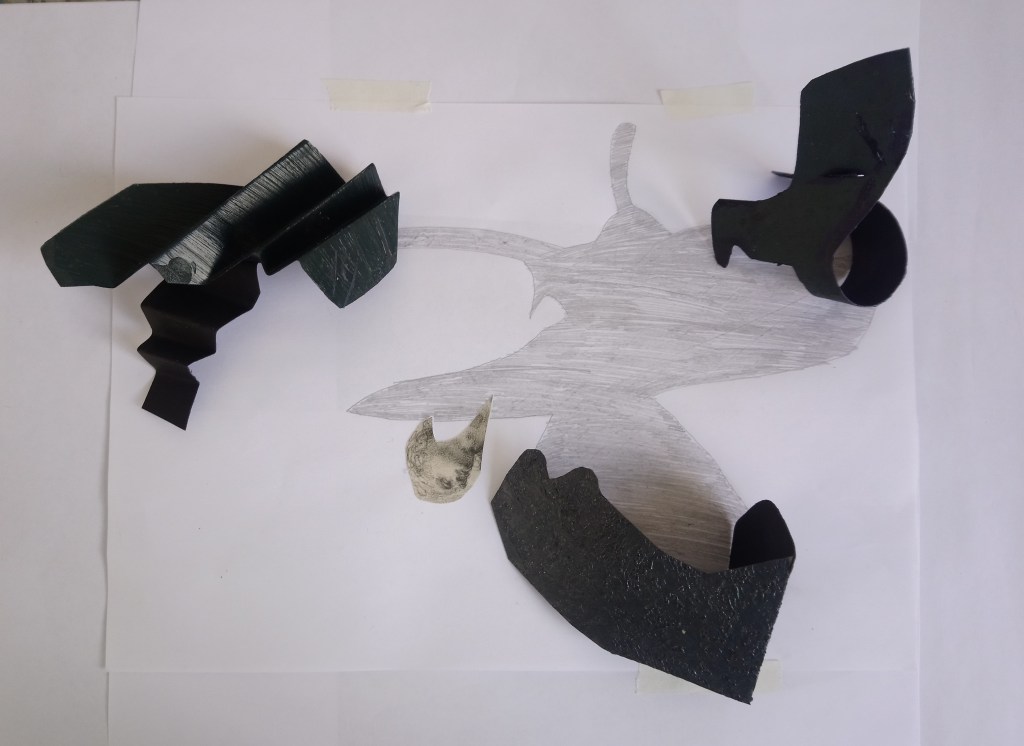
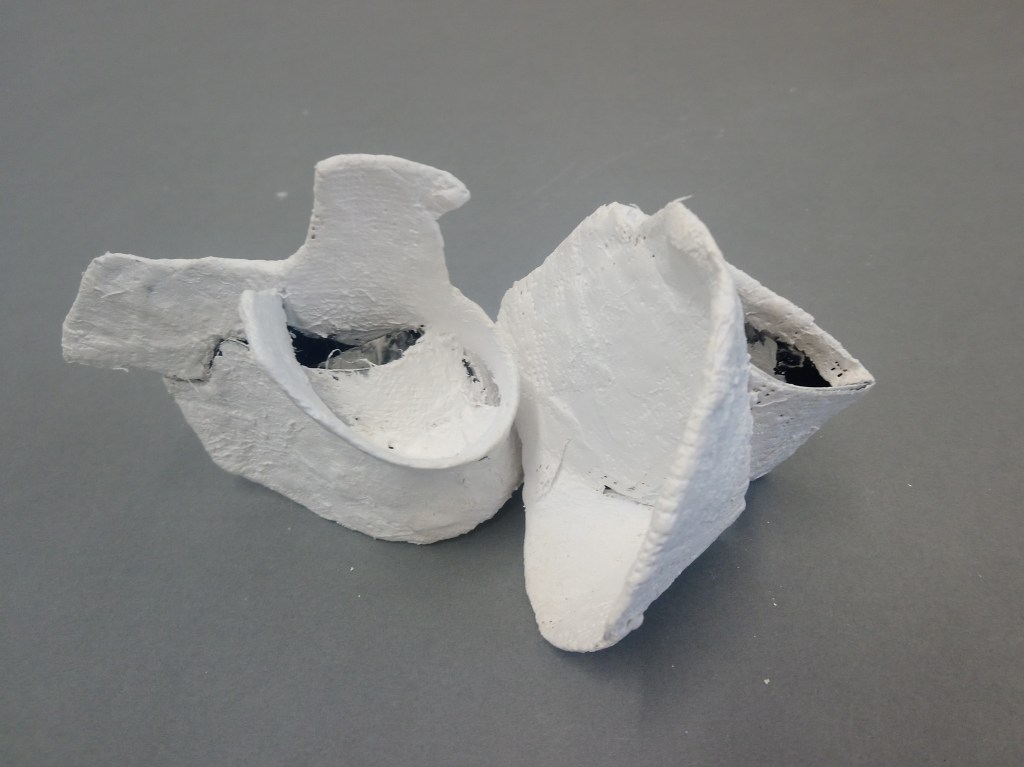
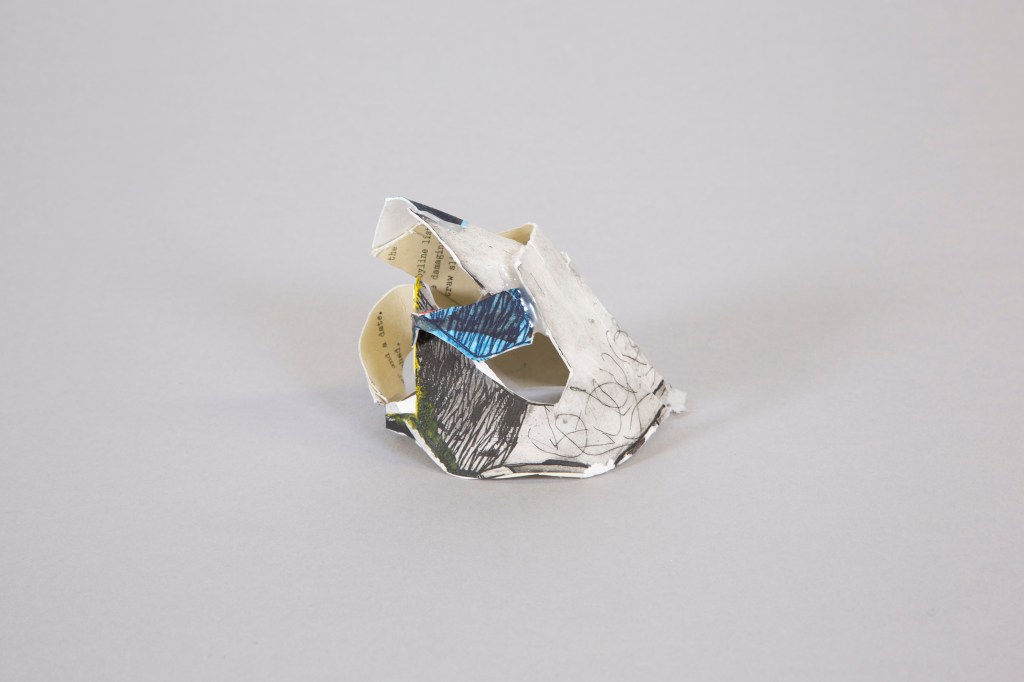
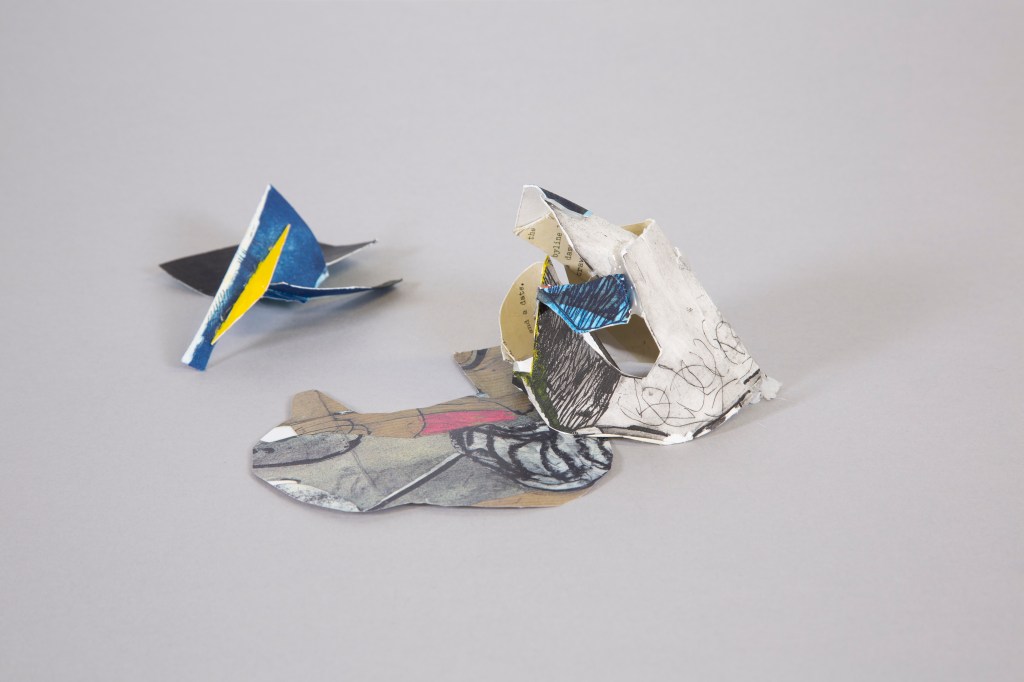
The process of this prototypes is cutting papers , cardboards and etchings . cutting papers from some drawings inspired by circles, cones and hexagons, after I bent and interlock them I was exploring the shadows and lights reflected on the floor produced from the prototypes.
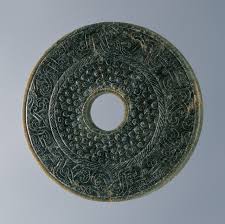
plaster and paper, prototype for the Artefact.3D etching..looking for circles mirrowing Jade Bi Artefact, hexagons mirrowing Jorge Luis Borges and cones mirrowing Dante
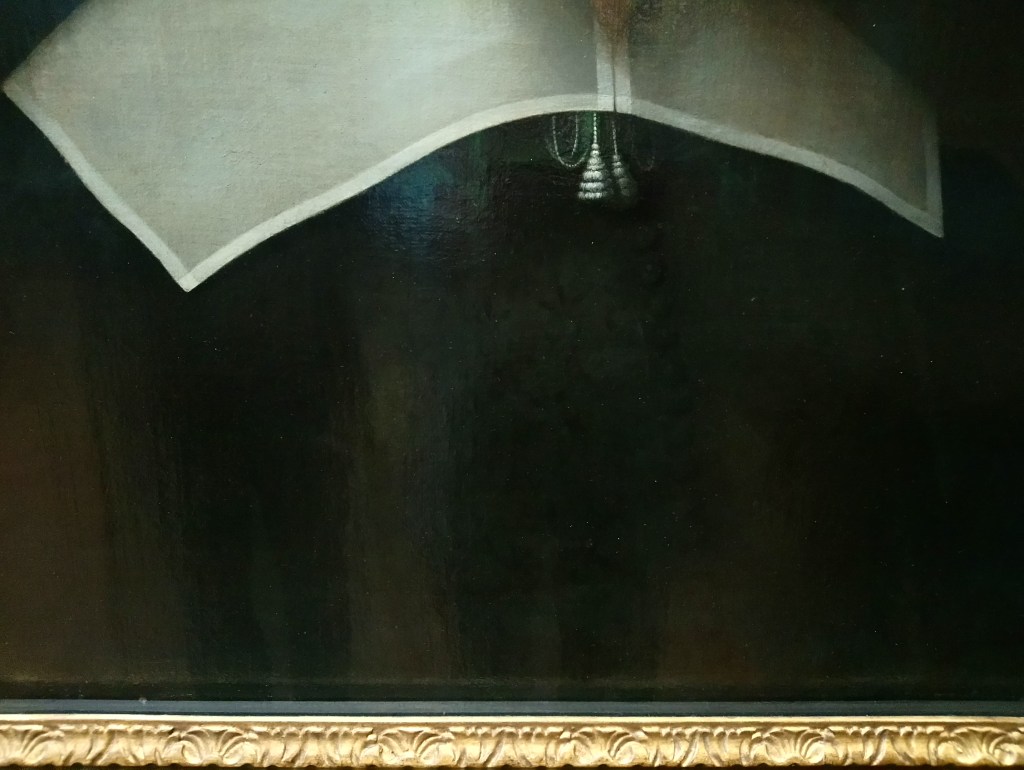
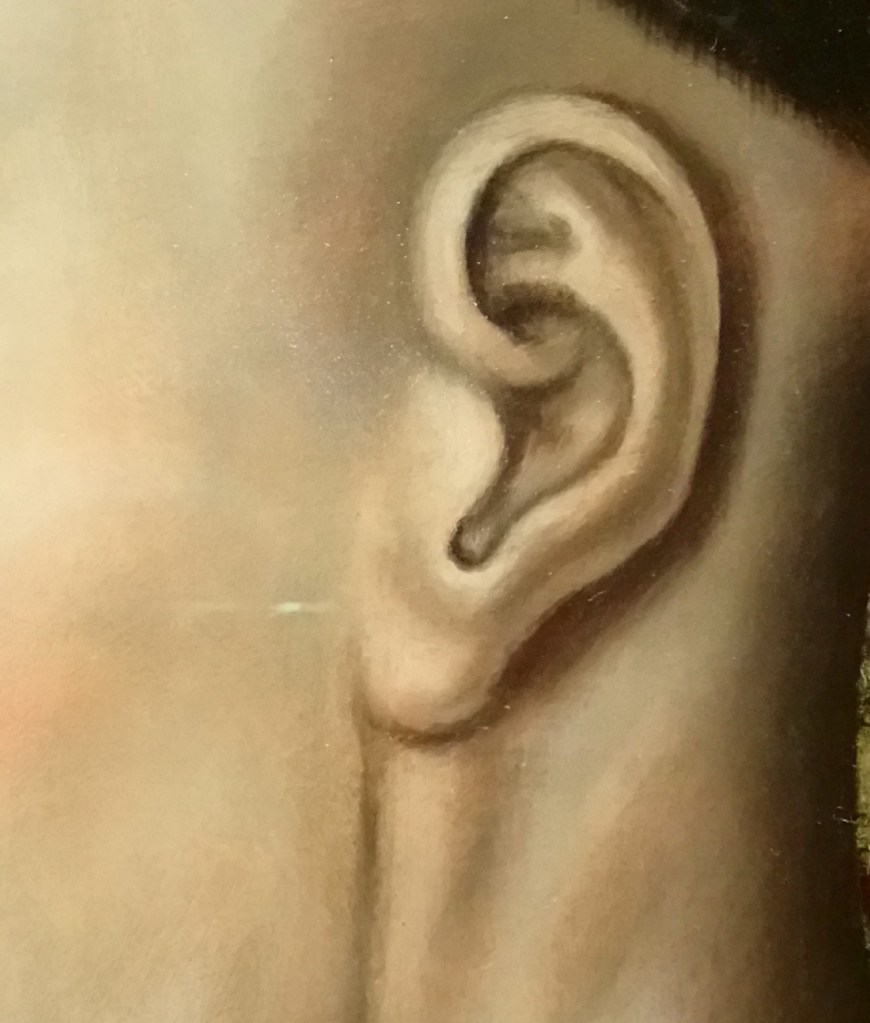
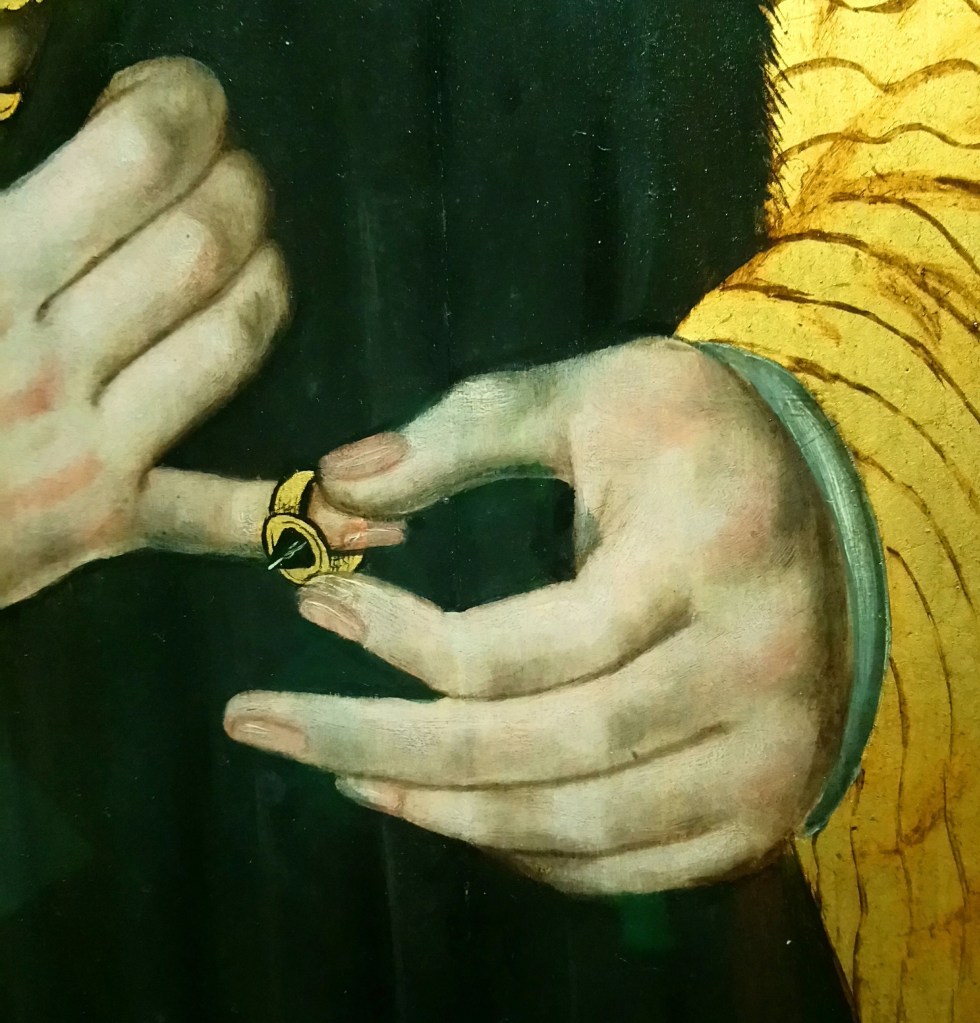
This image is part of a painting at the National portrait gallery .London. and it remainds me Domenico Gnoli this image is part of a painting at the National portrait gallery .London
To see Rather
than to know. Breaking down your verbal understanding.
I visited an exhibition with an unexpected Chinese wonderful 16 years .
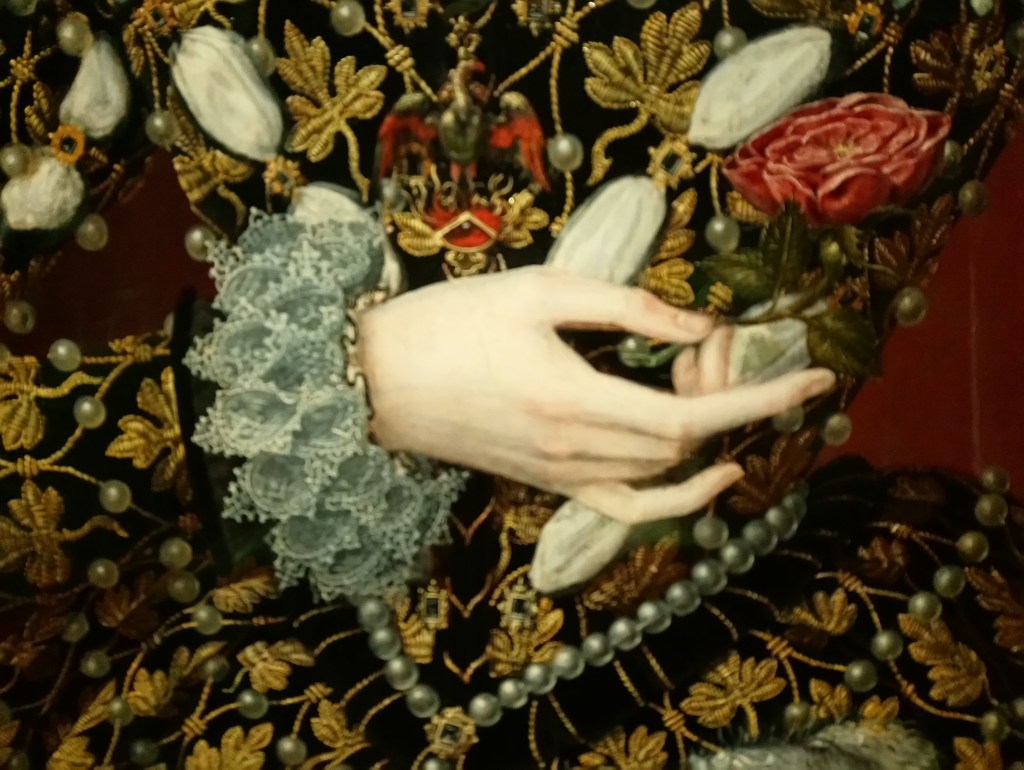
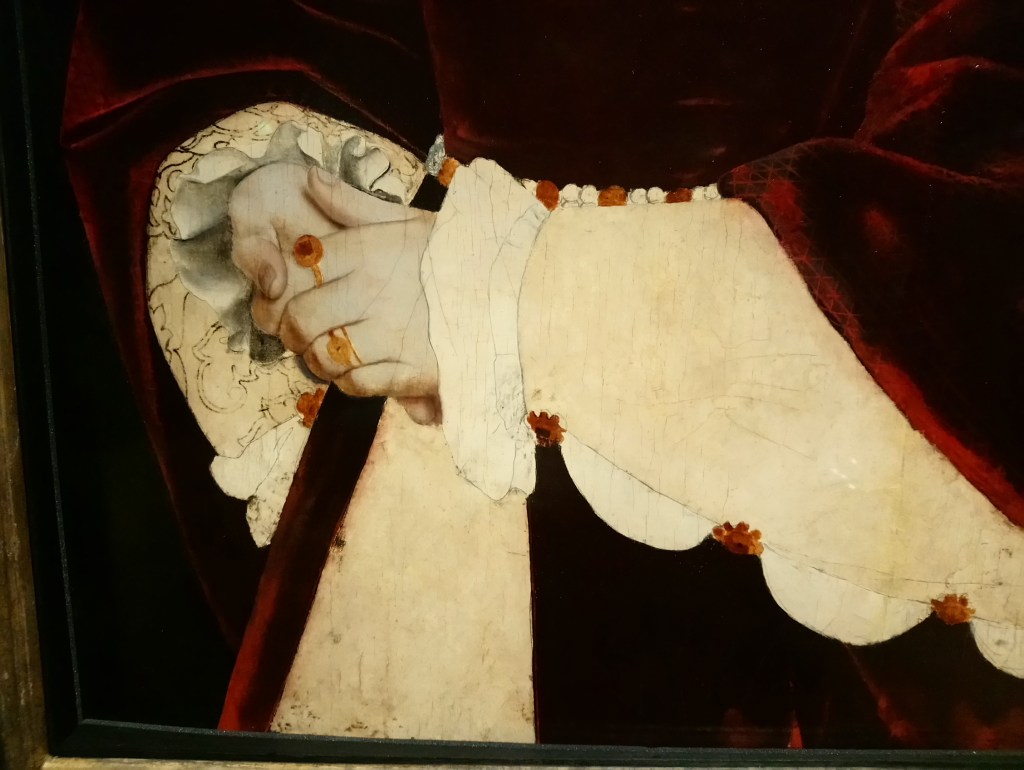
We popped in by chance in the exhibition Science and the Arts in the Seventeenth Century at the National Gallery. The first painting we saw was very soon deconstructed in our mind, We just make some photos of parts of the painting, we didn’t want to know what’s the story behind the mask, we were looking just for the forms of some parts of the painting without labeling them, Sonya pointed me some parts of the painting she was attracted in particular ,the hands, and ears , I could see the 3D objects in those shapes.
After the exhibition she Dance Latin music,
we both dance and I could see the shapes in between and the movement like
Giacomo Bala paintings.
The influence of that experience at the National Gallery for Artefact project are the shapes of that hands, and ears, maybe I can cut some patterns and make objects.
this image is part of a painting at the National portrait gallery .Londonthis image is part of a painting at the National portrait gallery .Londonthis imageis part of a painting at the National portrait gallery .London
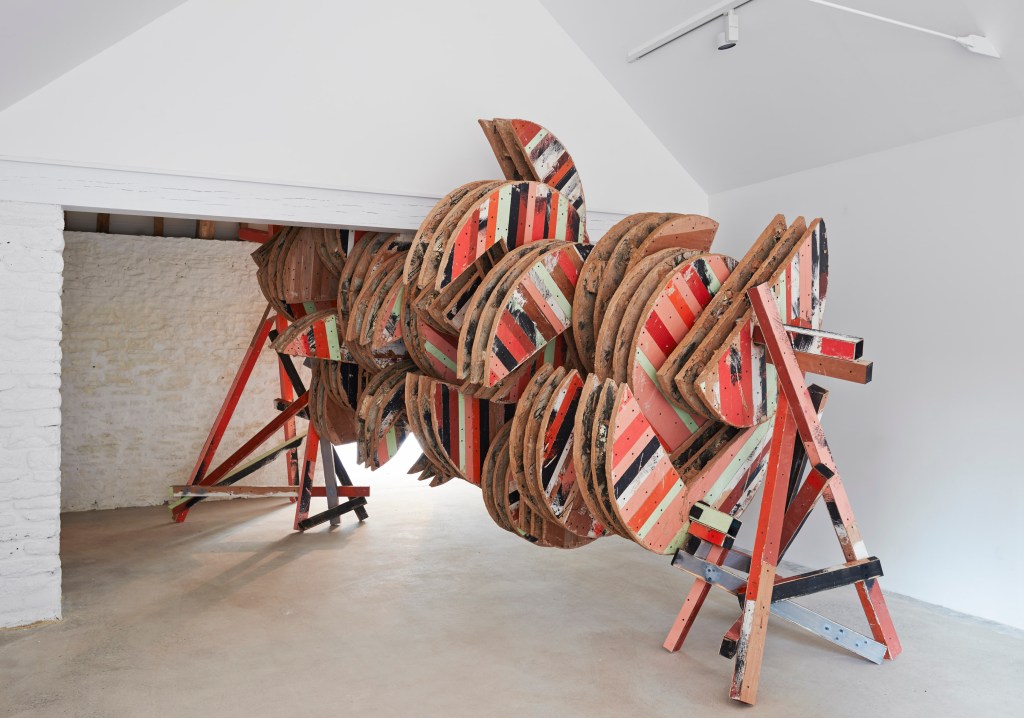
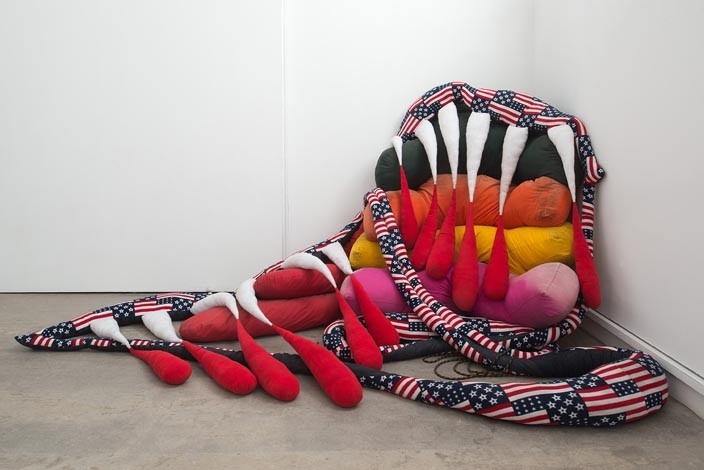
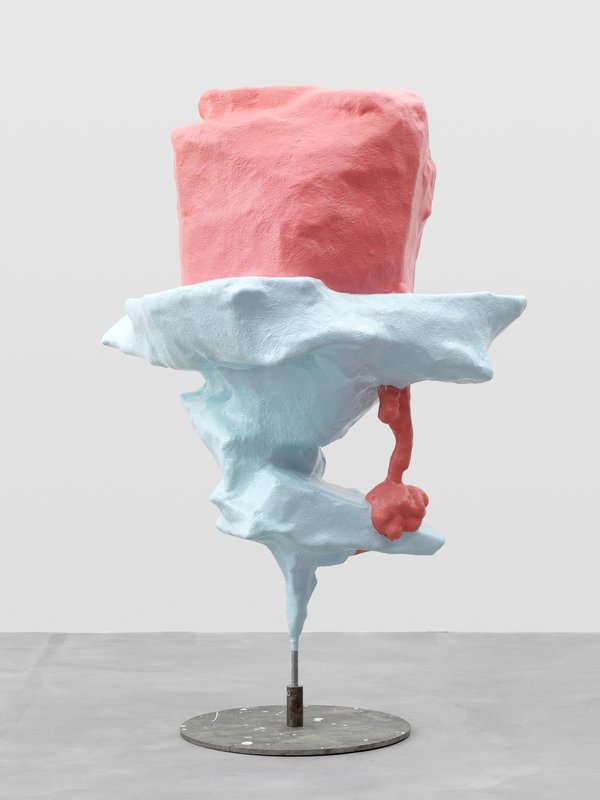
Eva Hesse art workPhillida BarlowtwomblySterling Ruby ArtisFranz West
These artists interest me because they use recycled materials, intuition is an important part in creating their art ,( the intuition has to sit on the shoulders of the knowledge), they use accidents and mistakes as an opportunity for change direction of what was planed from the beginning of the piece.this way of creating art needs a flexible mind.
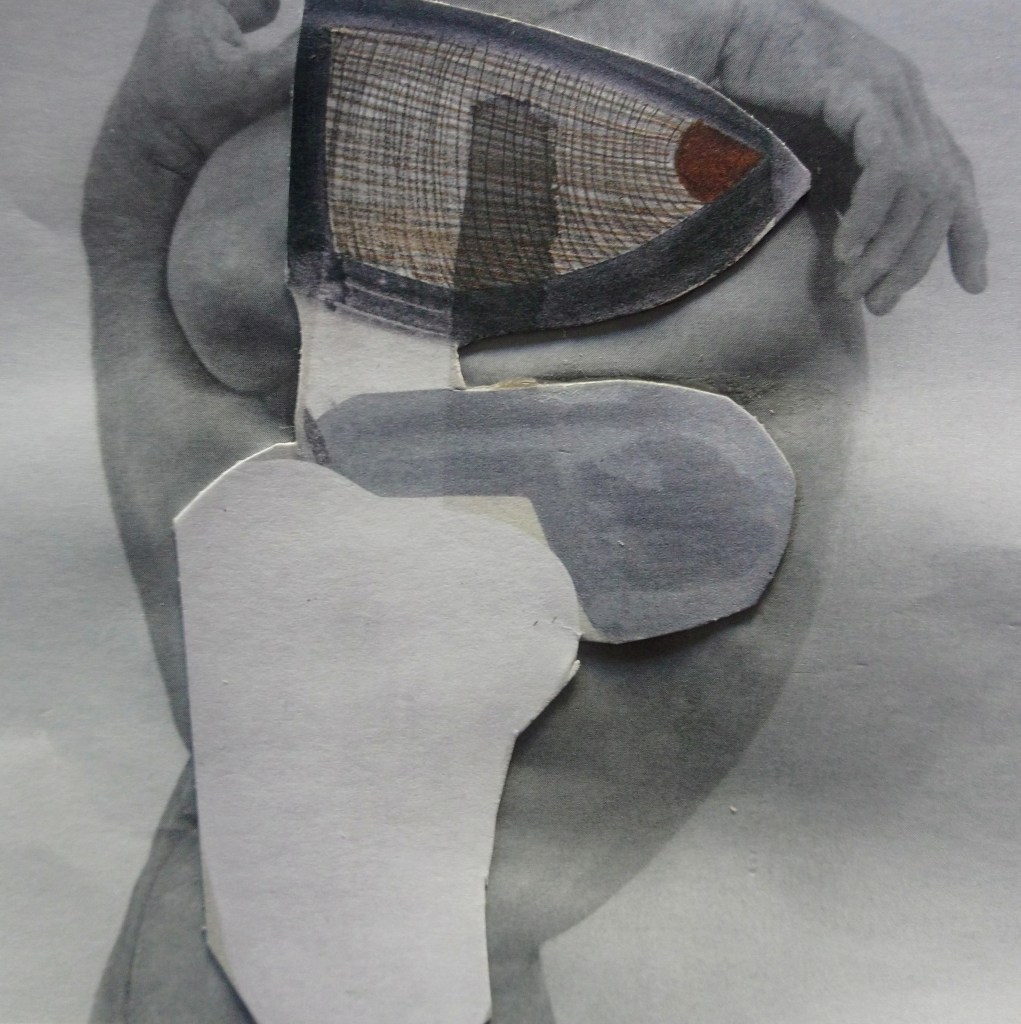
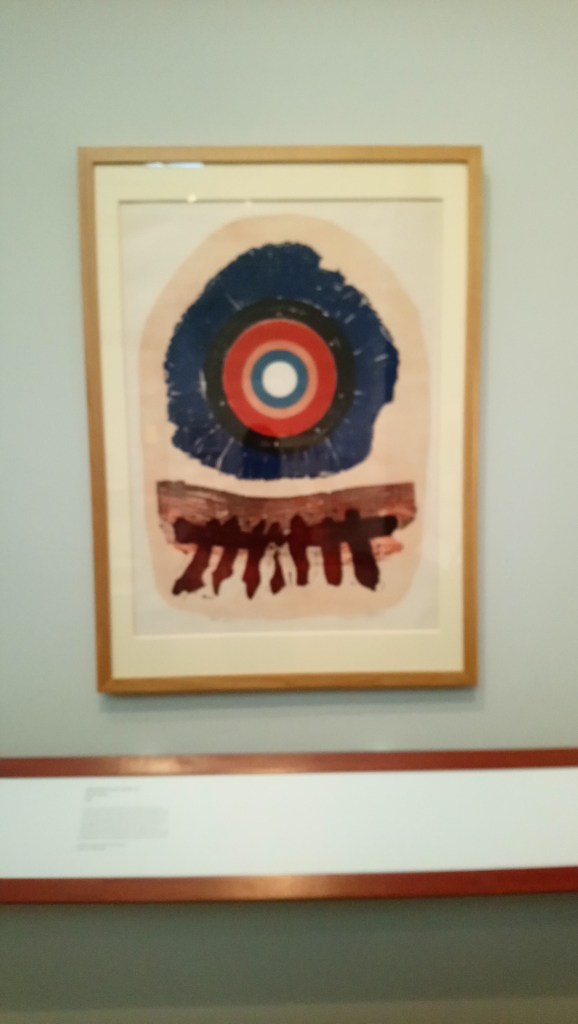
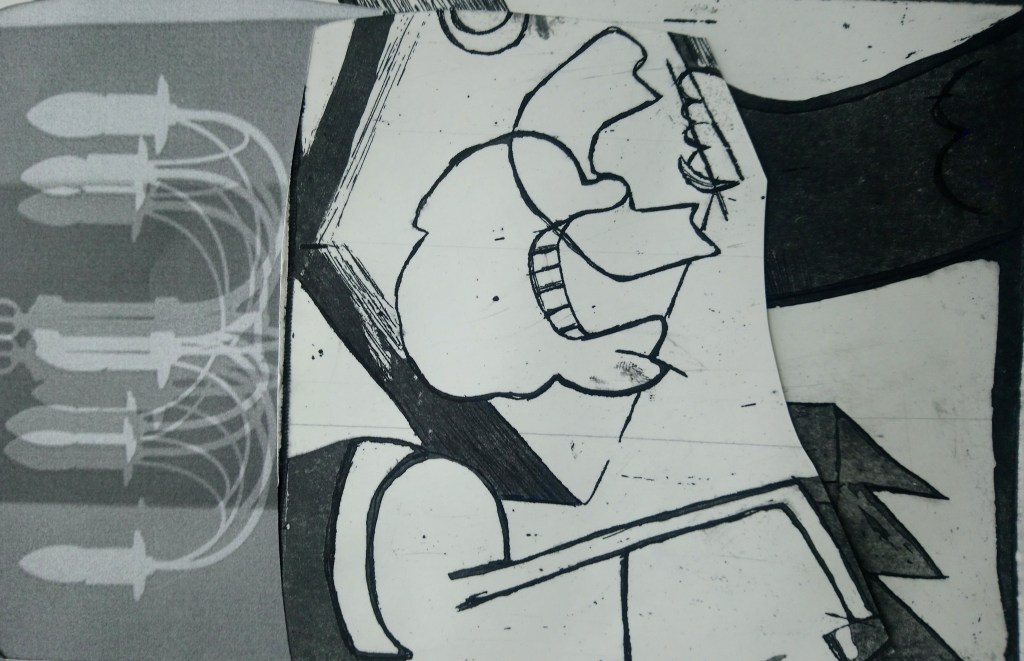
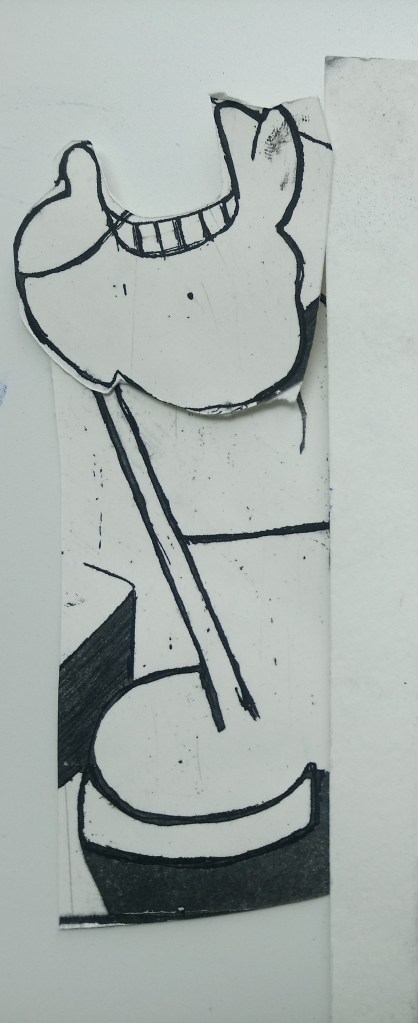
I did this collage with the intention of abstracting some shapes from this image and make it into 3D object, another option that i thought for this collage is to mix lino cut with photo etching and could be a 2D object . this has been inspired by the artist Michael Rothenstein i saw at the Victoria and Albert museum .
is a off-cut of wild elm, dried 2 cracked, became the radial pattern of this image, with metal relief plates as its multi-coloured target. Another piece of elm overprinted with jagged lino formed the lower elements. rothenstein recalled how a family picnic against a ” great wall” of off-cut elmboards, prompted him to ‘conspire’ with nature, embedding it in the very process and texture of his prints.
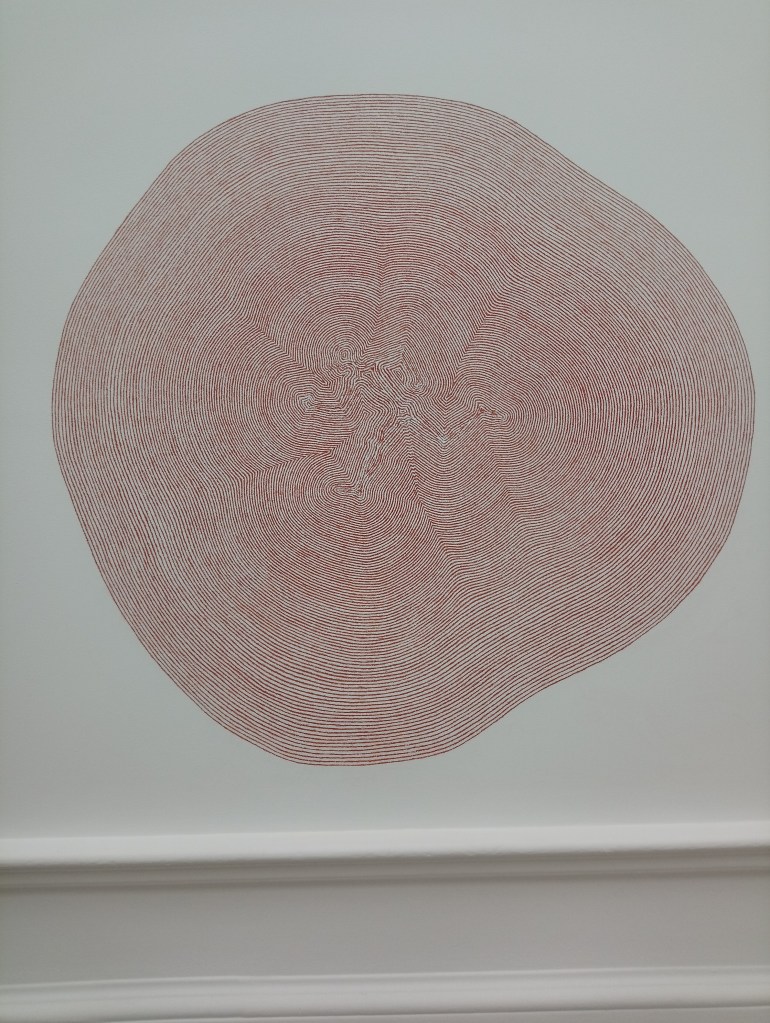
this print made from the artist Michael Rothenstein attracted me for the circular shape in the middle of the paper, i had already in mid the cone of Dante and the hexagons of Borges.
i saw other lino cuts from other artist at Victoria and Albert museum, for me the lino cut itself was an artefact.
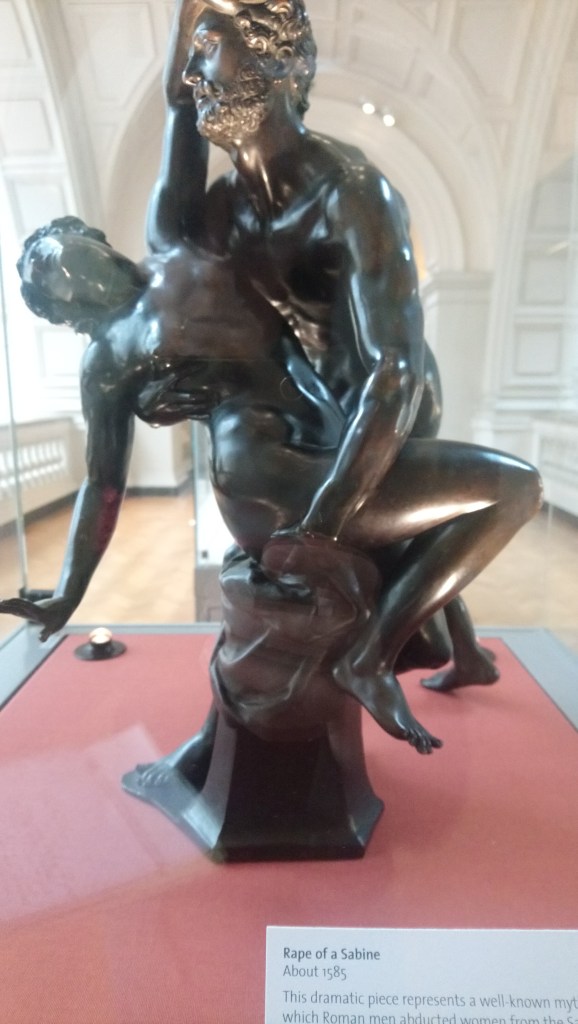
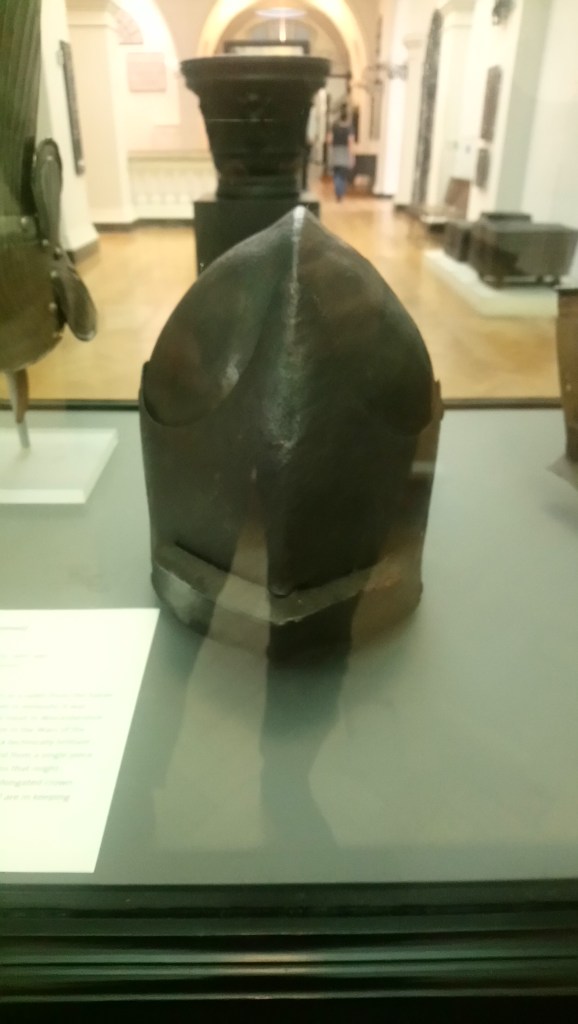
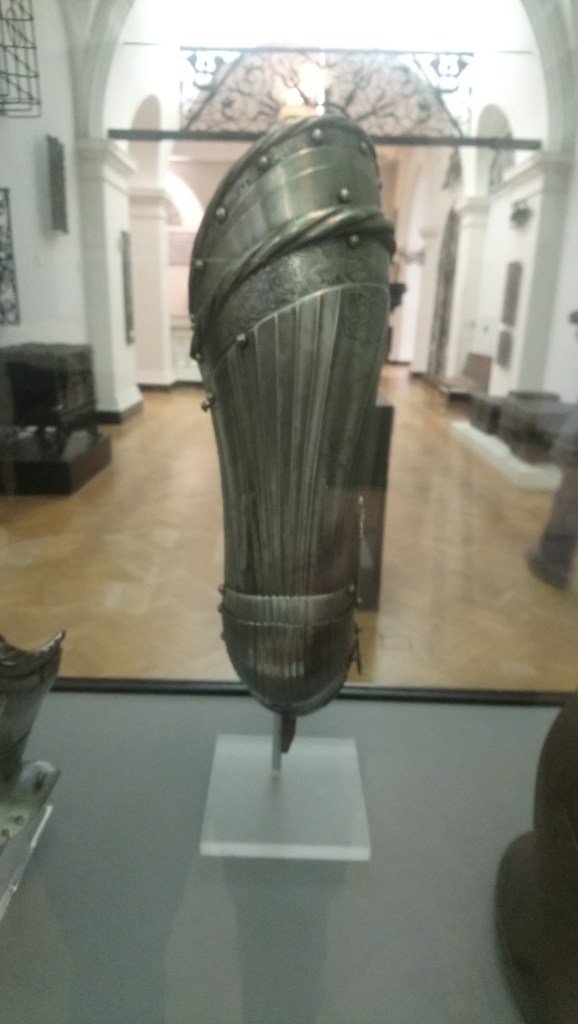
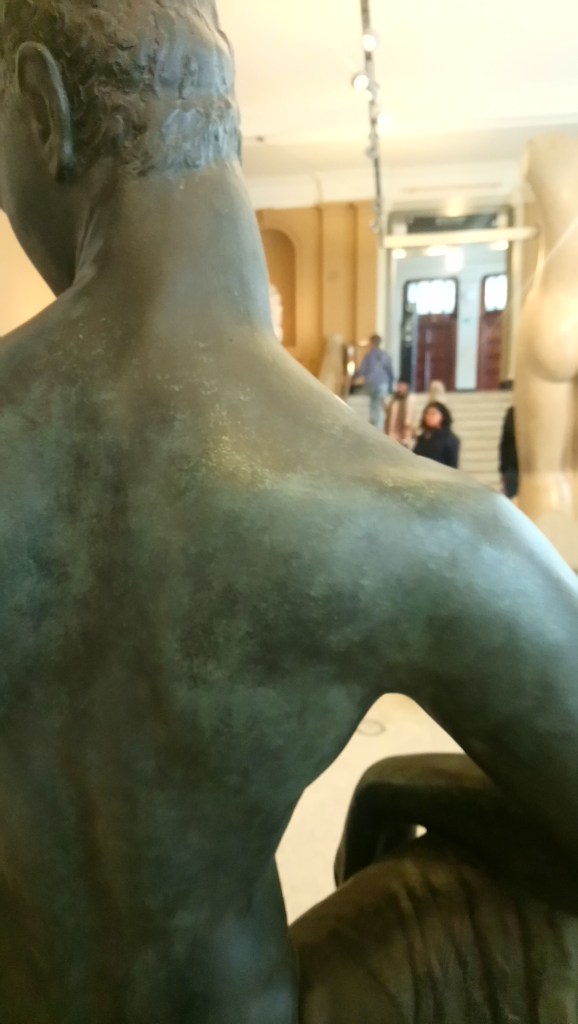
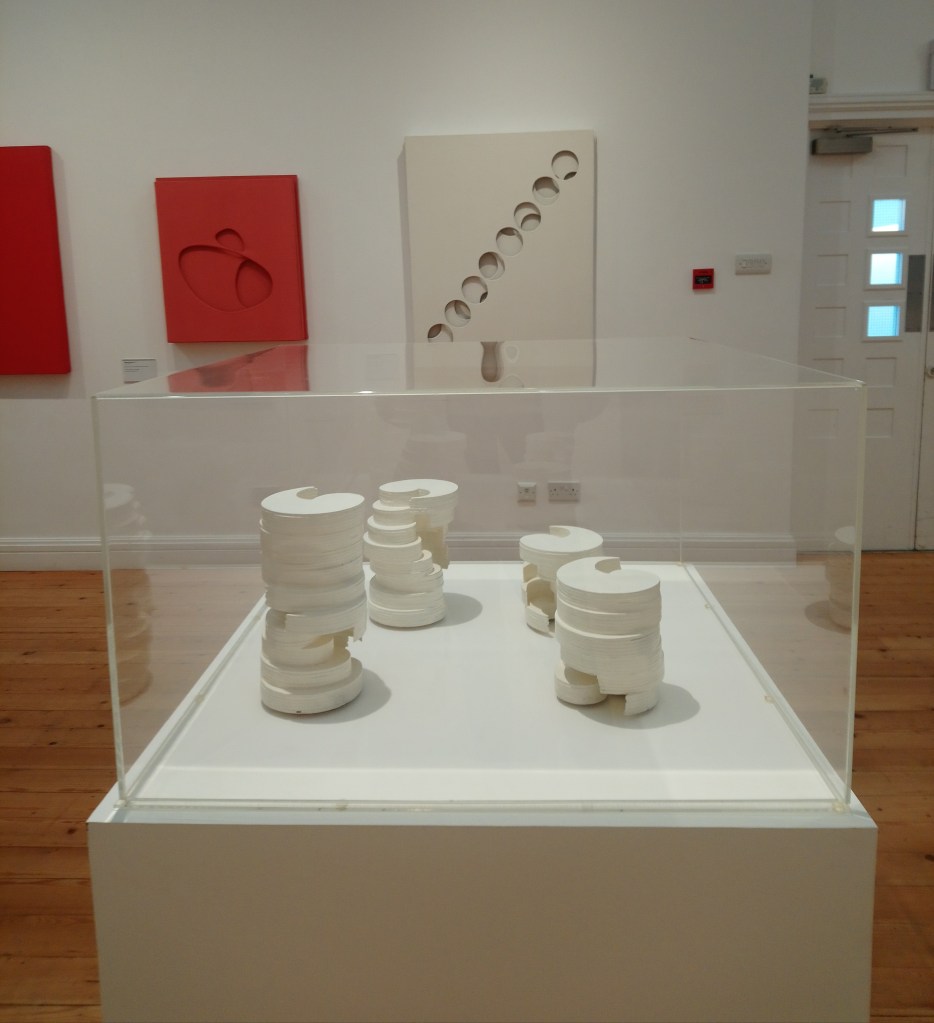
Rape of a Sabine at Victoria and Albert Museum.object at Victoria and Albert museumobject at the Victoria and Albert Museum.Sculpture at Victoria and Albert Museum.Sculpture at the Victoria and Albert Museum. London. Mirrowing Domenico Gnoli Paolo Scheggi artist at Estorick collection of Modern Italian Art. LondonRachel kneebone Artist, title of this piece .399 days.
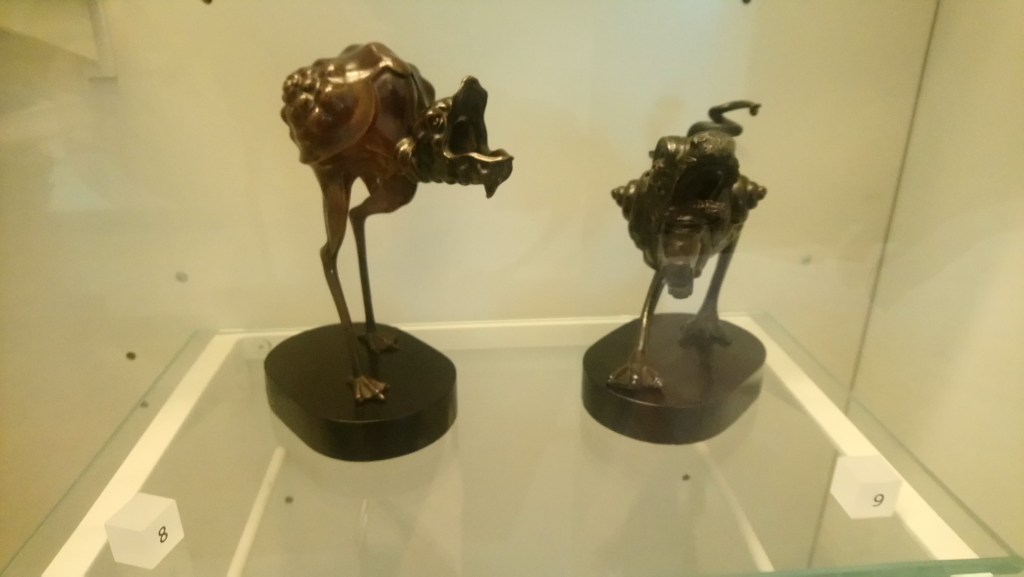
the first object I notice when I went to
Victoria and Albert Museum was a grotesque bird ,then I saw the sculpture the rap of the Sabines,
Instantly I travel in time to Italy when
my friend was actin the Dante’s poems in the theatre, I like to observe the
scenarios we play in live, they remind me the Divine comedy of Alighieri.
My second starting point of the artefact
was the divine comedy, specially the cone where Dante situate the
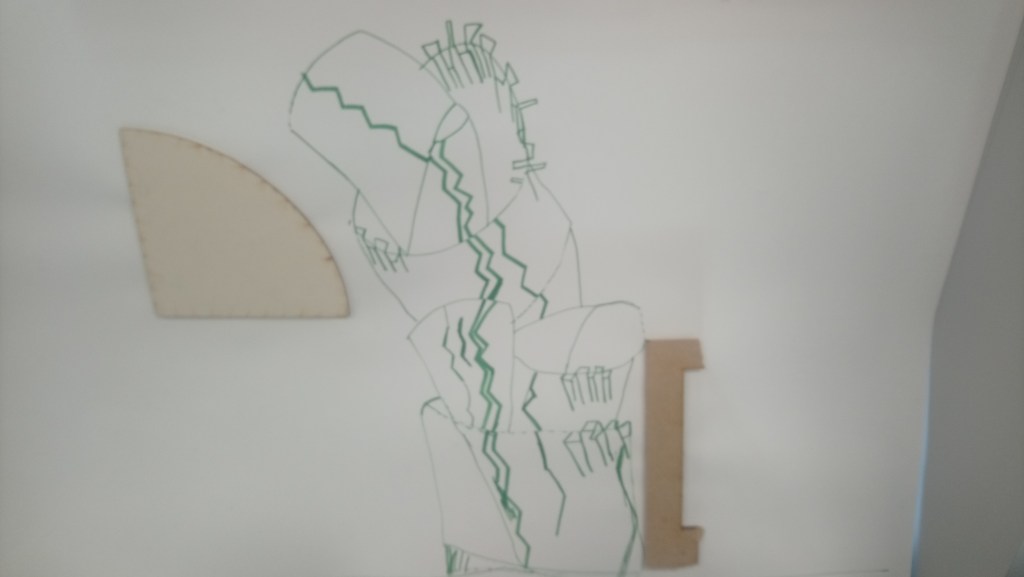
characters depending of the process of their live. I draw a cone with a line
and I decide to call the artefact Circular Line.
The seed of Circular Line object which I
decide to called it was already planted in the ground. Borges the writer also will have some influences on
the object I’m creating with his book Labyrinth. He is talking about hexagons,
and the hexagons with the cone of Dante it can be a 3D object.
There was not personal or world problem
whose eloquent solution did not exit in some hexagon.Borges.
Another influence is Rachel Kneebere with his artwork of 299 days I saw at the V and A, I could imagine the influence of Rodin with the Gate of Hell.
Domenico gnoli and henry Moore, I admire this two artist for the shapes of their paintings and sculptures, i saw some sculptures at Victoria and Albert museum ( i show on the photos above)that reminds me this two artist.
Paolo Scheggi artist another influence , having the ”circular line ”in mind i saw a fantastic maquet at The Estorick collection .
Grotesque Bird. Arentuan Bolten. ArtistJade Bi Artefact.
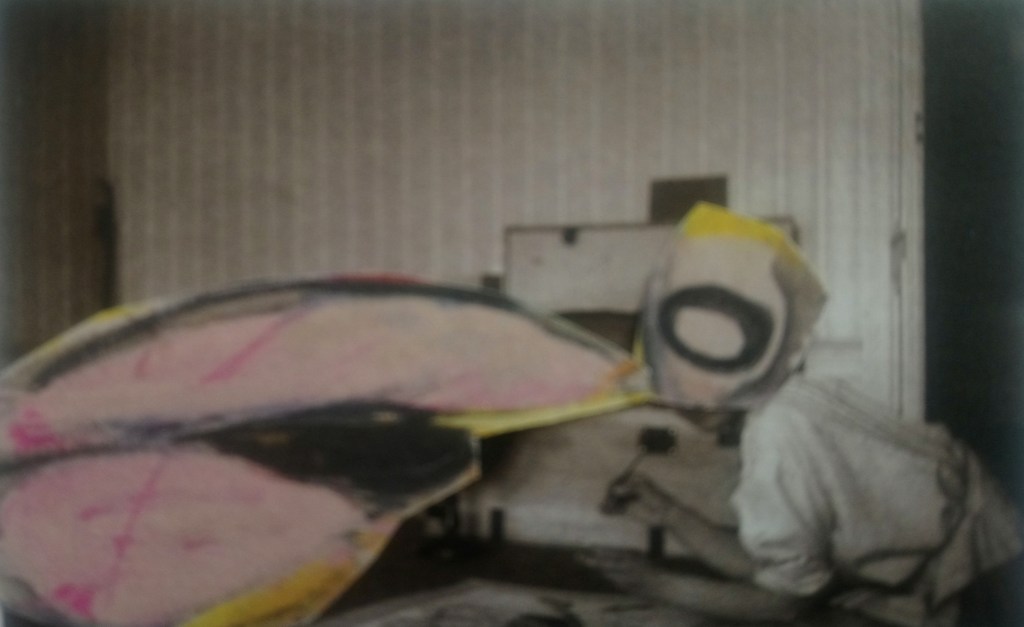
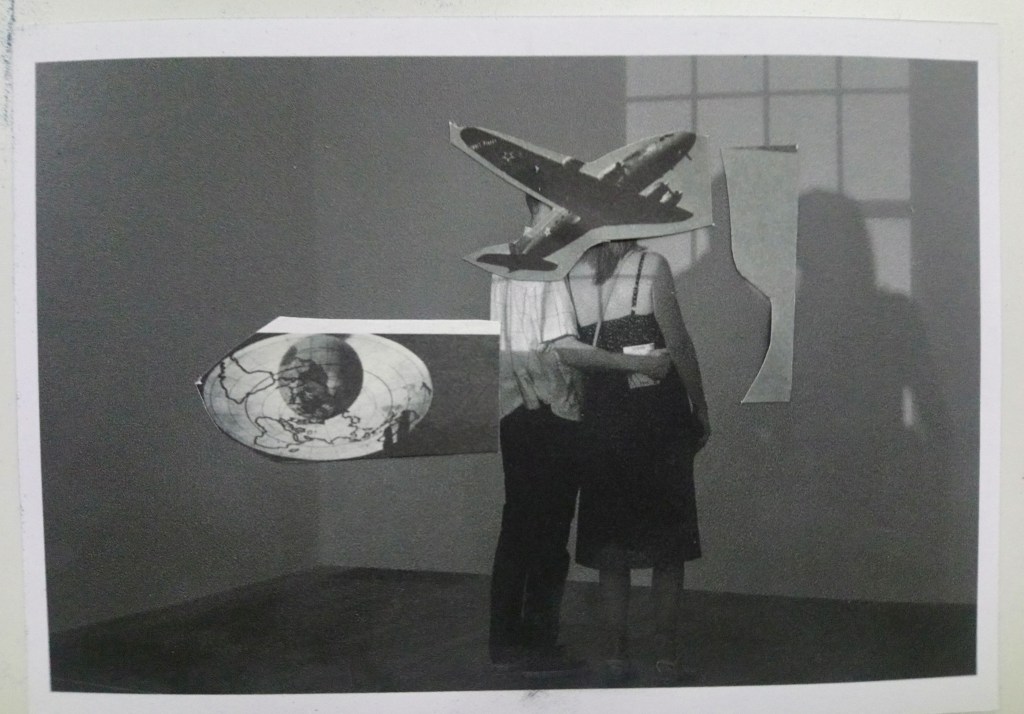
photo of Lee krasner with shapes of her paintings.old etching with part of a photo of Nathan.2 D object, Repetition of the same shape.
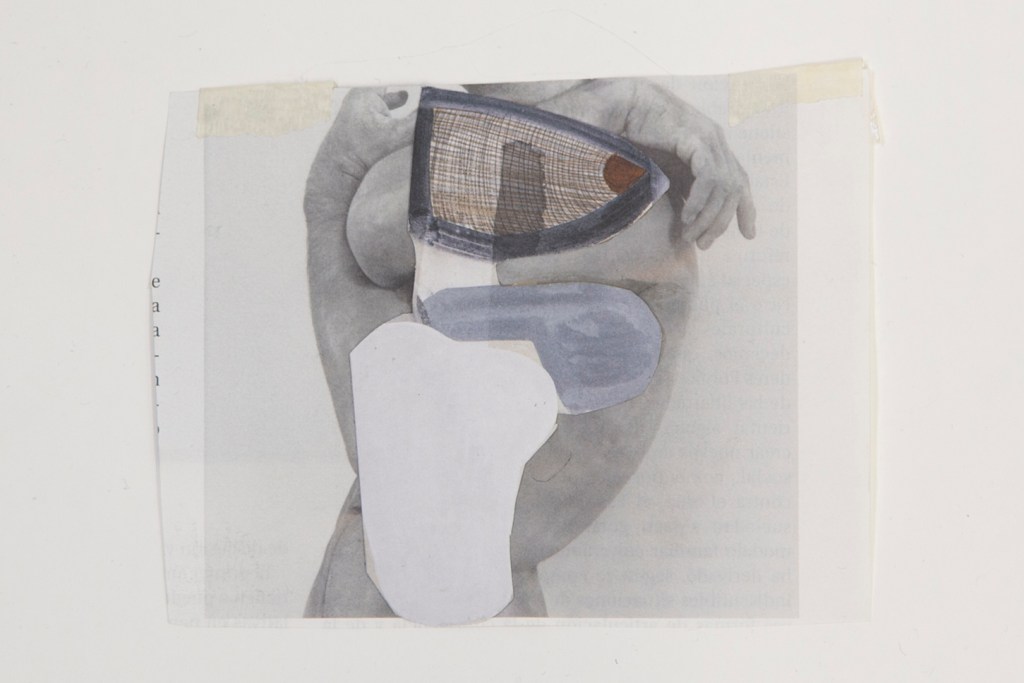
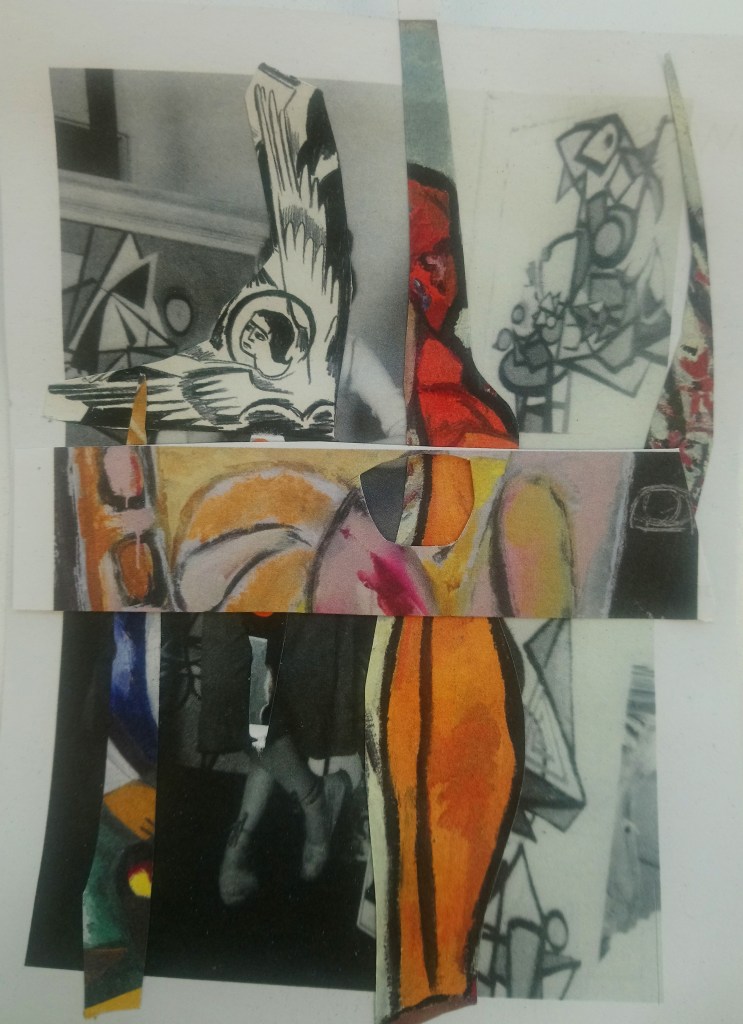
The process of this collages with Nathan photos and some other magazines I had in the studio is about using what is on my table(I want to limit the palette) from this 2D collages I will extract some shapes and i will make 3 D objects. Im looking for the interaction between the form and colour, i did this collages the first day of the Artefact project with the intention of having another perspective and to find 3D shapes on a flat paper.
Some of this images are made with some of my etchings i left on the table, i cut and reassemble again into a new image, in others i have used Nathan photos, and the last one is made with RA magazine.
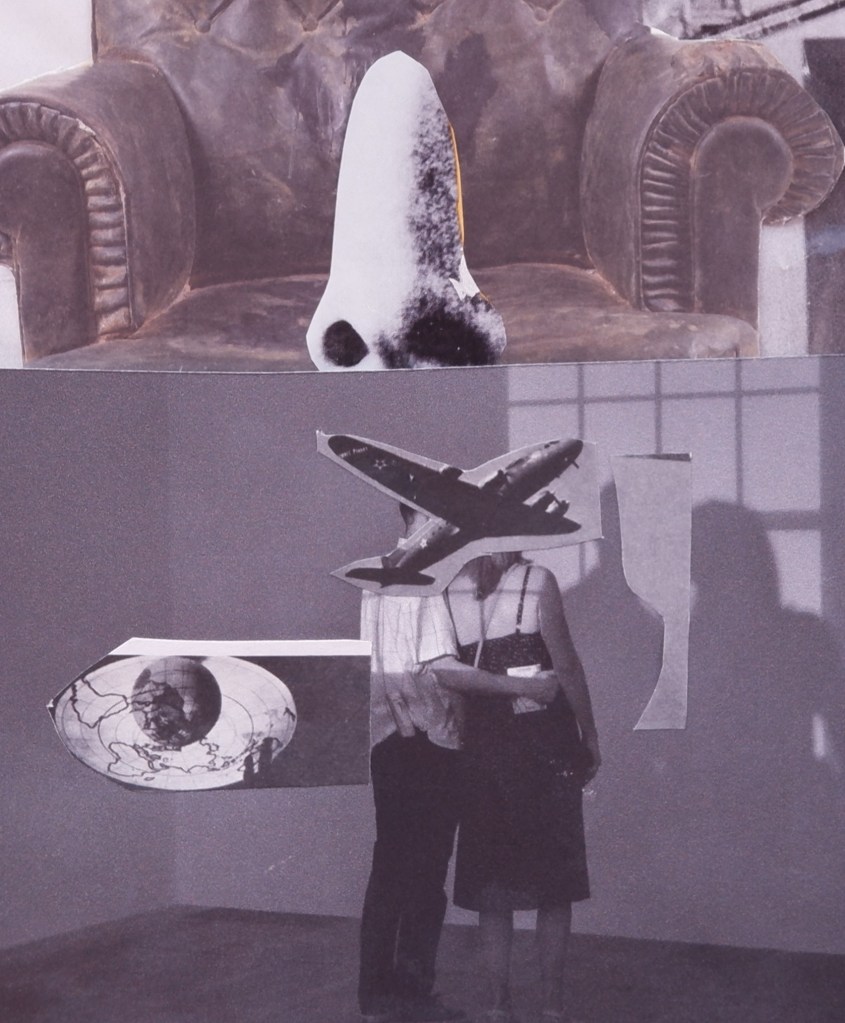
Nathan Graves Tuttle gave me a photo the
same day of the artifact project was launch, he took it at Olafur Eliasson exhibition , after
the Class, I went to the studio with Nathan photo and having in mind the artist Michael Landy with his 3d
collages ,I add some new elements and delete other of Nathan photo, I was
thinking to do a 3D collage , this was my starting point of the artifact.
Nathan photo was full of shadows and lights
and I had that leaflet of lee Krasner on my desk opened on a page with a photo
with eyes, and airplane.
For me in that occasion the airplane
symbolizes the masculinity, like In some photos of Helmut Newton the plane it
looks a phallic symbol and the woman represent the opposite energy.
I delete the shadows of Nathan´s photograph. The shadows of fiction, the eyes represent our perception.
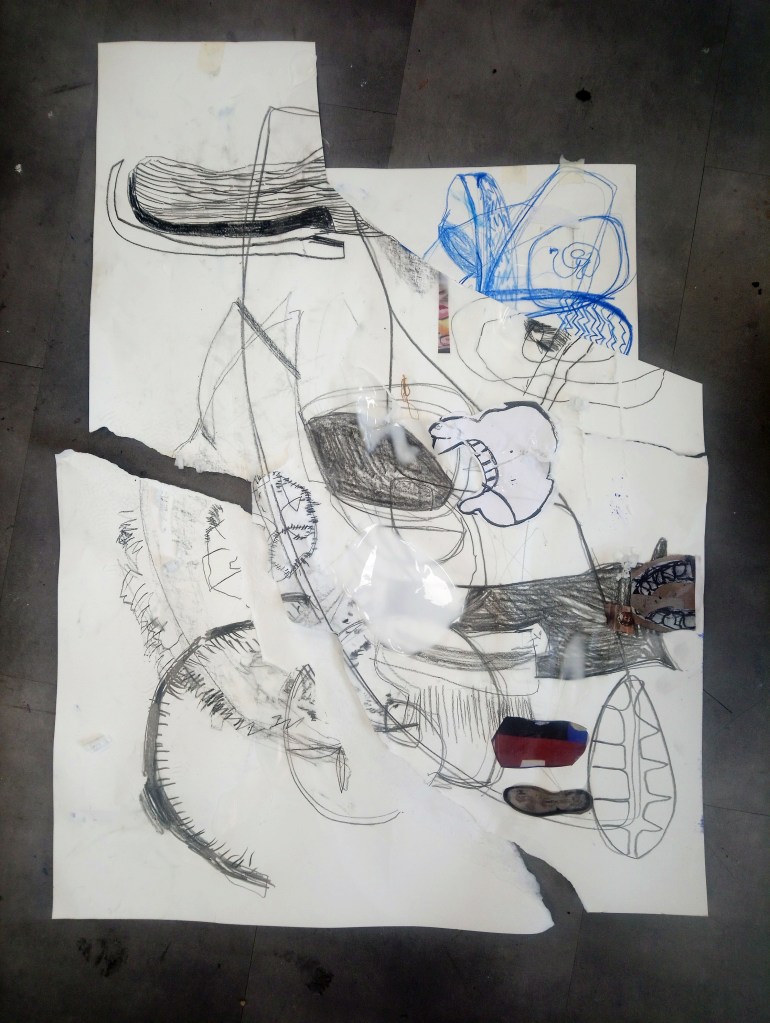
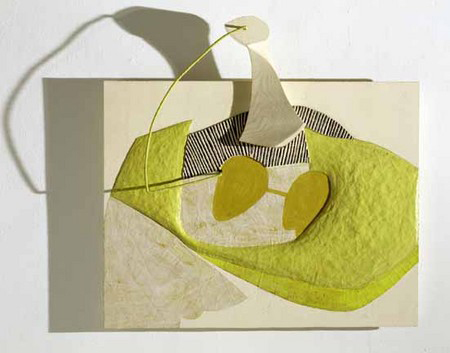
The result from the photo is a 2D collage, but the idea is to extract some shapes and make it into 3D object or installation, that’s why the artist Michael Landy is a big influence. He take some of his drawings or collages and parts of them he does installation or 2D and 3D sculptures.
I use chance most of time for the process of making art, whatever is accesible on the table is what I will use, what’s there is there,( I will not add anything else, or make a new colour or new form) I want to limited my palette ,for me is important to have a limited paled to let the chance play its role. Everything happen for a reason and if at that moment there is lee Krasner photo ,it must be for a reason, I enjoy the unpredictable ,what will happen or what I will do is there at that day, one can miss some good chances been in the mind thinking what’s next or what I will do . Sometimes I make things happen, I try to combine and balance or unbalance this process, but having in mid that a failure on the artwork can be the best can happen, if you know how to read between the lines and to see between shapes. Many of the good artworks have happened by accident. Take the chance of the accident, that’s a way ensuring not to repeating yourself in somehow.



 Luisa
Luisa 