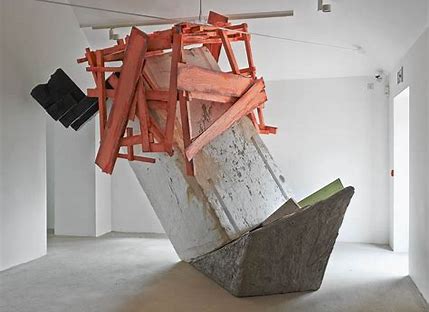
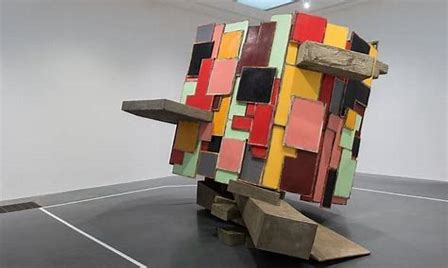
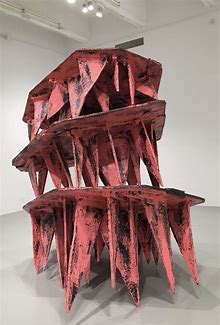
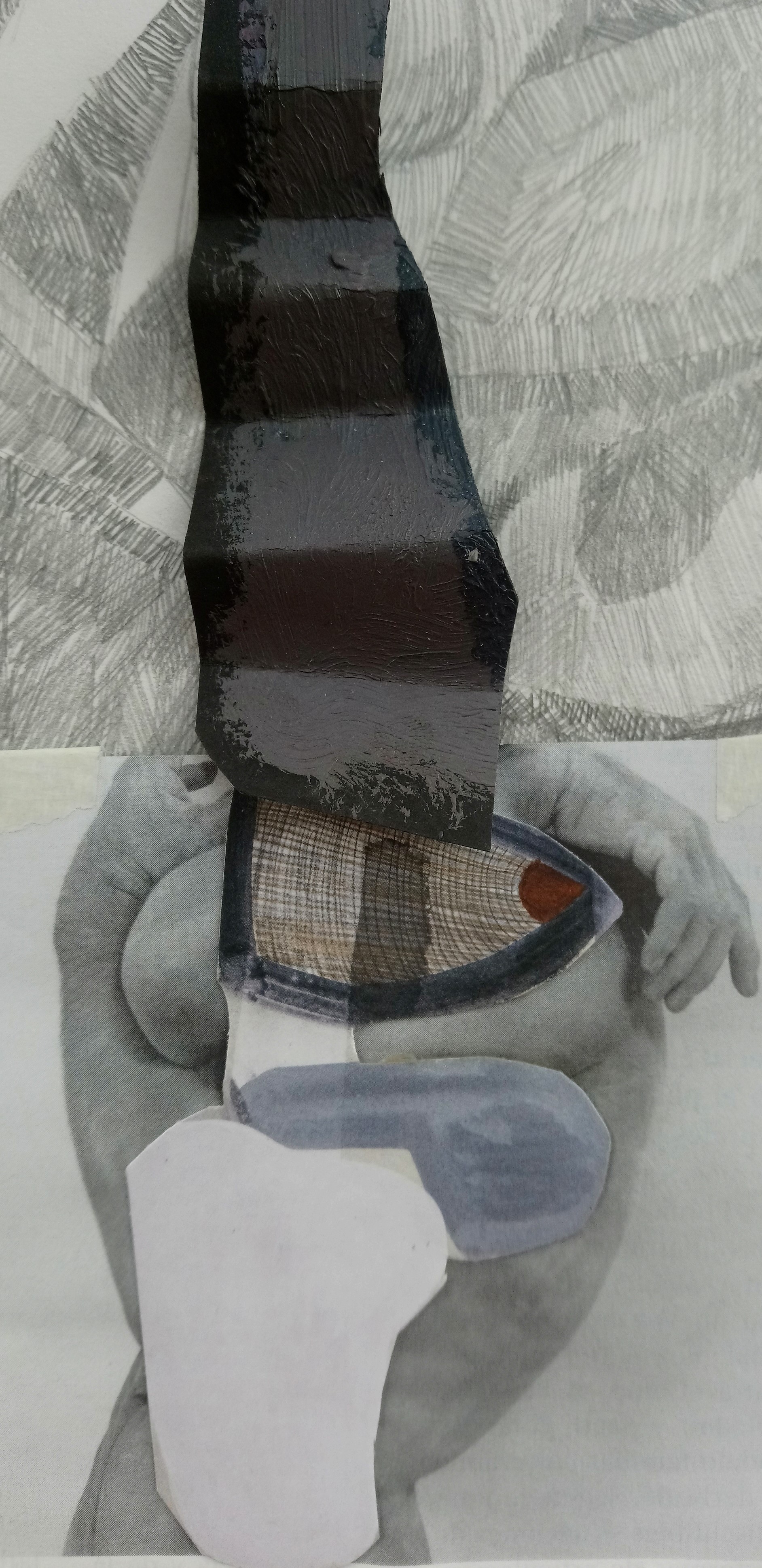
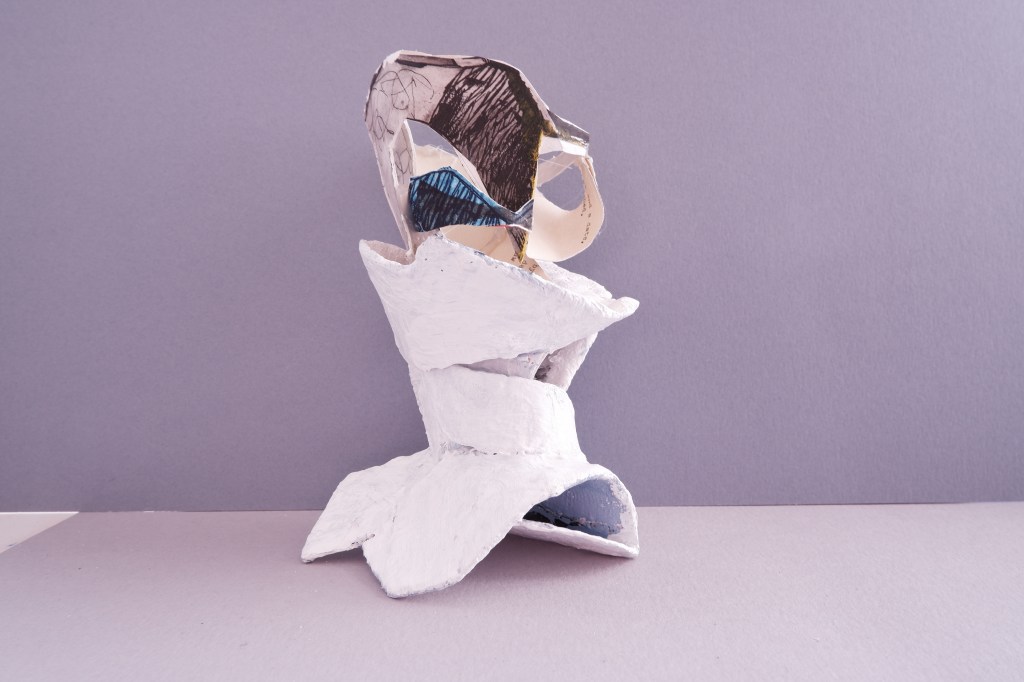
I am looking for various ways of doing compositions, using cheap materials like paper, plaster and plastic. In the research of Phyllida Barlow I read about the informalism, some of the principals of informalism as well of Phyllida are non geometric abstraction, keeping the materiality of painting away from the non figurative and figurative form, emphasizing the color and material as its subject .
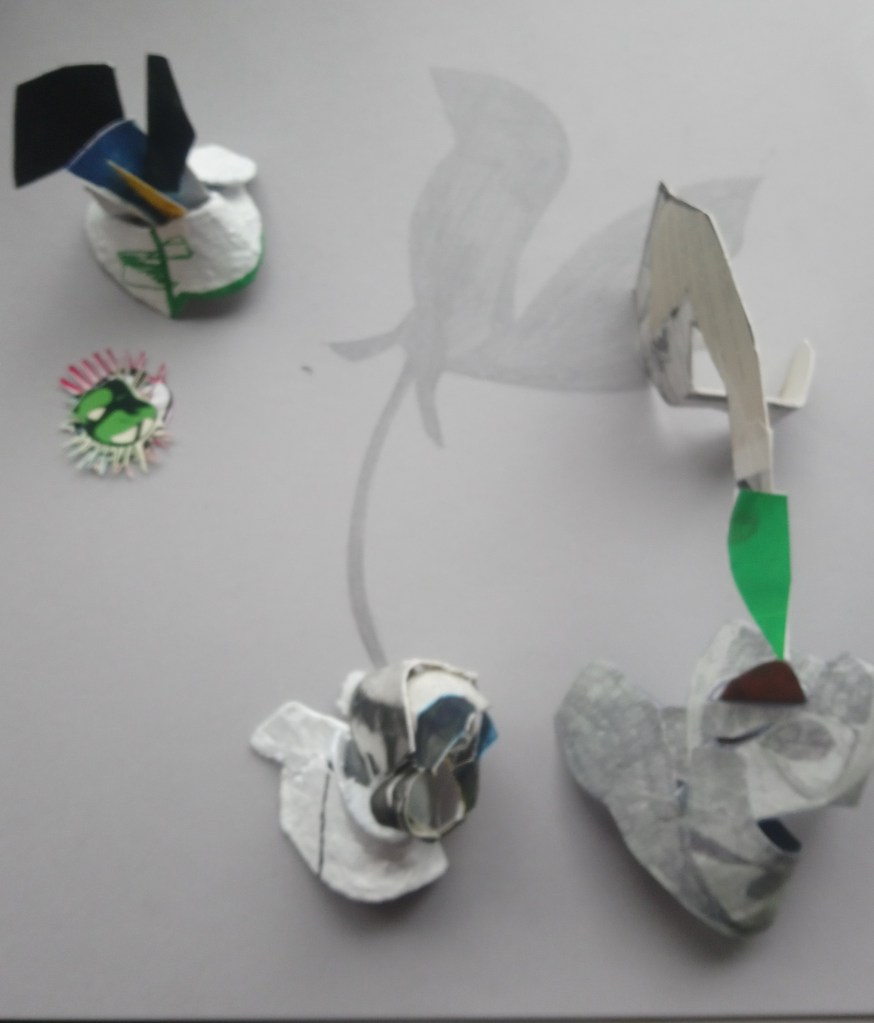
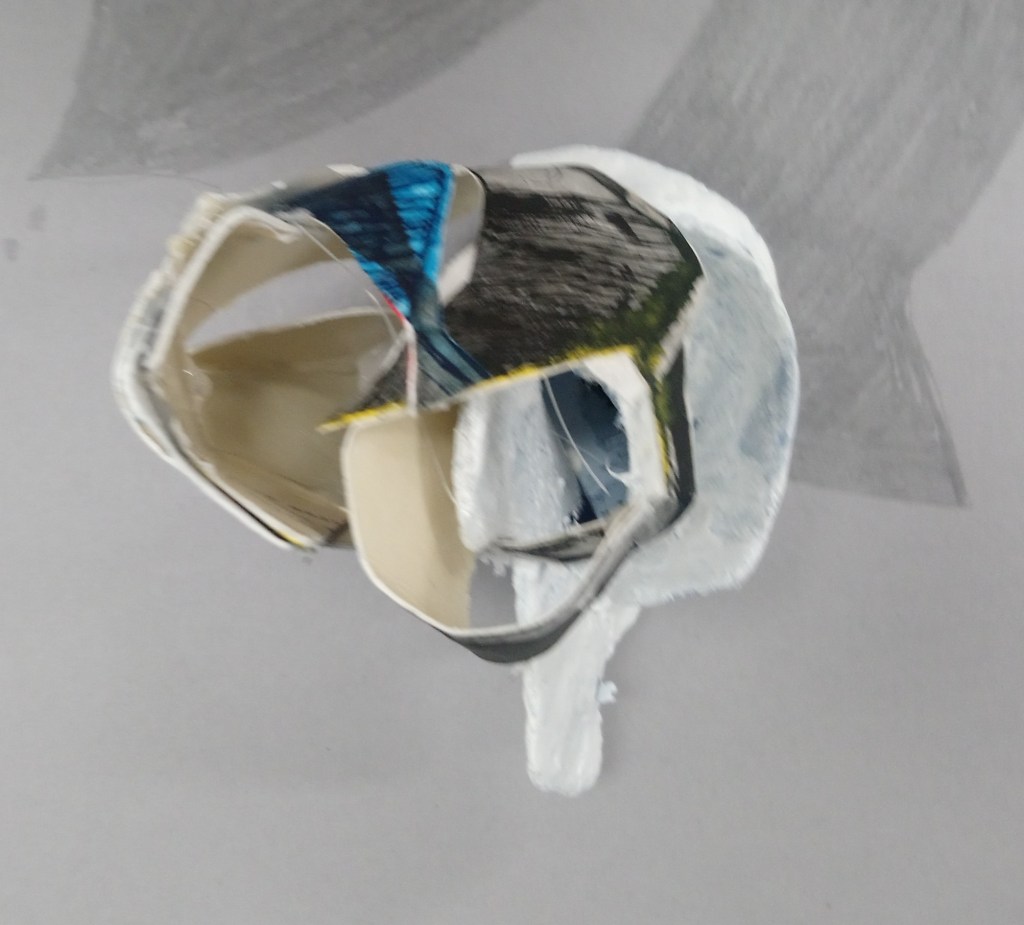
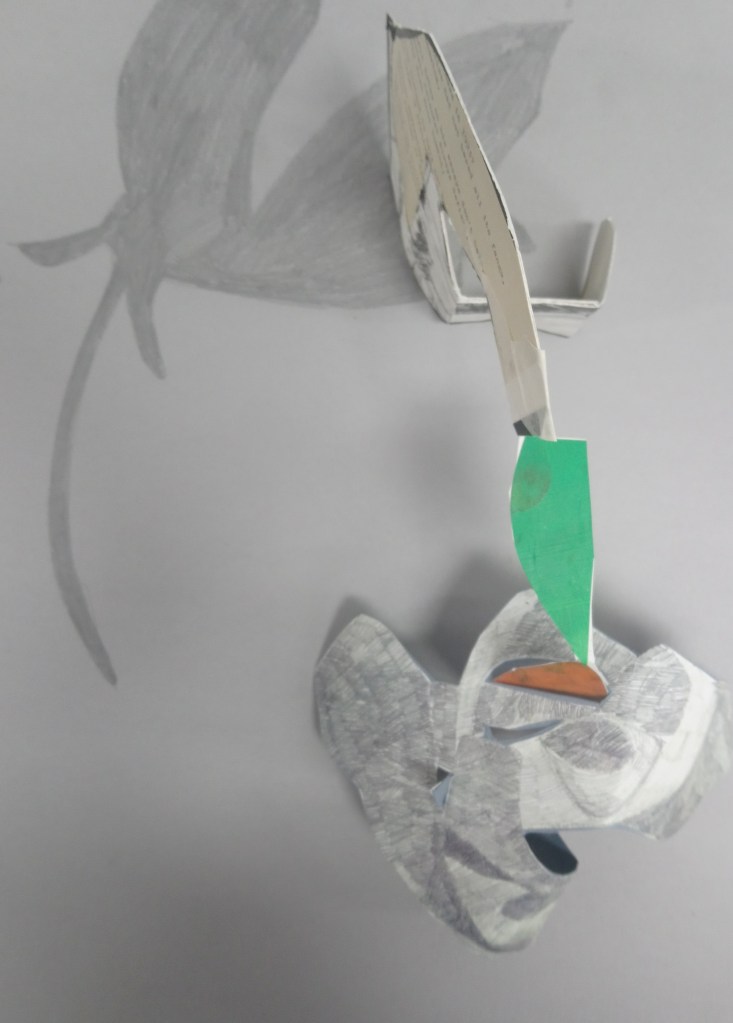
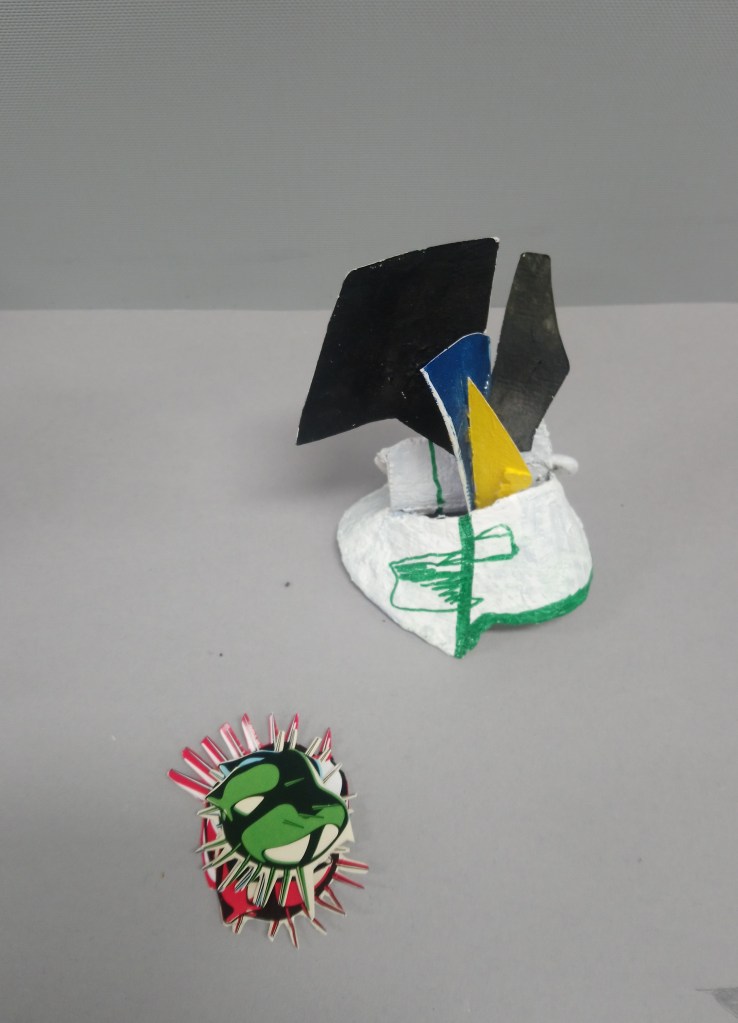
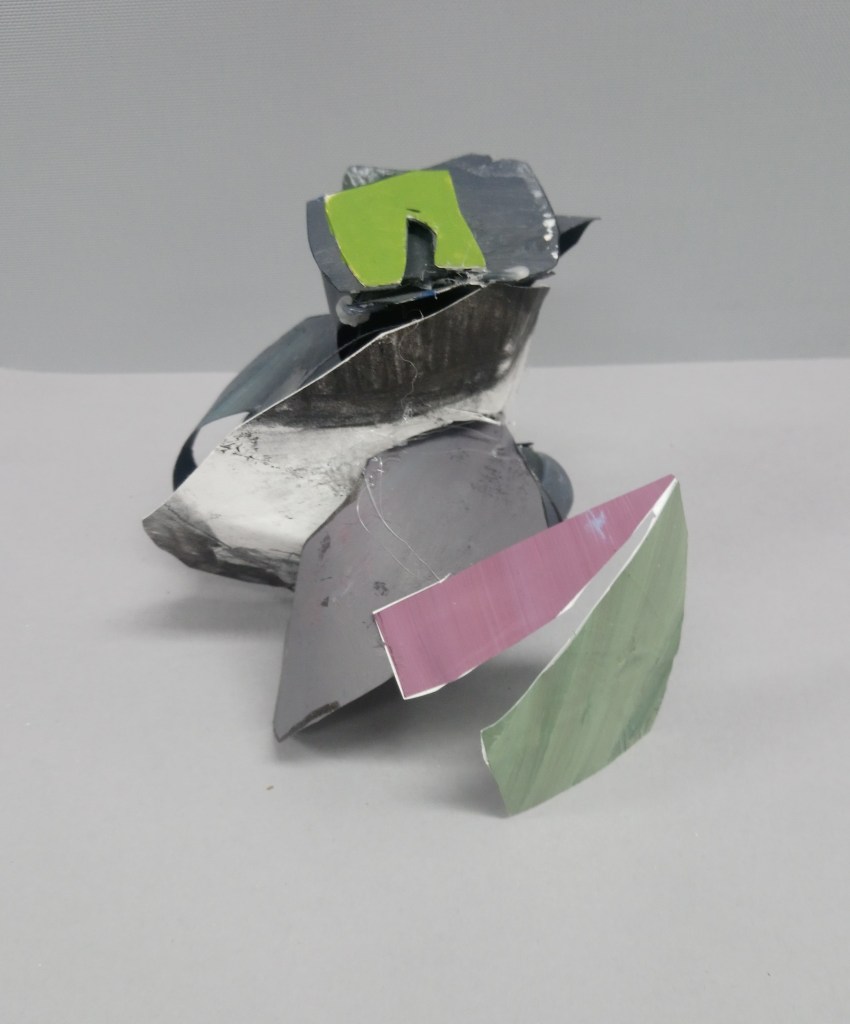
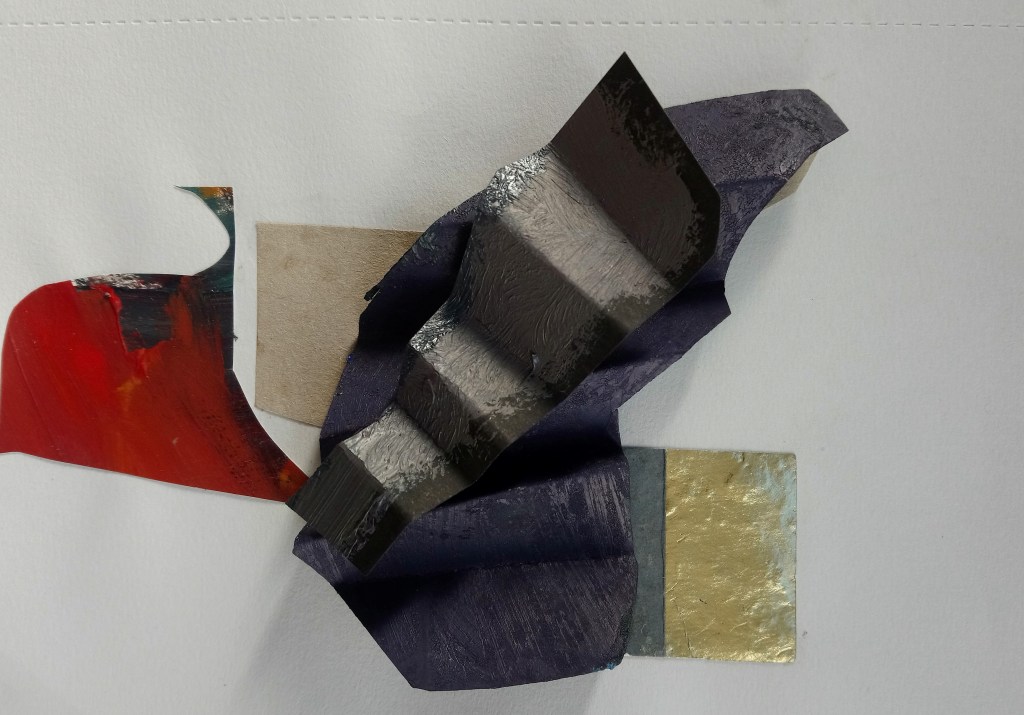
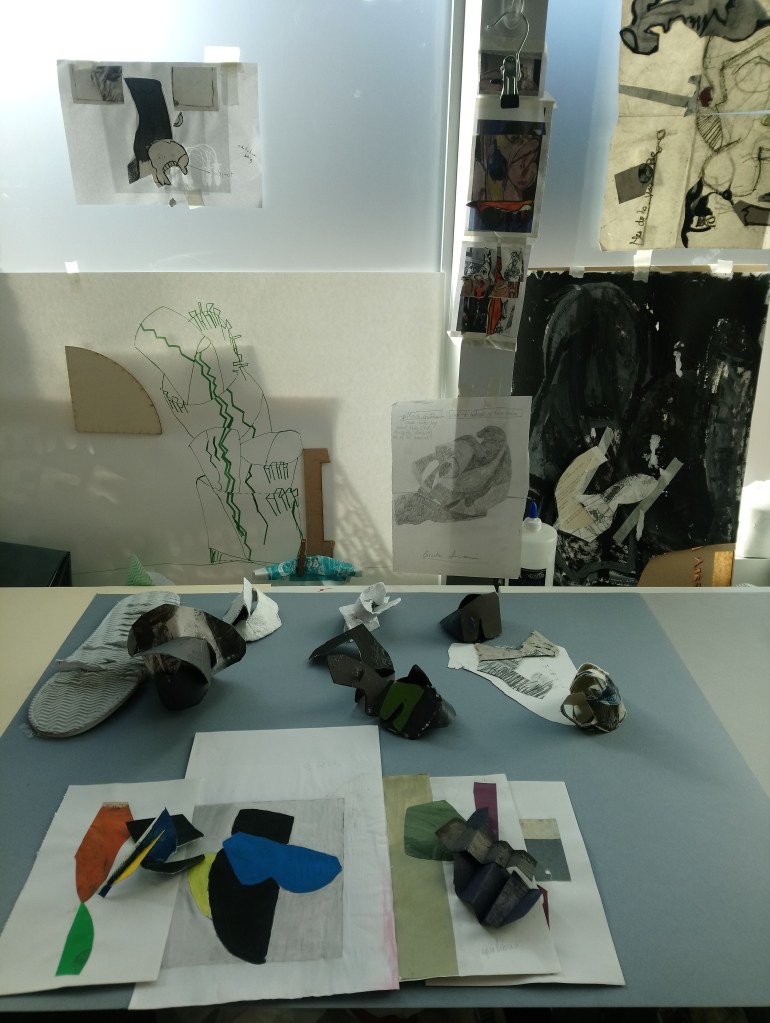
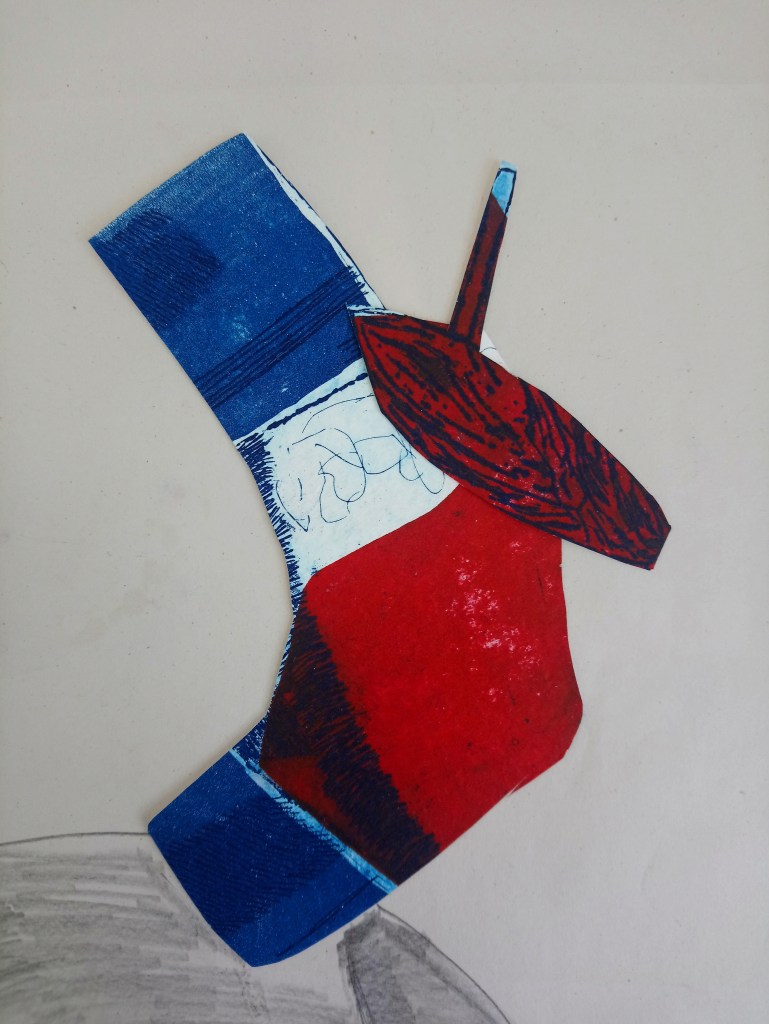
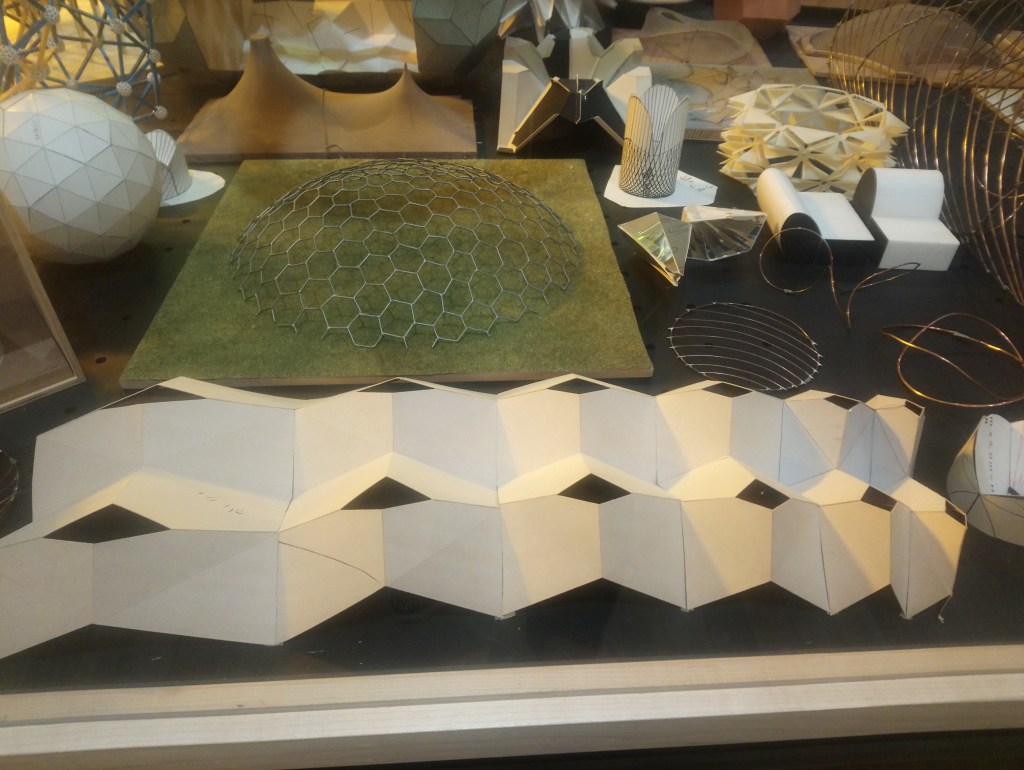
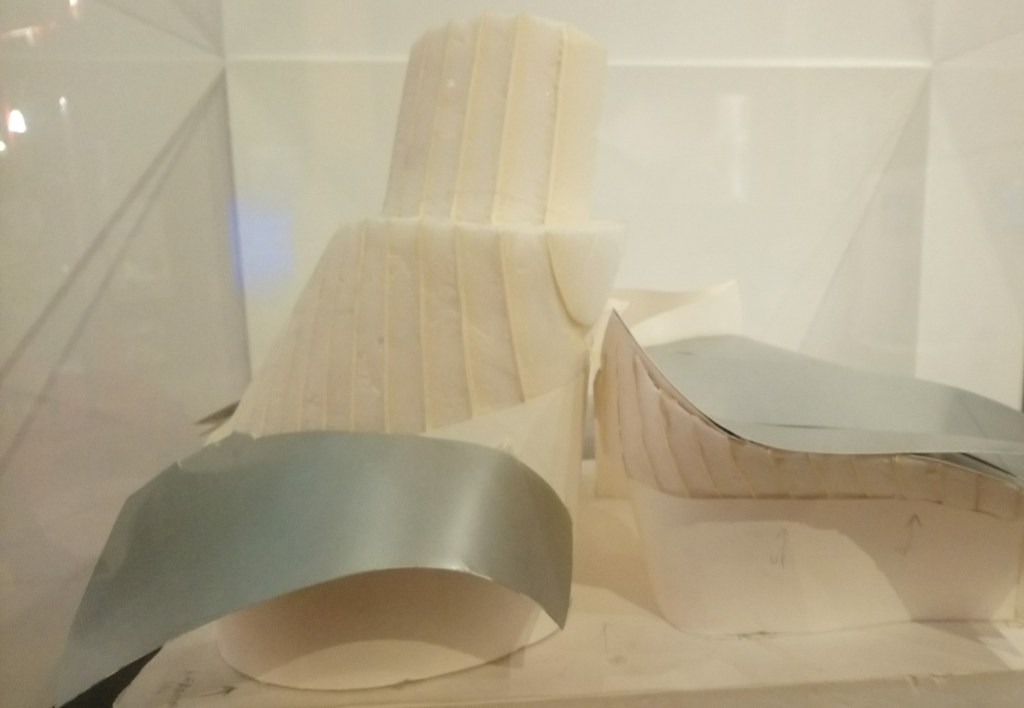
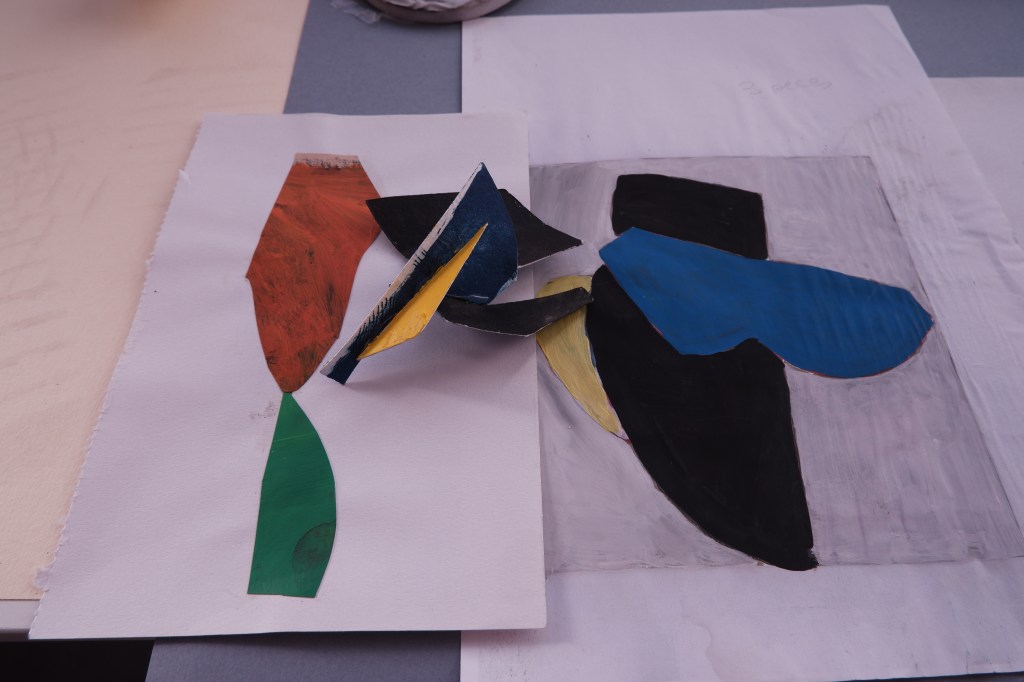
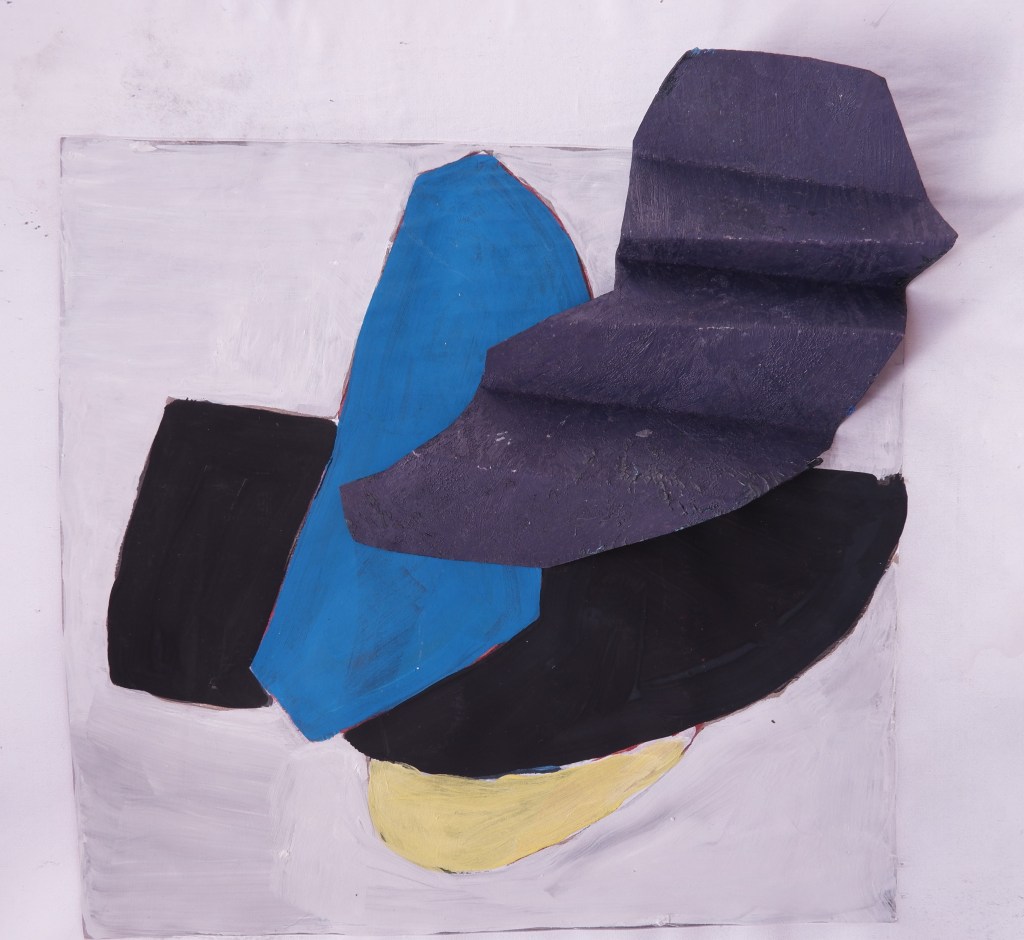
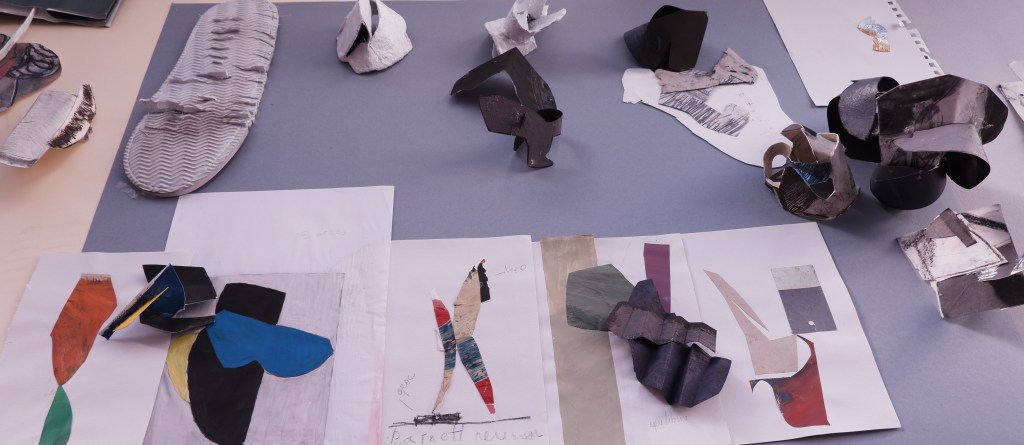
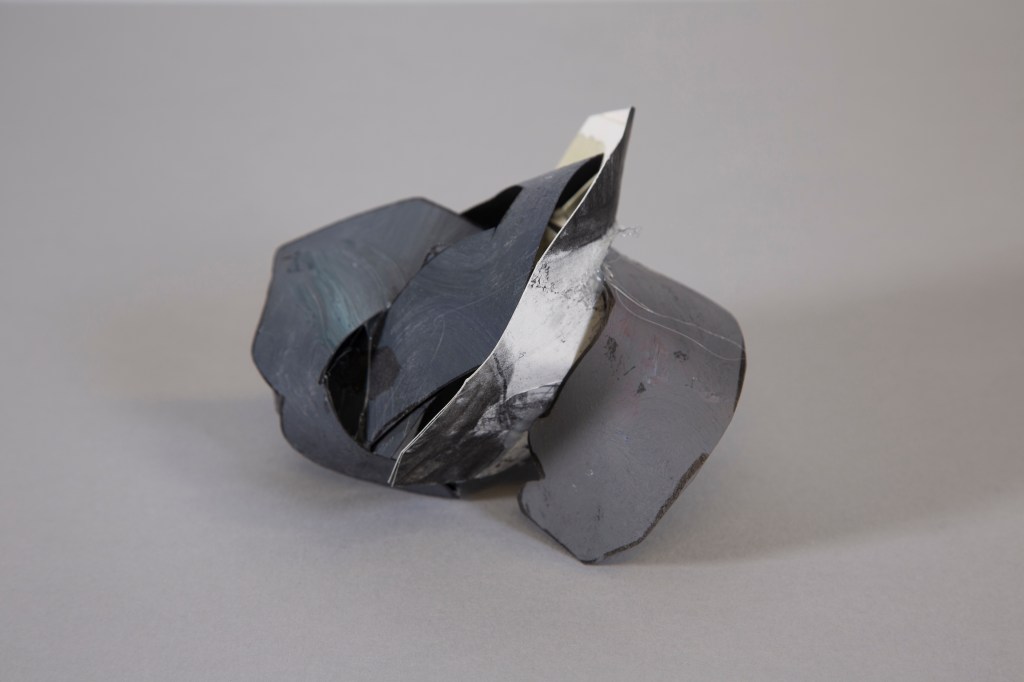
prototypes.
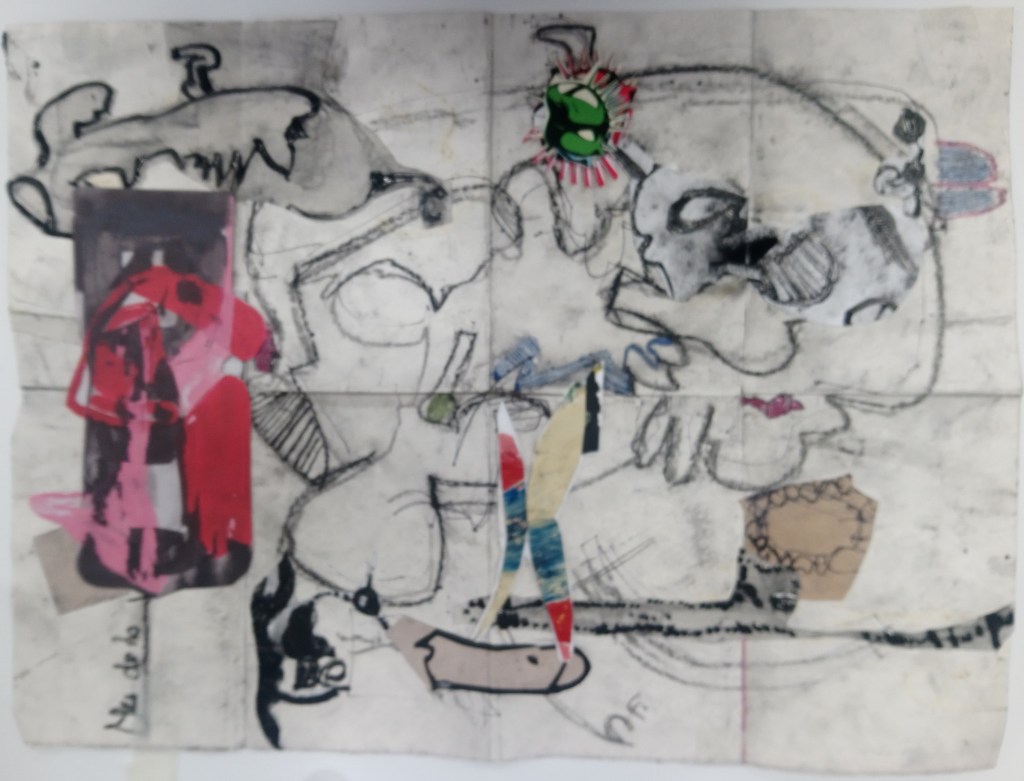
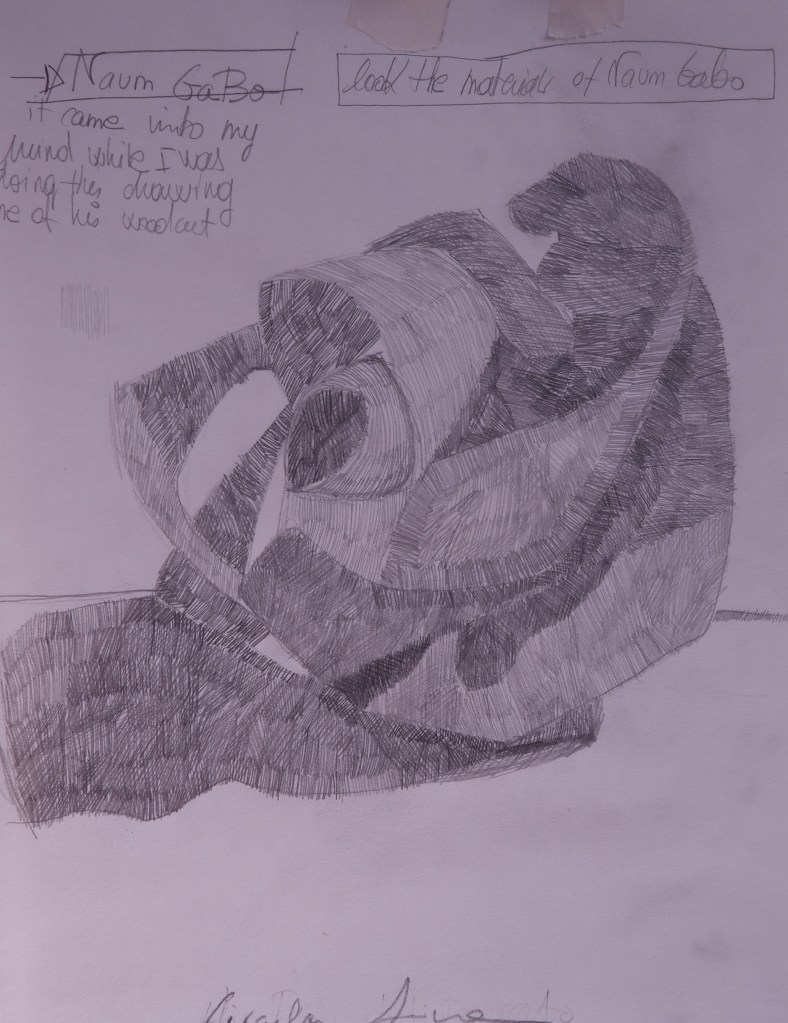
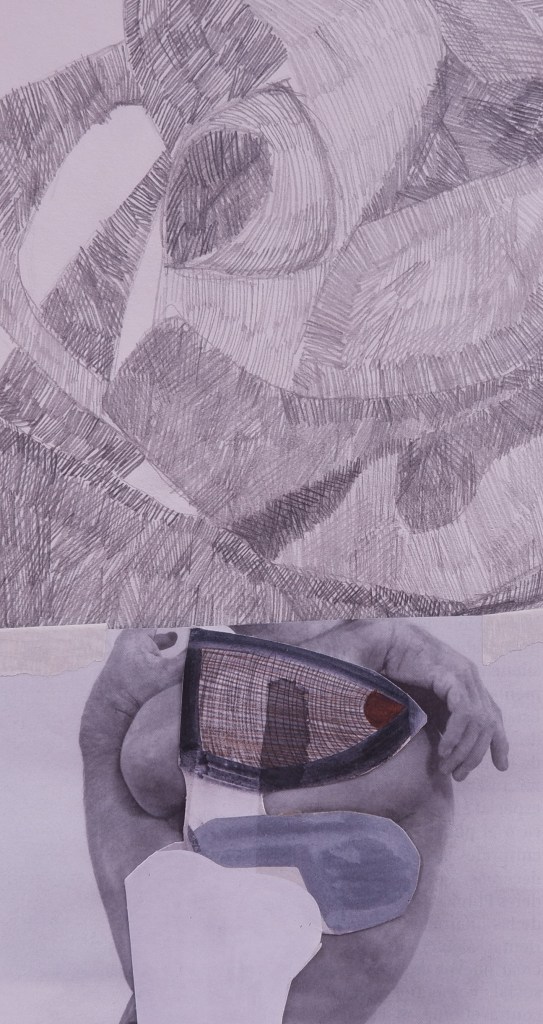
Going back and foward with some drawings.
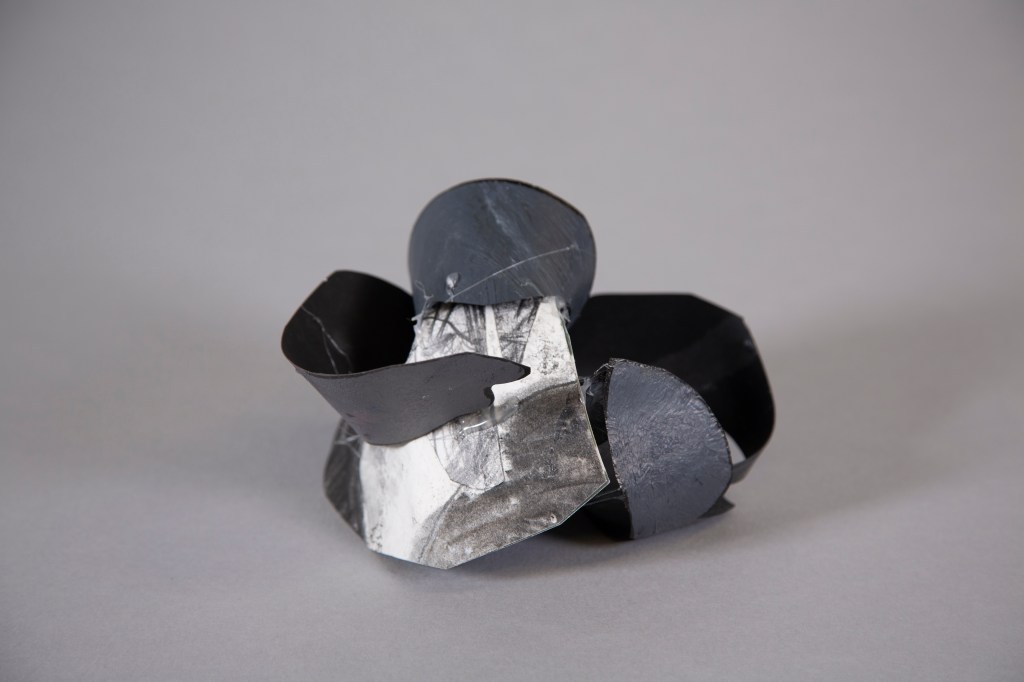
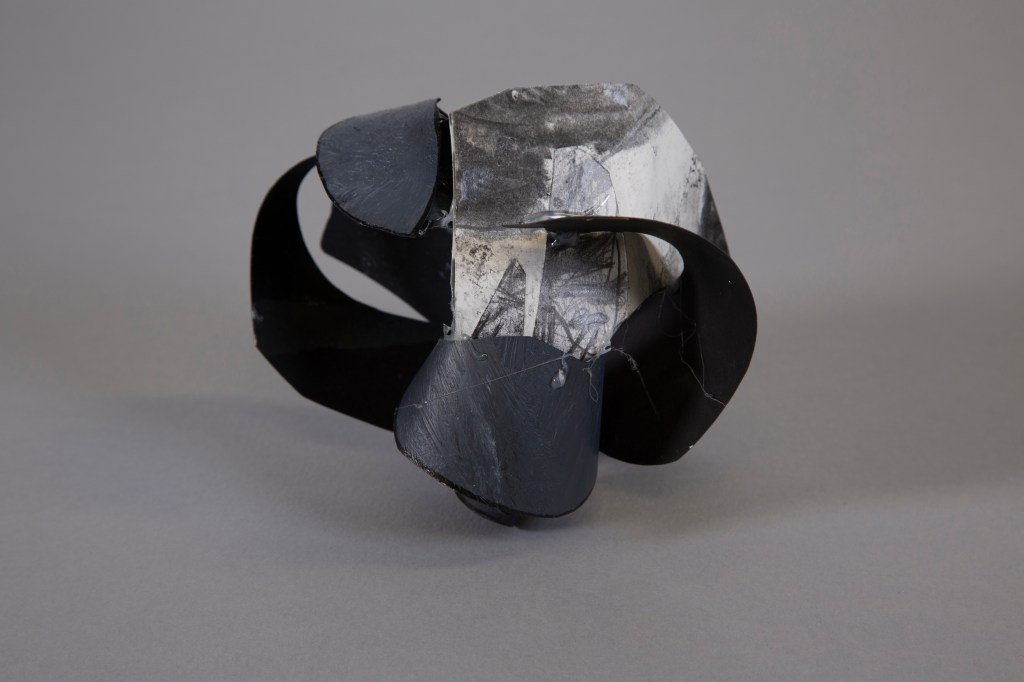
prototype for investigator Project.
SHAPES AND SHADOWS.
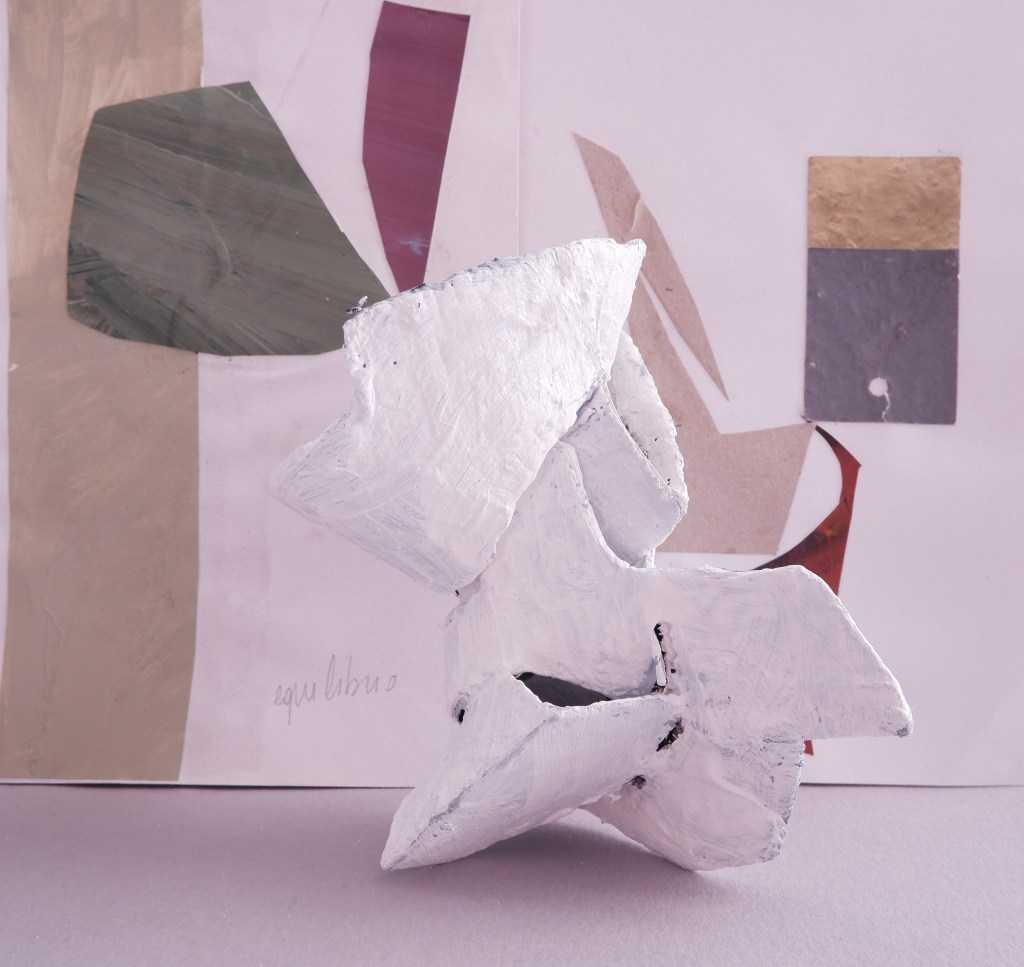
prototype for equilibrio and tensión.
This is Amy sillmans writing.
I’VE HARDLY FOUND ANY BOOKS TO READ ABOUT SHAPE. There are centuries of ideas about color, but really barely any literature on shape. My actual starting point for this show was research I did on a painter who works a lot with shape, named Prunella Clough, an English postwar abstract painter. Her work and her context were really interesting, but she was part of a whole group of artists who were swept aside with the ascendency of Pop, and artists who worked more with language and media, work that is conventionally taken to be more “radical.” Prunella was a fierce, freethinking, uncooperatively personal sort of poet-inventor, and she worked intimately with composition and shape, but those things just got labeled as really OUT, fusty stuff, so after she died, she seemed to just disappear. That made me mad. So I started looking at shape as I looked at Clough, as a structural problem. And realized there was nothing much good to read about it.
I needed the shapes to propose something: I needed tension, and skin, and subjectivity, anxiety, discomfort, crisis.
In the painting of Aberto Burry he leaves all freedom to the unexpected of the materials and to the randomness of the gesture thus refuting the matery, the drawing as well as the traditional conception of painting and its path that transform the idea into a finished work, going through the sketches. With informalism art, it is a work oen to interpretation that the viewer can read and interpret freely. breaking with the usual artistic cliches, the pictorial adventure takes a new turn, instead of starting from a sense to construct signs, the informalism artista begins by making signs and then giving them meaning. the movement focuses on the pictorial process that allows the spiritual to express itself freely an immediately.
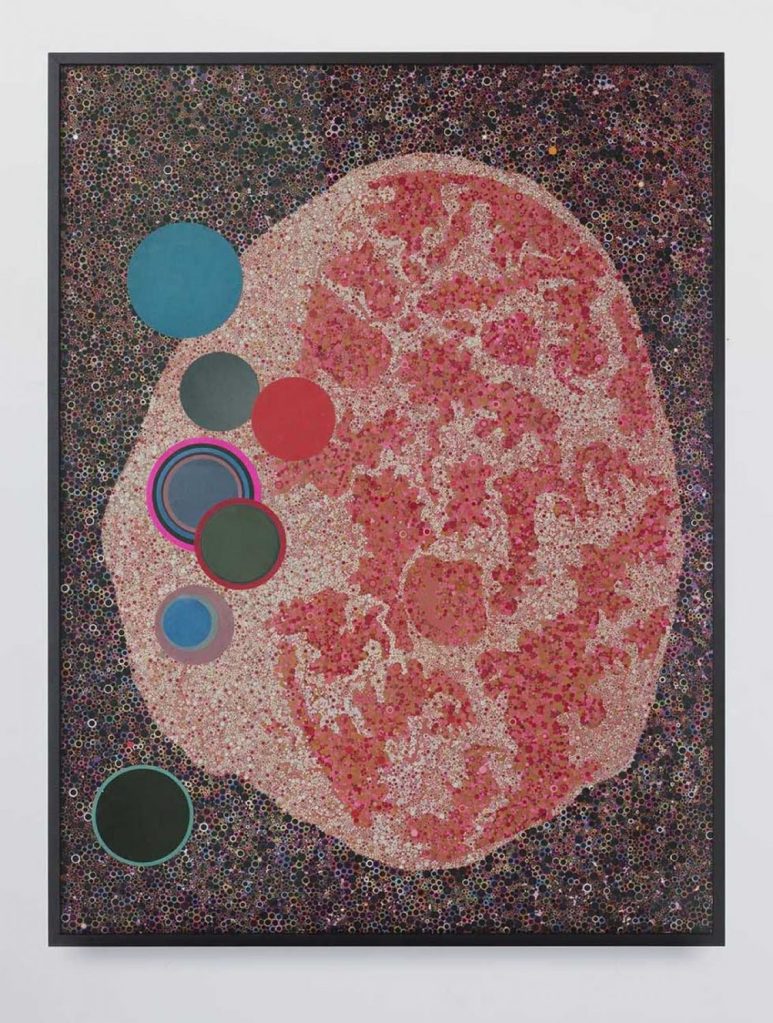
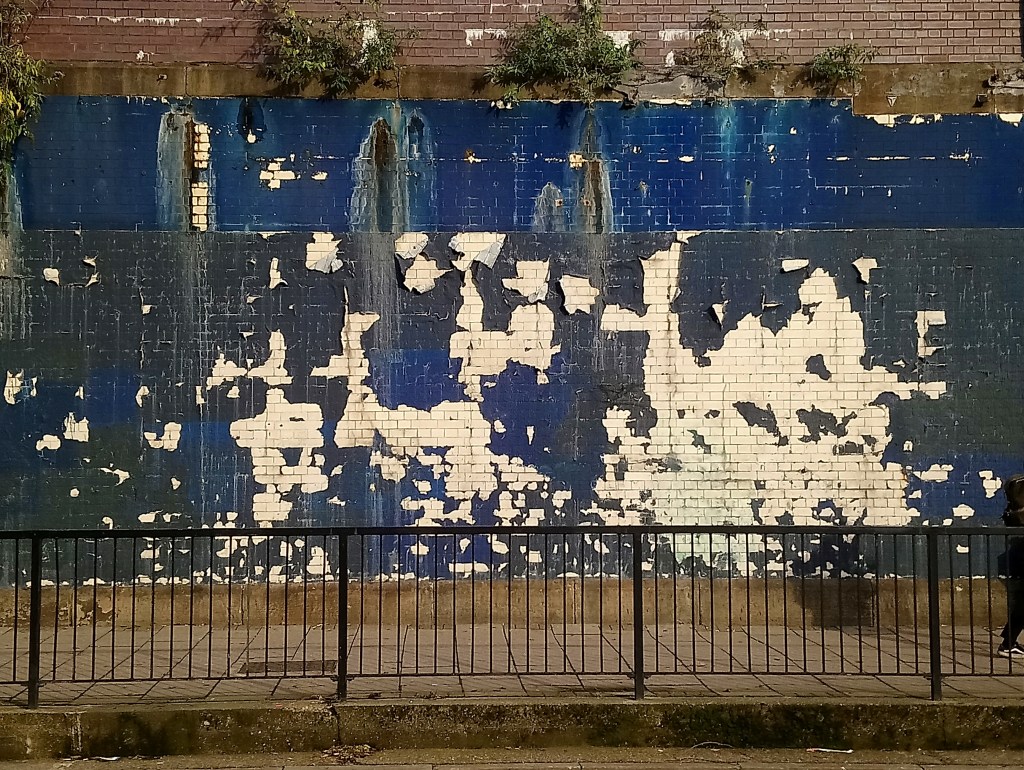
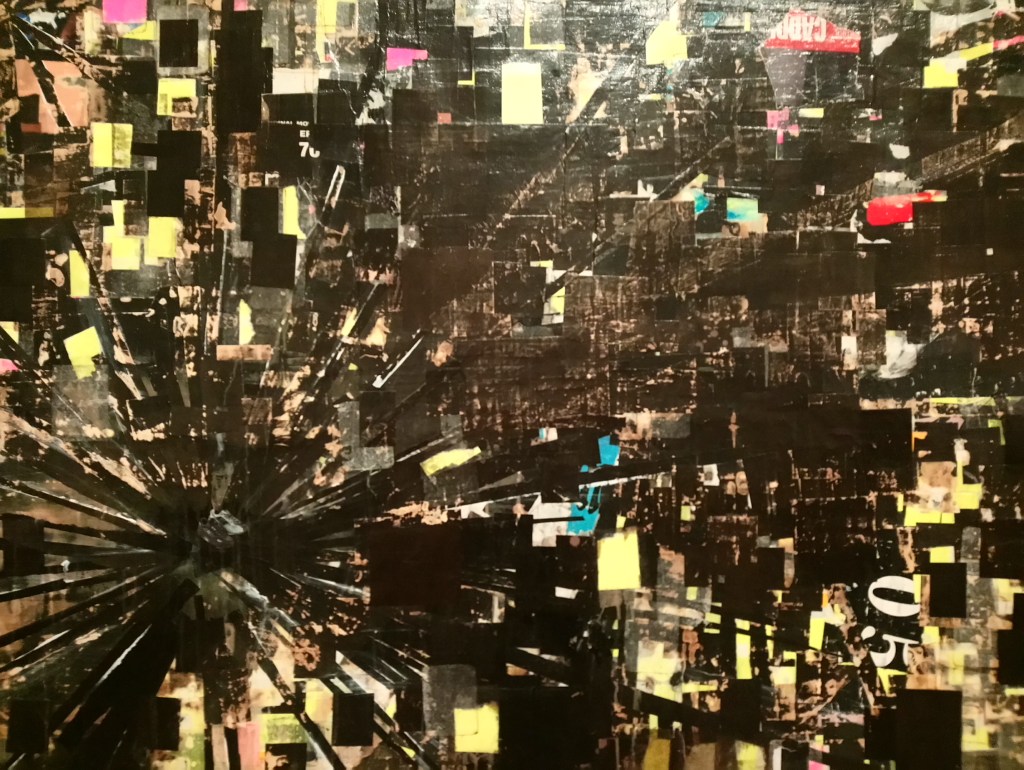
in the Street I could see some marks on a Wall similar of Mark Bradford artist.
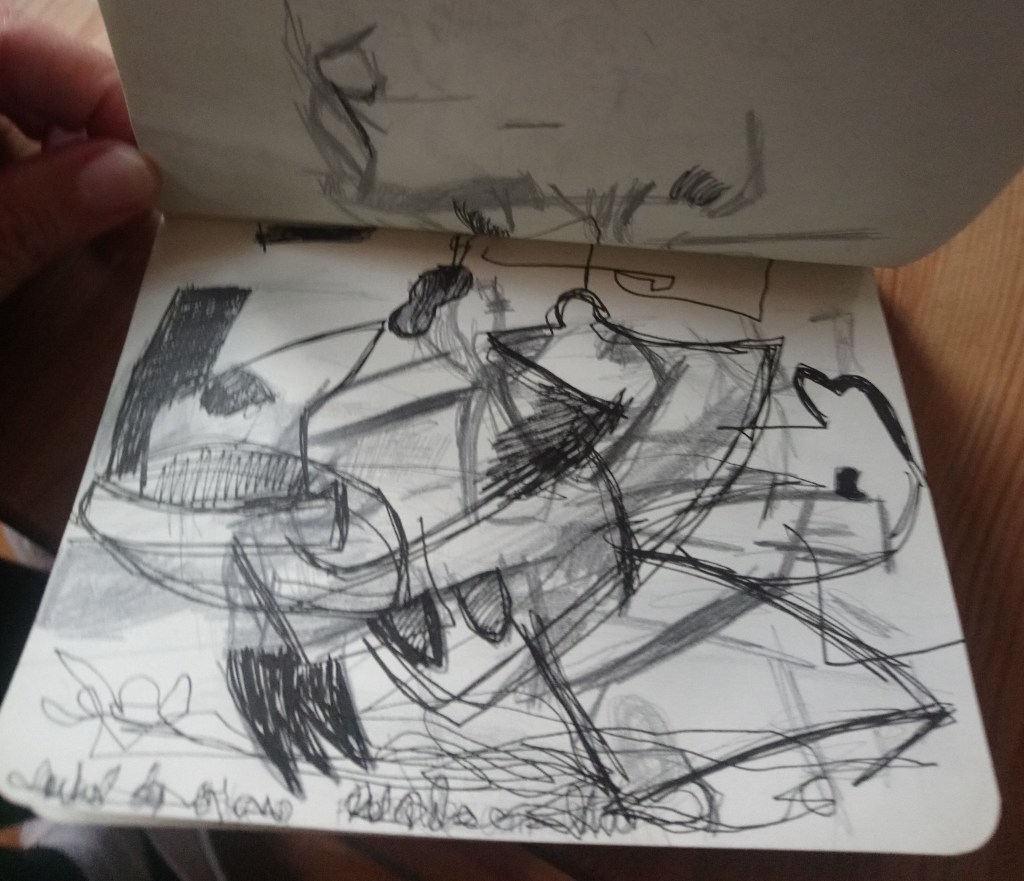
sketch. Luisa Mascaro
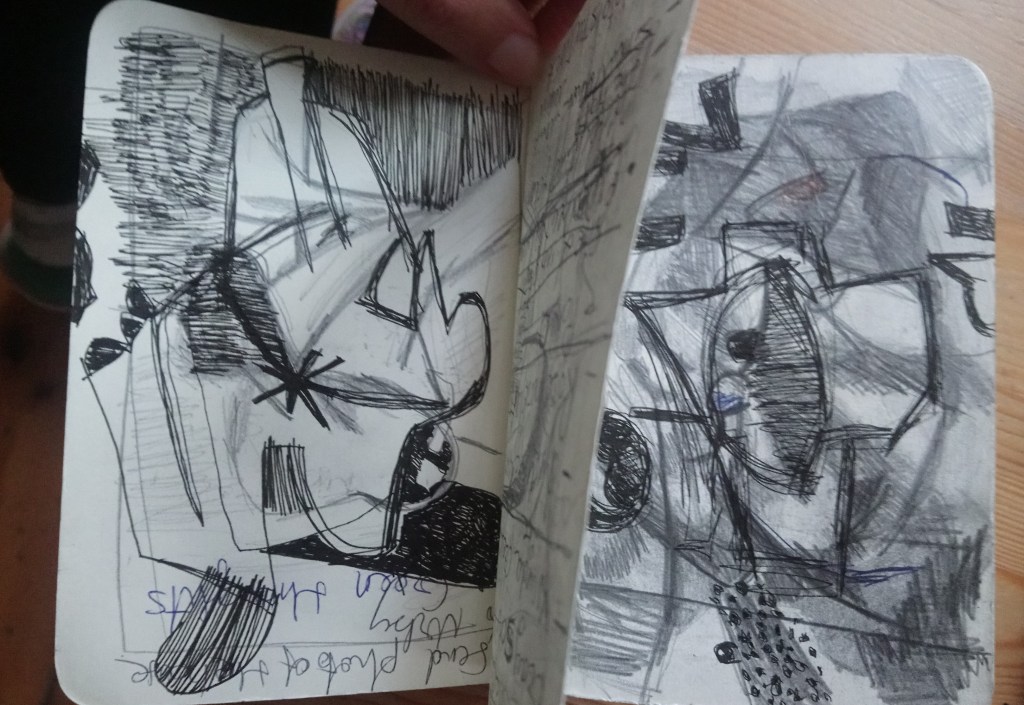
sketch
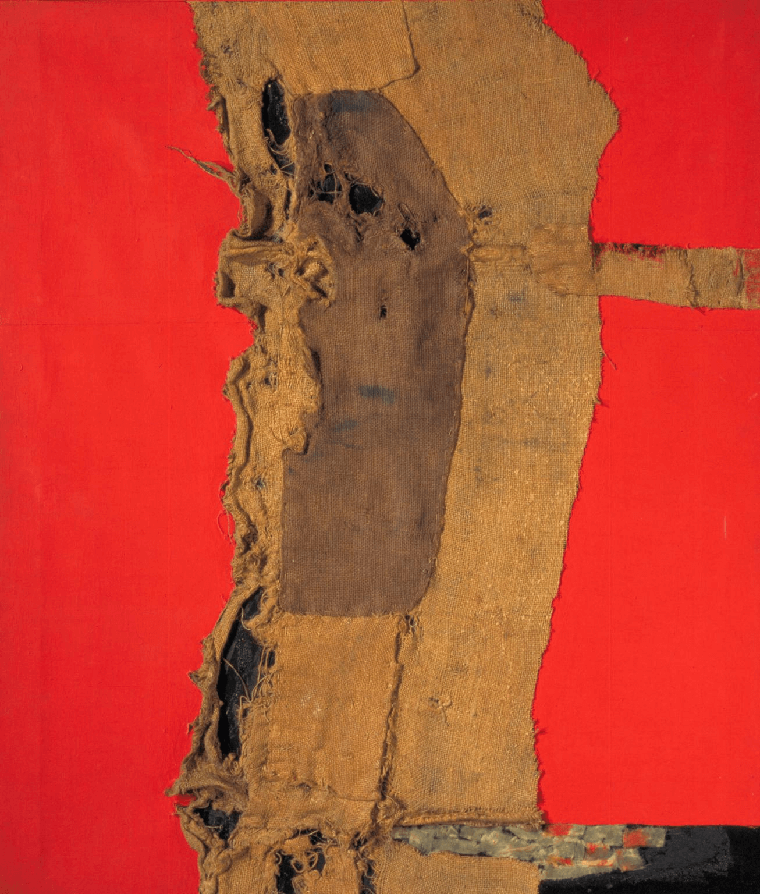
Mark Bradford.
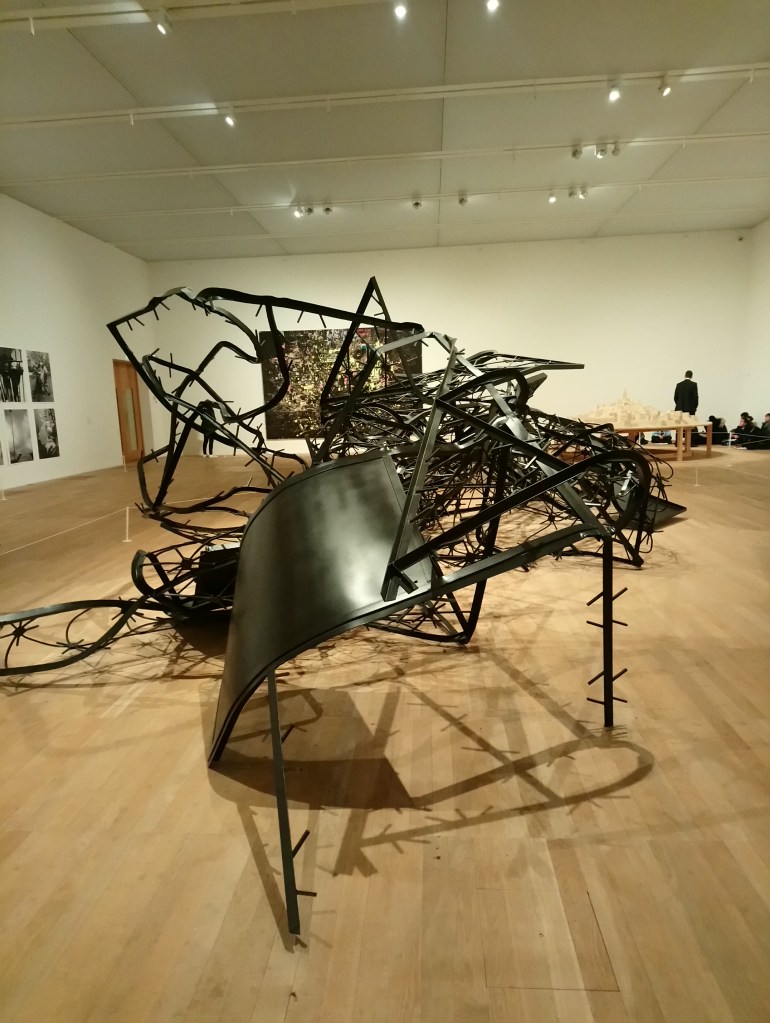
Monika Sosnowska.
The first day of the `Investigator´ project.
We went to Tate Modern and I began my journey by looking at a Mark Bradford painting, even though there is no actual painting in a Mark Bradford painting. I decided to catalogue my journey by drawing in a notebook, already full of sketches that I did 3 years ago at Tate Britain. I saw all the painters that I admire including Frank Auerbach, Ben Nicholson, Lucian Freud and Francis Bacon. I am sitting in front of a great painter at Tate Modern after a 3 year gap, using the same notebook, but this time I am creating my own interpretation of these great works as opposed to copying them as I did before. I am interested in layering different medias over different periods, and at the same time wish to stretch the boundaries of the médium. (I think taking risks allows space for new ideas to flourish, but is not essential for a ¨successful” piece of art. An example of this is Pollocks ´the dripping´, that was created by accident.)
I began to draw different shapes of Mark Bradford´s painting using a soft pencil and a pen, this was different to 3 years ago when I used a harder pencil. I drew each time period using a different pencil to give the drawing more depth, and used a different technique for each layer to créate a rich and vibrant feel. In addition to this, I added composition that was inspired by the interlocking shapes taken from works by Mark Bradford and Frank Auerbach.
These drawings can be made into 3D objects which could then be exhibited as part of an art instalation, or equally remain as a simple sketch. To make a 3D object, I will cut the paper accordingly and fold into each shape. I see this piece as an ongoing project which I can continue to make 3D objects from as I wish. This allows the piece to continually change and evolve over time, as it emerges from the page. As I sculpt each area of the page, I am guided by how I see the shapes form.
I think its important not to place too much pressure on yourself to finish a piece, if you feel the time is not right in that given moment. Sometimes it is better to leave work to one side so you can see the piece from a different perspective, and in some cases this will mean moving on to other projects. The inspiration you feel to return the piece, can drive you to create your best work.
An interesting example of this comes from the painter Miquel Barcelo, who left his painting in a studio in Africa. After some years he returned to find insects had landed on the artwork and eaten through the canvas. He decided that the marks and holes left in the canvas had finished the piece. In my new pieces for the Investigator Project, the idea of external forces playing their role in the final presentation is also apparent. In a piece I created last month, I used papers which had been weathered by the atmosphere over time, and depending on how humid the room at different times and where they had been left in the room gave each paper a special quality. This also happened to Leonardo Da Vinci who, drawing on mouldy walls, used the mould to guide and inspire how the picture would be drawn.
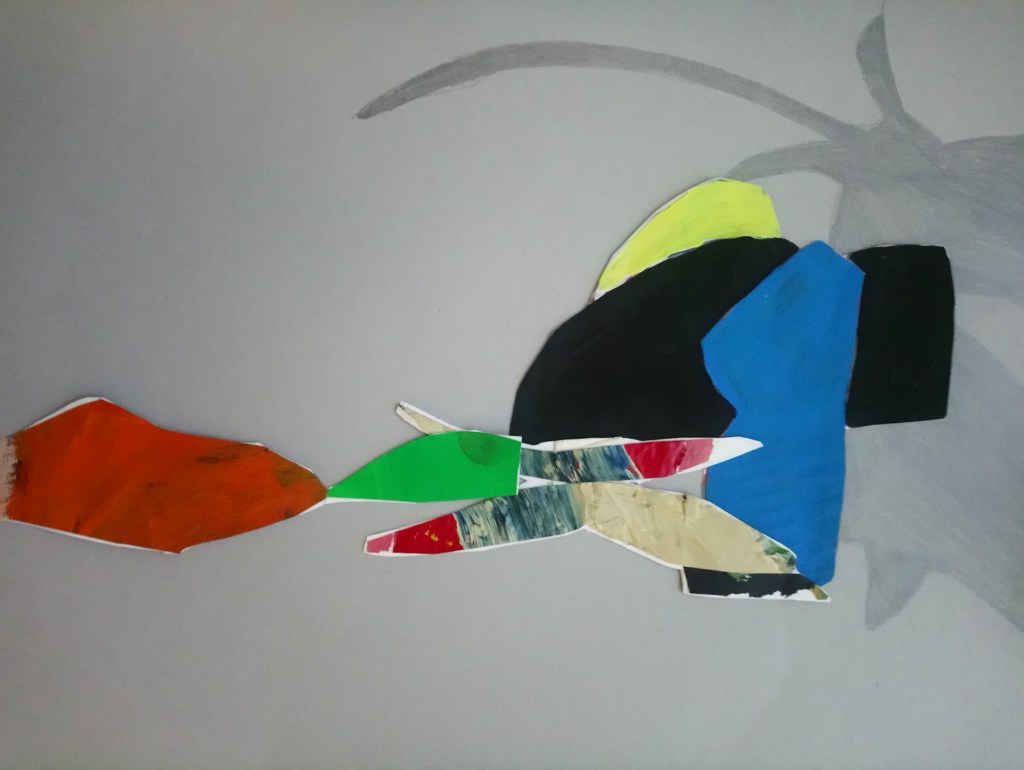
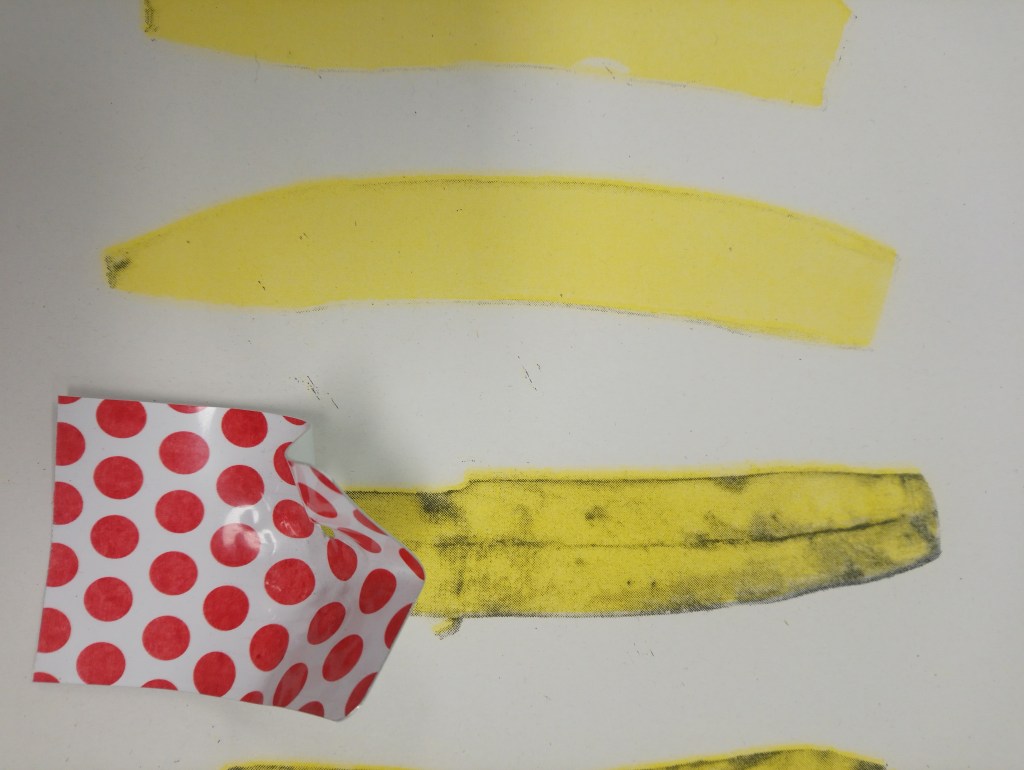
FLAT FORMS WITH
SATURATED AND UNSATURATED COLOUR WITH 3D OBJECTS.
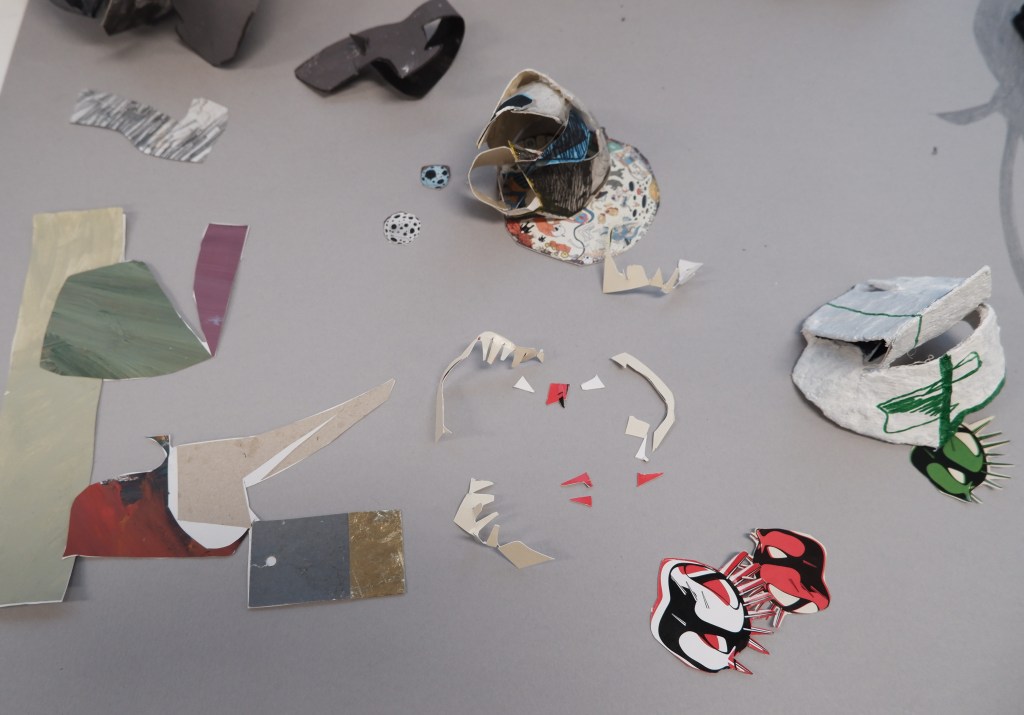
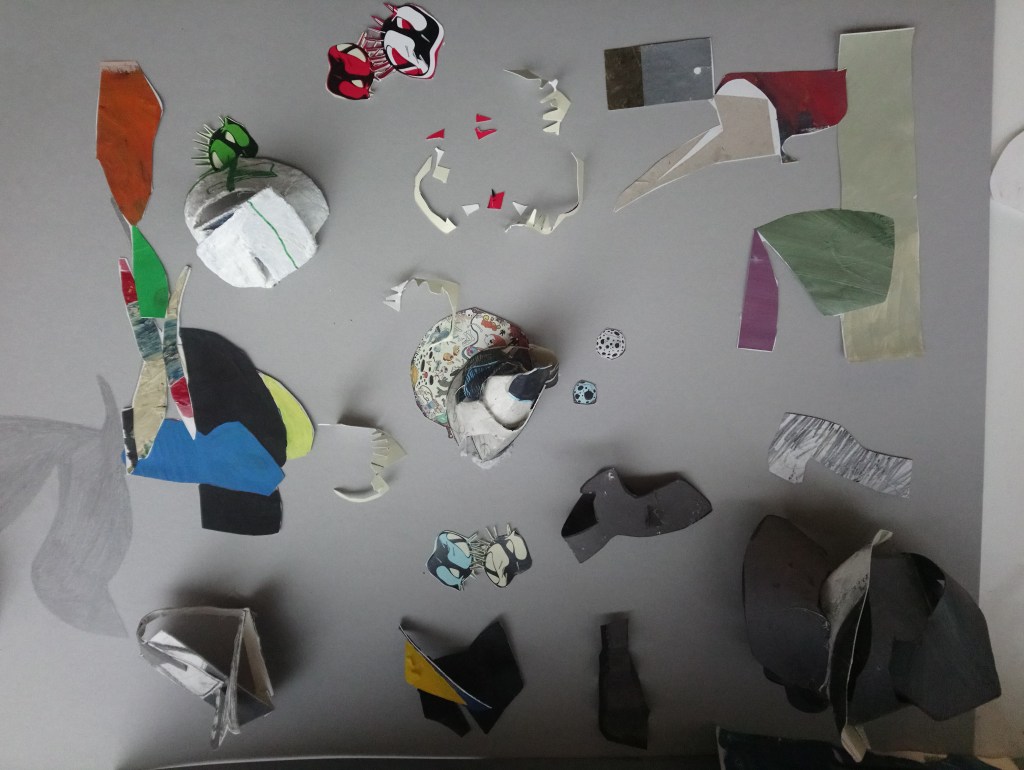
I am doing compositions with some shapes
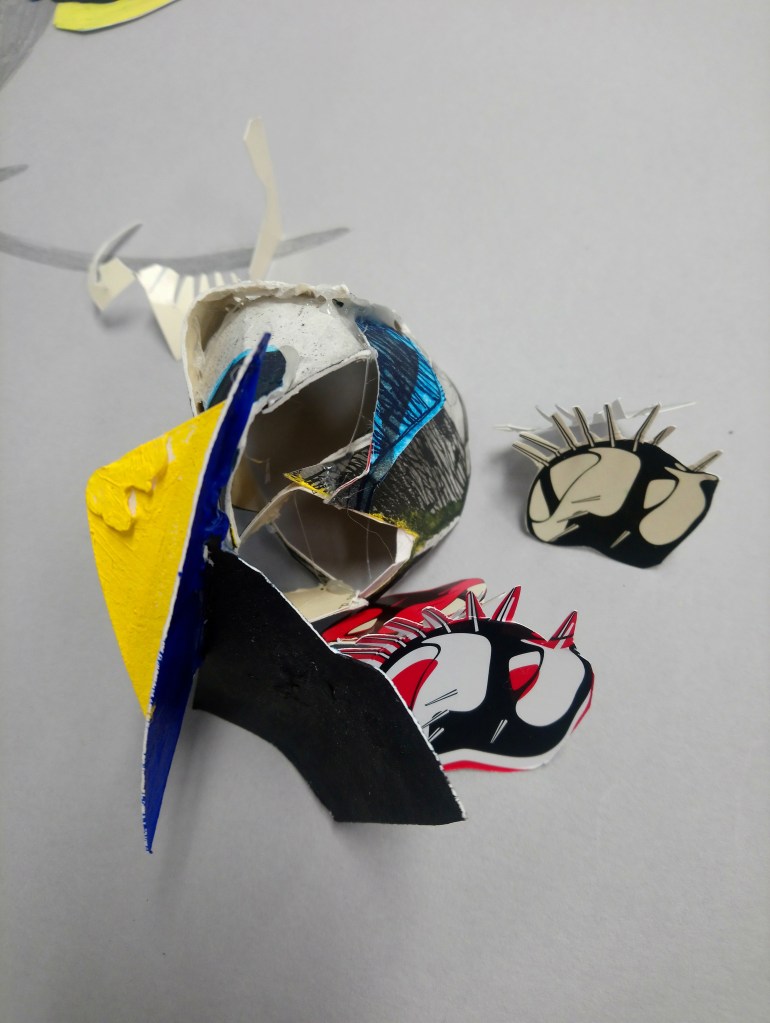
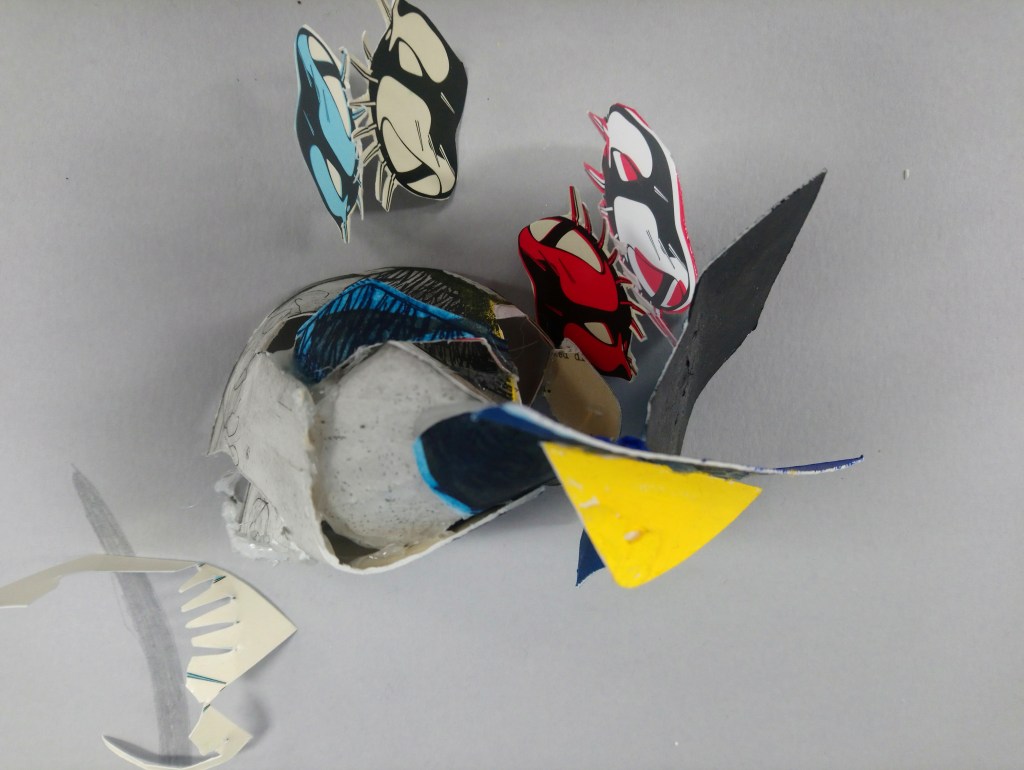
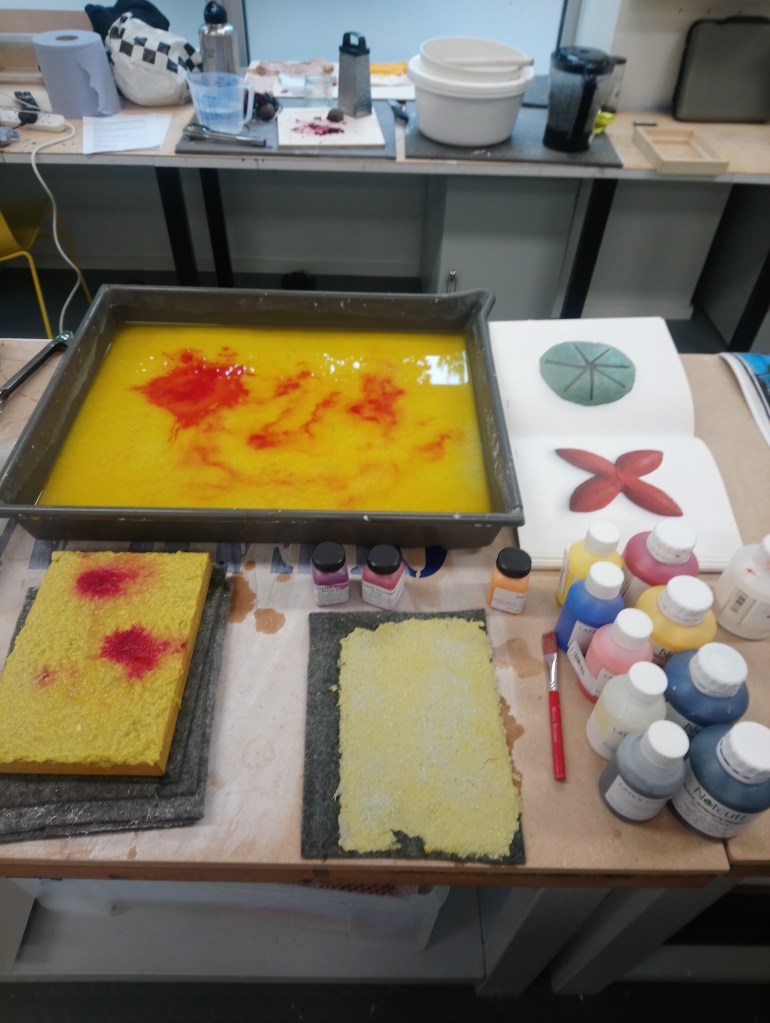
that are painted with saturated and unsaturated colours, Mixing with 3D objects made with ´damage´
etchings, material and shapes guide me what to add next to it, I am using intuition
but the intuition is defenetly sitting on
the shoulder of the knowledge even if sometimes It can be an obtical, if I
wouldn’t want any obtical I will do like Phyllida Barlow did with is objects
working on a dark room and just was making them with the feeling of the taugh.
Two saturated with same tone colours have a
more powefull interation than a different tone and one saturated and the other
disaturated .
Some of the shapes on paper I found in the
streets( that grabs my attention are
ready made shapes)others I cut them from old papers or from discarded (damage)
etchings. I found one fabulous paper with gold and green on the floor in the
street , and is a bit damage, that makes the paper more alive. Actually Julian
told me today that the 3D objects and the flat shapes looks a bit damage from
the weather, and I thought about the mod and insects of the studio in Africa of
Miquel Barcelo, im interested the weather play his role, also my marks and
smages ,or layers of colours on the paper left behind,bring them to the present
and do a new collage with them.
In the last project of Artefact I didn’t
mixt flat papers with 3d object. After been at tate modern with my mates of RCA
I saw an installation of Irina Nakthona and I decide that the compositions I am doing could go inside a room not as an
sculpture or object ,but as an installation.
Kurt Schwitter and William kentridge also
are some of the artist which influence me in this project.
Kurt Schwitter for the introduction of
having 3D shapes been part of a room not
separate of the room, a respond of the space.
And William kentridge for the animations,
projections.
Interation of colour, form and introducing
music.
Kandisky said each form has a sound as well
each colour. Saturated color are activating each other doesn’t matter the tone
but it matters that has to be the same tone if you want the hight interation.(projections
of colours and colours and shapes with materials, each projection has a note of
music, Rothko with his layers of different tones and colours and with the sound
you see how the colour is changing, each of his painting has a different sound,
sound is a bit influence in our mind, probably it goes direct to the heart
ignoring the mind as well all other senses)we can manipulate feelings how we want.
Thoughts follow the view and the way round. An installation,painting or sculpture can makes you and inversion of thought and the way
round also. Or maybe is an inversion of the
heart?
Olafur shows in some of his art works
different perspectives and perceptions at the
same time. All is about our mind, we can guide it or it can guide as.
I admire Anthony
Caro he was influenced by American Abstract artist of the same generation. His
work enacts the movement from figurative to non figurative abstraction which
characterizes British sculpture of the 1950-60 he abandoned the anthropomorphic
motifs of his early work in favor of dynamic. Expressionistic assemblages of
steel and other materials, he was doing a lot of assemblages with different
materials, One of Caro´s most innovative technical maneuvers was to integrate
the spaces and surfaces around the sculpture into the work itself, removing his
works from the plinth.
Henry Moore
and Barbara Hepworth they move from figurative to non figurative. Modern art at
that time was divided between surrealist and purely abstract artist and a
fusion between this opposites movement.
The idea of
cohexistance in the coherent whole project. Ivestigator.
In the
investigator project the idea is to introduce sound, and invite the people to
interact with the shapes , my idea maybe is to have a panel with different
shapes and colours, each shape Will have a sound if the public touch it, they
can create they own composition with sound. the sound Will be related with
different countries and religions, and the idea is to explore if public can be
in the middle of the sounds exploring feelings and perceptions.
ANOTHER POSSIBILITY FOR AN INSTALATION.
The installation I am creating with 3D object and flat shapes are discarded etchings and old papers, sometimes wastes of the city and already made object all are ensemble them.
Transformation of objects already present in our environment.
Investigate how I could develop wearable objects by decomposing and reassembling materials that are already in circulation. It inspires me to investigate ways to break down gathered waste materials by drilling ,smashing ,sandblasting, cutting, fragmenting, slicing, and piercing and to explore strategies for re-assembling these materials into new forms (using repeated actions such as folding,threading and knotting)
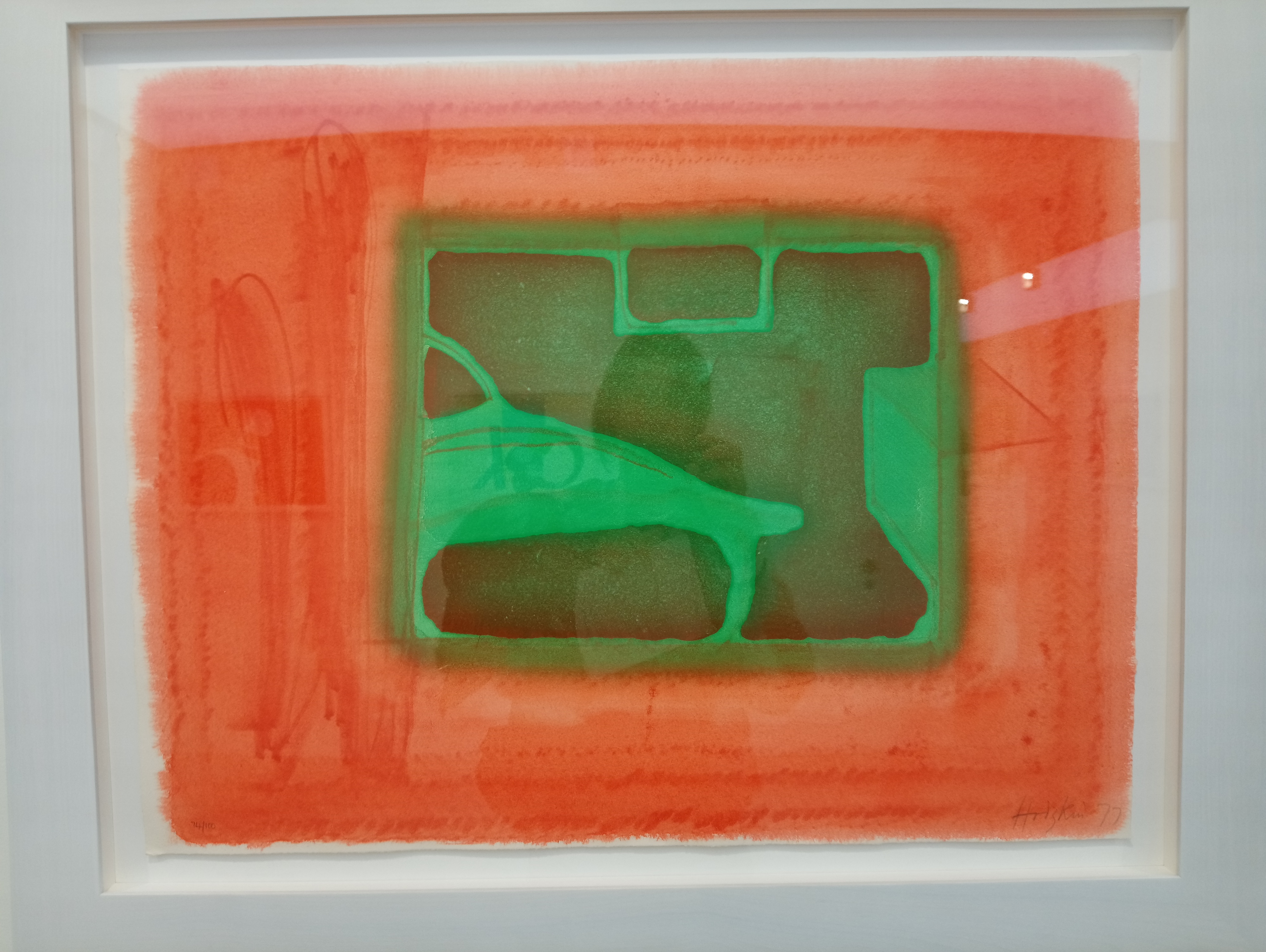
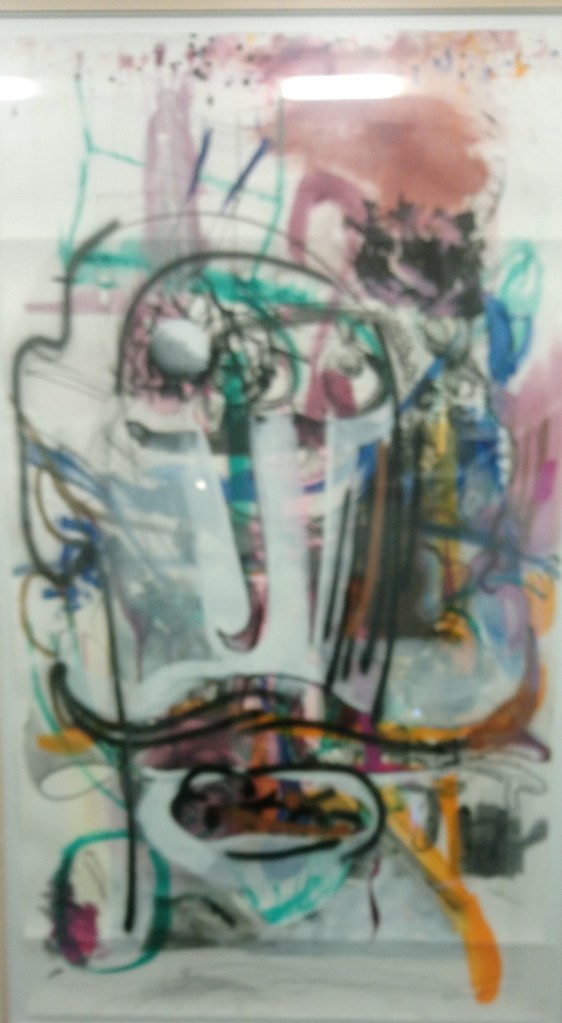
twombly artist.Eliasson prototypes.hodgking artist,yuri Suzuki.Albert Oehlen.Frank Gehry’s at the design museum.Nam June Paik. Artist.
TWOMBLY-HODGKING-NAM
JUNE PAIK. Olafur Eliasson.
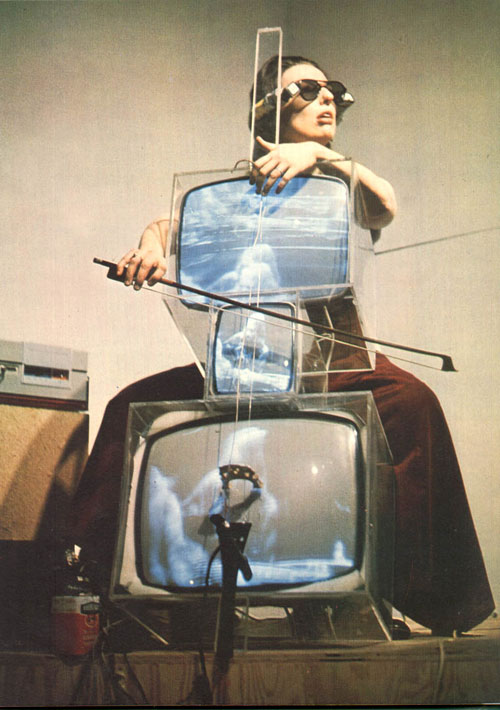
Nam June
Paik
Played a
leading role in bridging the gap between art and technology always innovative,
his work encompassed a variedty of artistic genres, from sculpture and
performace to music and live broadcasting.
With TV
garden 1974-77, Paik imagine a future landscape where technology is an integral
part of the natural world.His approach follows the Buddhist belief that all
things are interdependent and closely connected. It also suggests that
technology is not in conflict with nature but an extendion of the human realm.
Introdution
of elements of chance into the process of composition had a huge influence on
Palk’s work.
Paik had a
solo exhibition in Wuppertal. Germany, entitled `Exposition of Music-Electronic
television.Three storeys of a villa converted
into a gallery were filled with immersive environments and sculptures
that invited the active participation of the audience. There were musical
instruments made or modified by the artist, an array of dangling objects
playing random noises as they moved and rattled. In the basement visitors could
create their own compositions by reproducing snippets of music using modified
record an tape players.
In the project investigator , I am thinking to introduce mobile shapes inspires by Calder ,moving shapes with projections and sound to stimulate the senses, Olafur is another influence referring to the senses, the public will have another influence in the art work because depending how the public is moving inside the room will be different projections, or sounds, every time will be different depending on the intervention of the public, if there is two persons in the room the installation will be acting in a different way than if there will be one person.
Olafur
Eliasson.
Eliasson has
created a broad body of work that includes immersive installations, sculptures,
photography and paintings. The materials he uses range from moss, glacial
melt-water and fog, to light and reflective metals. Eliasson´s art comes from
three particularly important interest.
He research into geometry, and his ongoing investigations into how we
perceive, feel about and shape the world around us.
Eliasson
puts experience at the centre of his art. He hopes that as you encounter it,
you become aware of your senses. This heightened awareness of yourself an other
people creates a new sense of responsibility.
Eliasson
puts experience at the centre of his art. He hopes that as you encounter it
,you become more aware of your senses. This heightened awareness of yourself
and other people creates a new sense of responsibility.
Twombly.
Twombly made
his sculptures from found materials such as plaster, wood, and irong, as well
as from objects that he habitually used and handled in the studio. He created
assemblages with this found materials.
Many of Twombly’s sculptures are coated in white paint, which unifies and neutralizes the assembled materials. He recalls traditions of Egyptian, Greek and Roman sculpture. He began casting some of his assemblages in bronze.
Yuri Suzuki.
Acoustic Pavilion.
interactive instalation.
Suzuki´s auditory installation explores the connections between the formal and the Sonic qualities of space and architecture the network of White plastic pipes and clourful conical caps invites the audience to experiment with the way sound transforme through space.
In the investigator project the idea is to introduce sound, and invite the people to interact with the instalation, my idea is to have a panel with different shapes and colours, each shape Will have a sound when the public Will touch it, they can create they own composition with sound, the sound Will be related with different countries and religions, and the idea is to explore exploring feelings and perceptions that we have with countries and religions, or politcs.
to be in an unconfortable feeling is one of the ways to acces to your unconsious. Is not fun but usefull.
At the
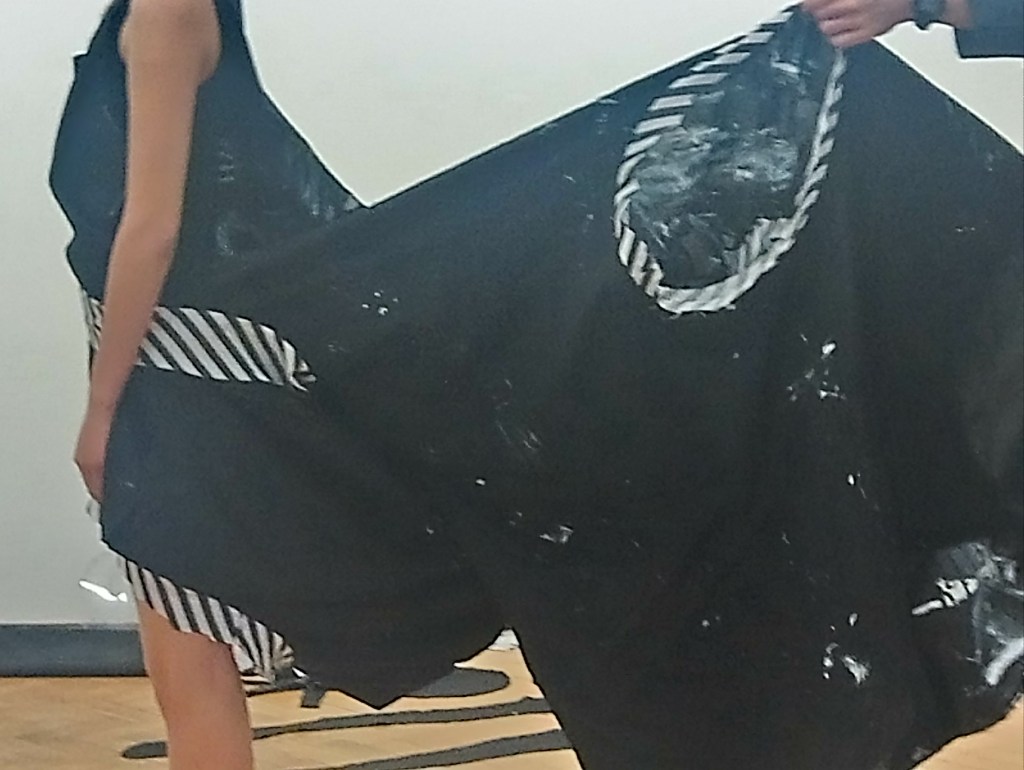
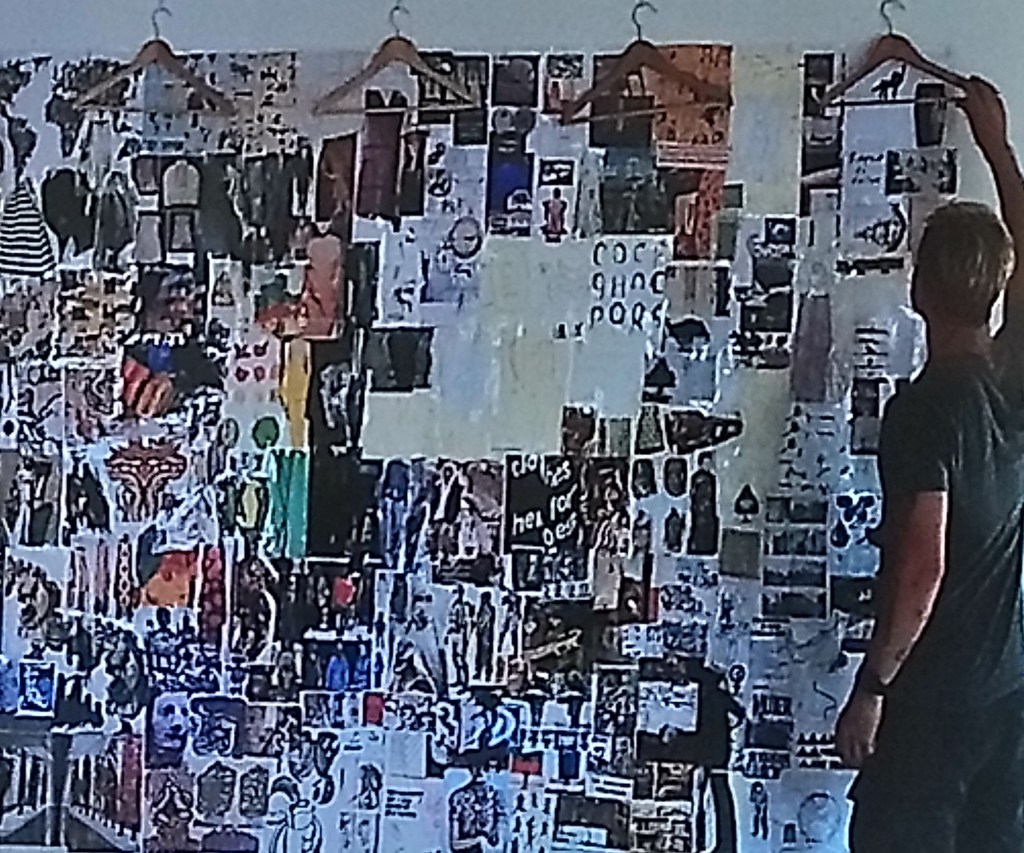
exhibition – Speed of though- Julian did
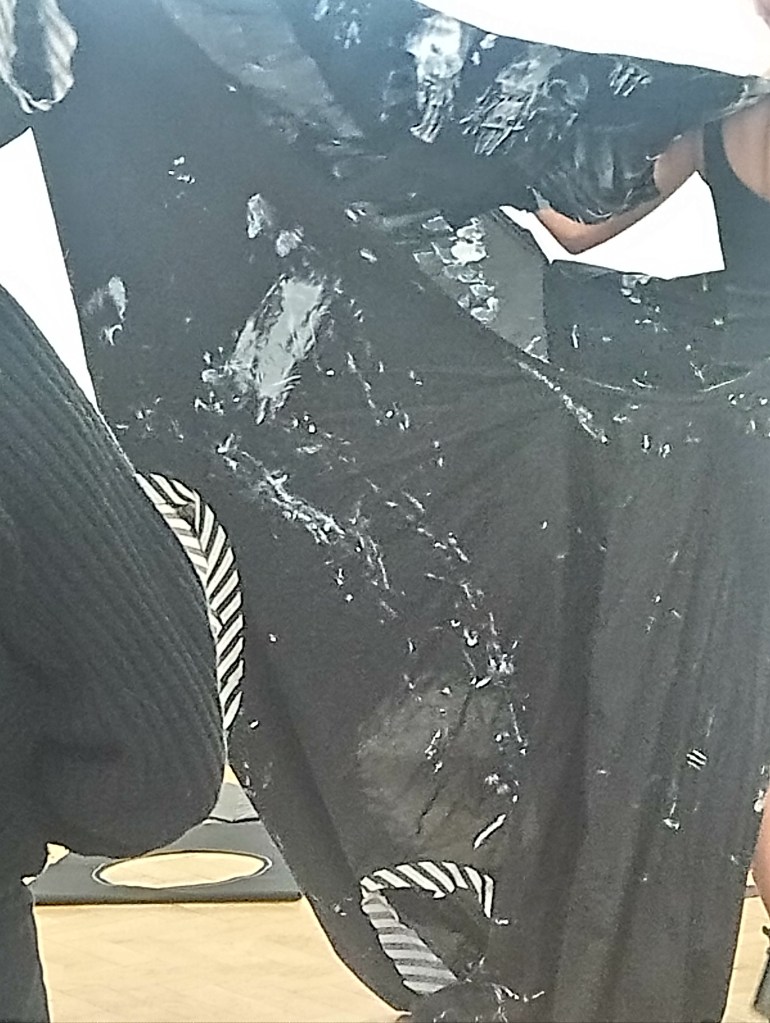
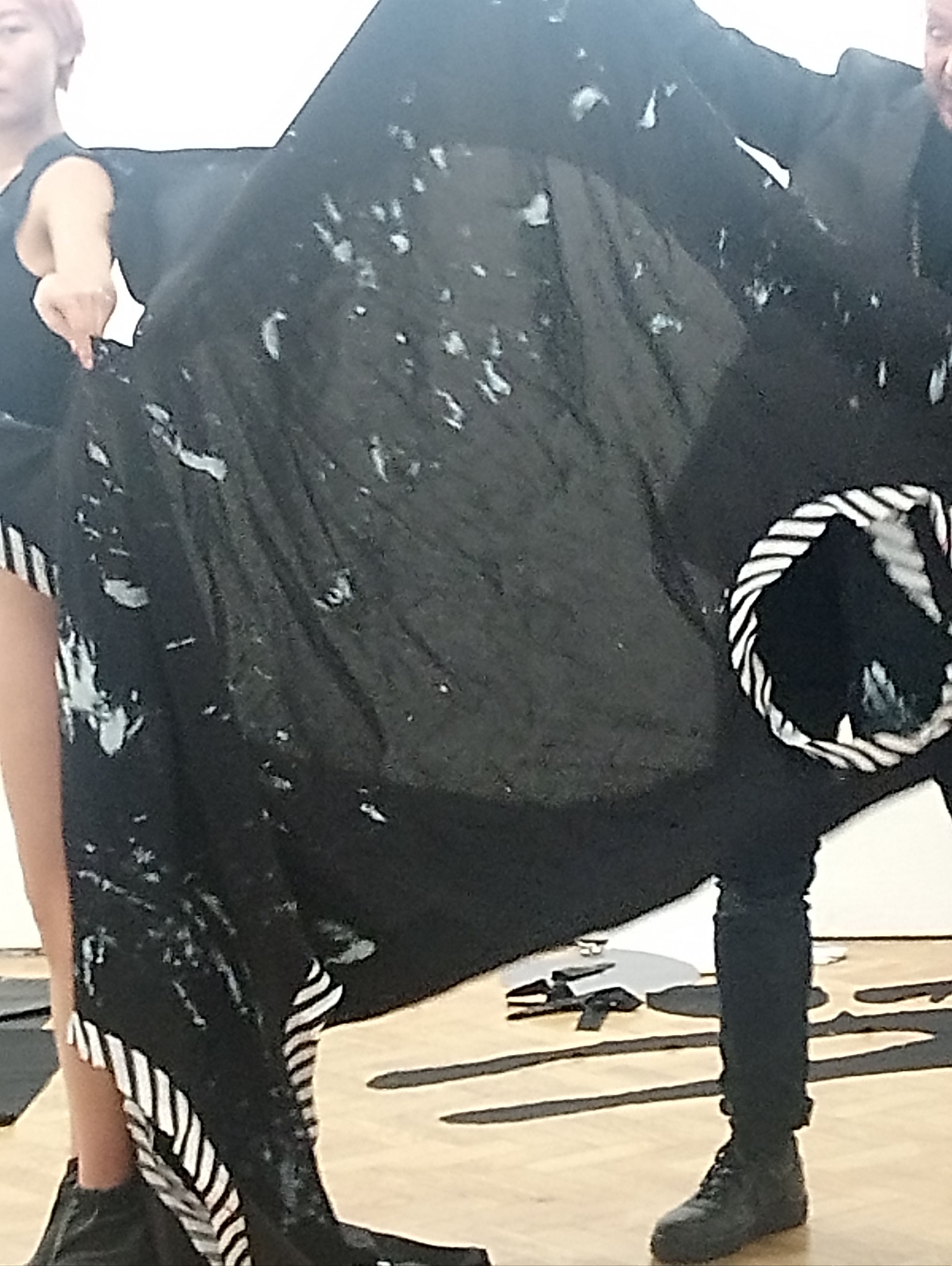
a demonstration deconstructing a dress, he is working with the improvisation and allowing mistake play his role as a chance of a new opportunity
for a new way of approaching the artwork , He is a fashion designer but his way
of working is very similar to a painter sculptor or a printmaker.
His dresses are like objects, sculptures of paintings, and his pattens are very complex and simple at the same time, I don’t know much about patters but I have seen a lot of them since I was a kid and maybe that’s why also my prototypes look like pattens. I do in a way shapes that looks like pattens but I don’t know how they work, it was a time I wanted to know and to learn but I change my mind .
Luisa Mascaro prototypes for investigator Project.
Curiosity of
the space which, challenge and
interrogate spaces, draw on them as a source of inspiration and to have an
approach as fearless, transformative and unpredictable.
I am looking for abstract shapes coming from different sources, some are coming from The birth of Venus painting,Botticelli painter, others from etchings that are damage, others from some ready made papers found in the Street.
I am not attracted by the picturesque .I am curious about other qualities than the beauty, qualities of time, weight, balance, rhythm and collapse , is it going up or down, is it folding or unfolding?
I will write some Phyllida ways of working which are similar to mine.
The work of Phyllida
is a kind of balancing act between two forces. This is happening also in my
work. One is the process of making which has something to do with construction
and deconstruction, damage and repair and the other is my observation of the
world. In the process things happen without thinking but the intuition has to
sit on the shoulder of the knowledge.
Ideas die
quickly they get replaced on the physical encounter of doing the work.
Phyllida is
always trying to undermine the image. She is an artist who has thought
processes and responses and reactions and counter reactions. She can change
direction in the midway of a work , sometimes without interest in achieving a
flawless finish.
The paradox
of her process is that the process of experimentation necessary to find the
final forms can be time consuming and the paradox is that she don’t like heavy
handedness and elaboration when working, she is quick and immediate most of the
time, with zero fussing around.
I think her
work is very interesting because she is using non traditional materials and she
move on into a new way of doing art. She takes the inspiration from the world
around her , she does not want to make sculptures that respond directly world events such as, say, 9/11, and would
hate to tell people how to think politically.
She achieved
with her installation a good view of the world that surrounds her in north
London, she calls this interest ` the anthropology of everyday life´.
Is there a
subject to her work? She still trying to find the answer, if she were to give
one, it would probably have something to do with her `anthropological ´
interests. What do humans leave behind? That´s what fascinates her, she feels
compelled to evoke the `mess´ that is an inherent part of being human, though
it´s mostly held in check.
Ultimately, though I doubt she will ever find an answer to the question of her subject.
Sometimes I have the same question, is any subject to my work?
My background is coming from a family of designers My father and my sister are designers, since I was 2 years old I was going to the factory of my father, the shapes of the patterns of the shoes are very similar of the shapes I am doing, last year when I was studing a Kensington college a tutor told me that the cuts outs of my etchings were like patterns of shoes, actually I told him, my father is a shoe designer , uncounciously I am imitating my father in another field.
The object I have created is called “Circular Line”. The main inspiration for this came from the Victoria and Albert museum artifacts and sculptures collections, where I saw the sculpture of grotesque birds in bronze. This is a reminiscent of Dante, who created a poem that positioned humans figures described like grotesque animals around the inside of a cone that signified the circle of life. Borges reinforced this by writing about hexagons to analyze the processes that humans go through. Another significant source for the object I´m creating is Jade Bi is a circular ancient Chinese jade artifact which has ornate surface carving (particularly in a hexagonal pattern) whose motifs represented deities associated with the sky ,as well as standing for qualities and powers the wearer wanted to invoke or embody. This artifact has inspired me for the simplicity of its circular form and the carving of the hexagonal patterns. As a response to the connection of the other sources mentioned above I have acquired the inspiration of the “Circular line” 3D object incorporating different compartments with hexagons that represent our different processes in which we live and symbolize the infinite circle of life.
The aim is to create an object which when
viewed from far away, will look simple, yet up close will reveal complexity.
This reflects the human personality, which combines the simplicity of
consciousness and the complexity of ego and their relationship with one
another.
This object can be exhibited in two ways, on
its on, on a plinth and the materials I will use will be wood and glass. Also can be shown hanging many of them in the
space as an installation with a light material such as transparent plastic,
combined with paper representing the constellations.







 Luisa
Luisa 