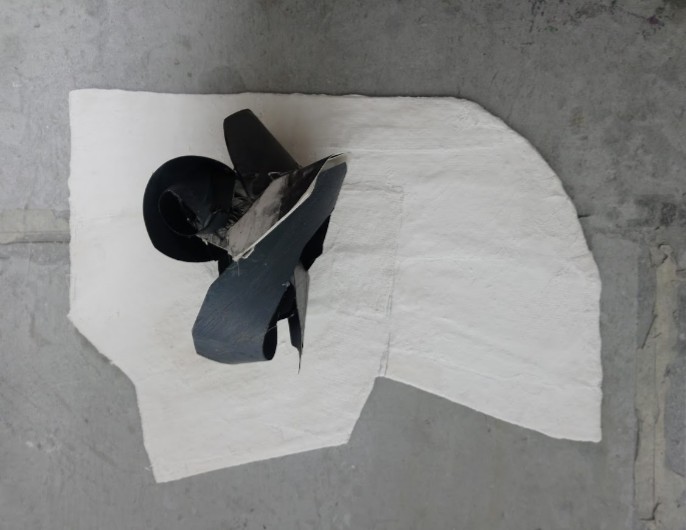
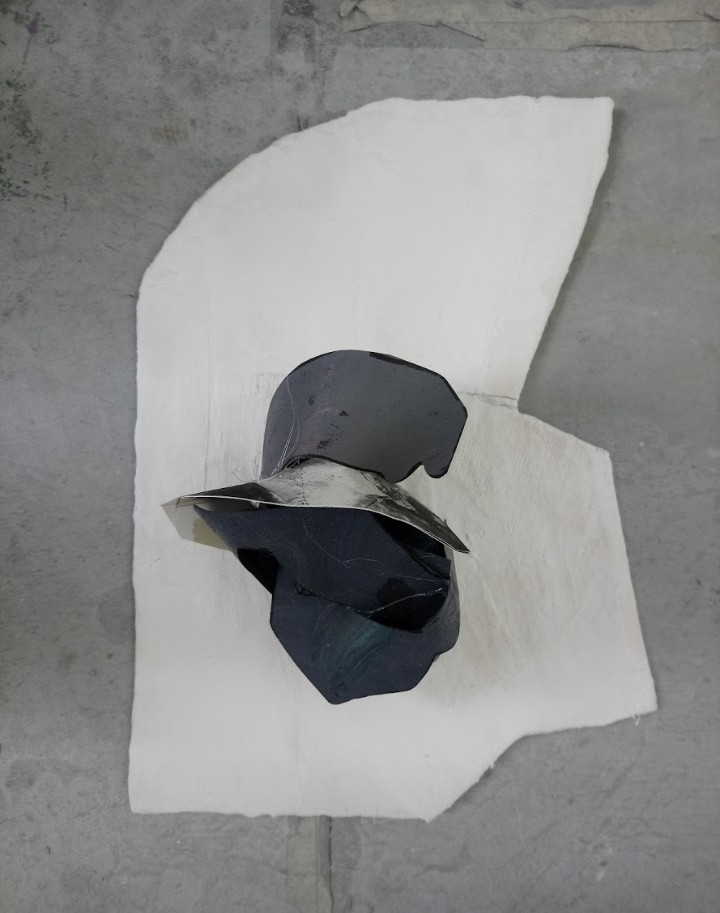
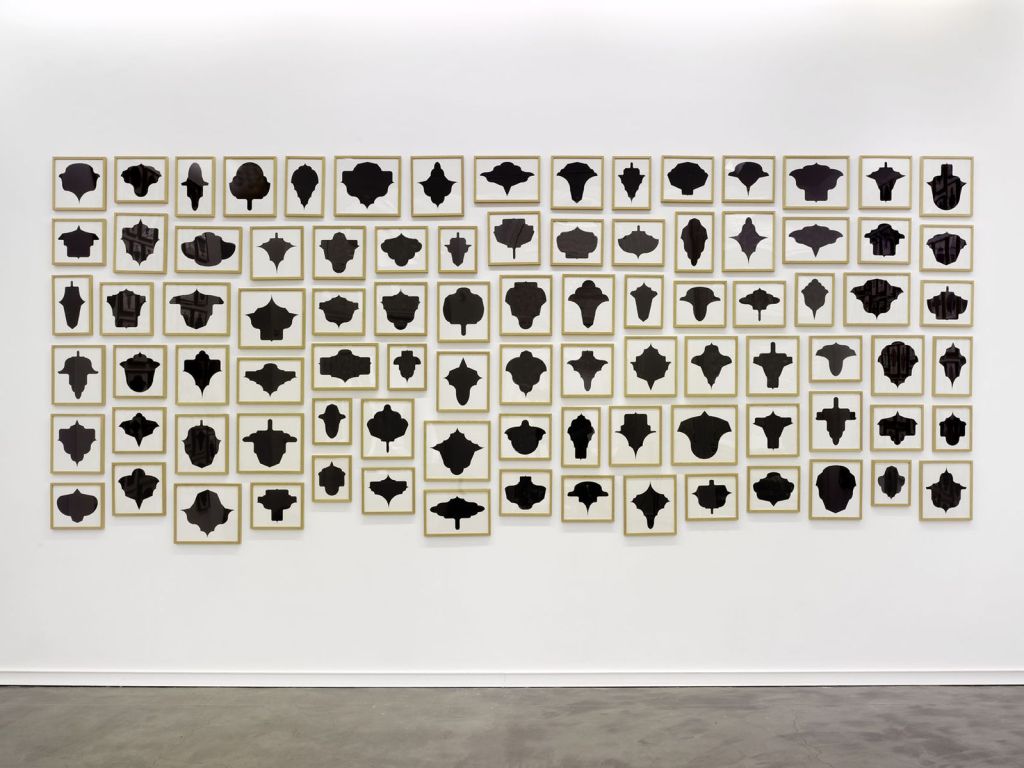
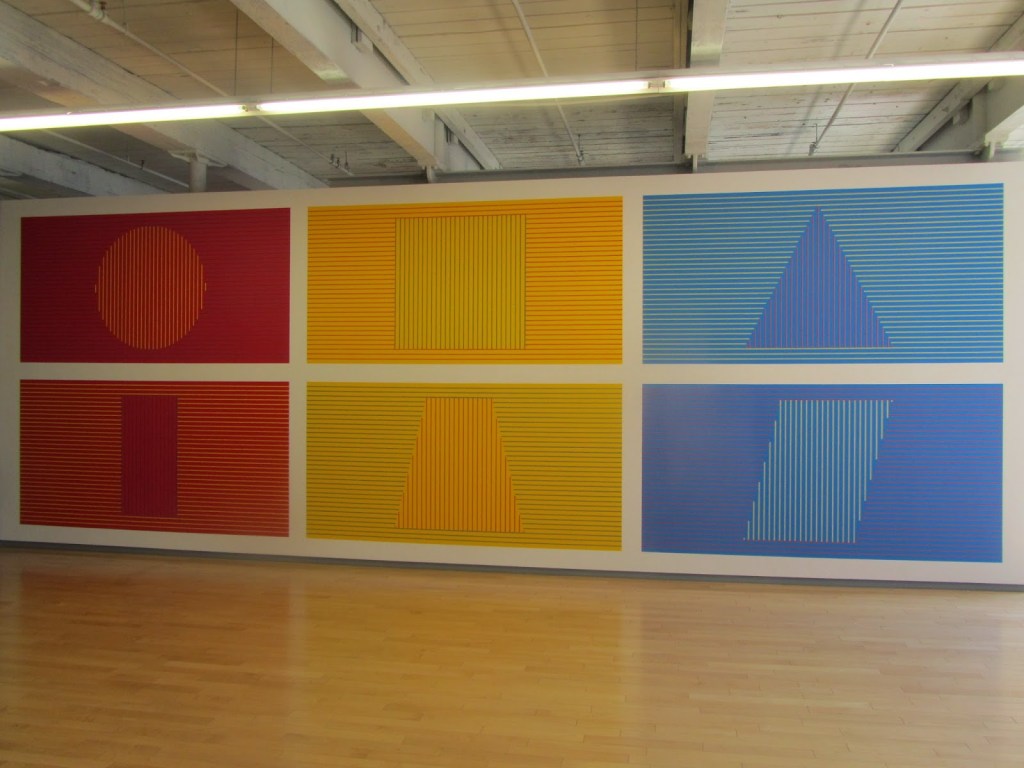
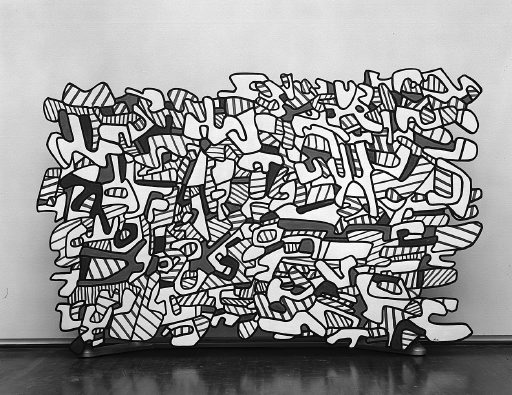
Different positions and repetitions of the same form.
Allan Maccolum.
Employing plaster, rubber, and cement, he has created sculptures resembling framed paintings, fossilized bones, antique urns, and household objects. “When h first decided to be an artist, he was interested in exploring self-referential angles on how our culture defines a ‘painting,’” he reflected. “he realized that a painting is ultimately defined by its context. And all contexts are within other contexts within other contexts, so he is always drawn into an ever-expanding idea of contexts.”
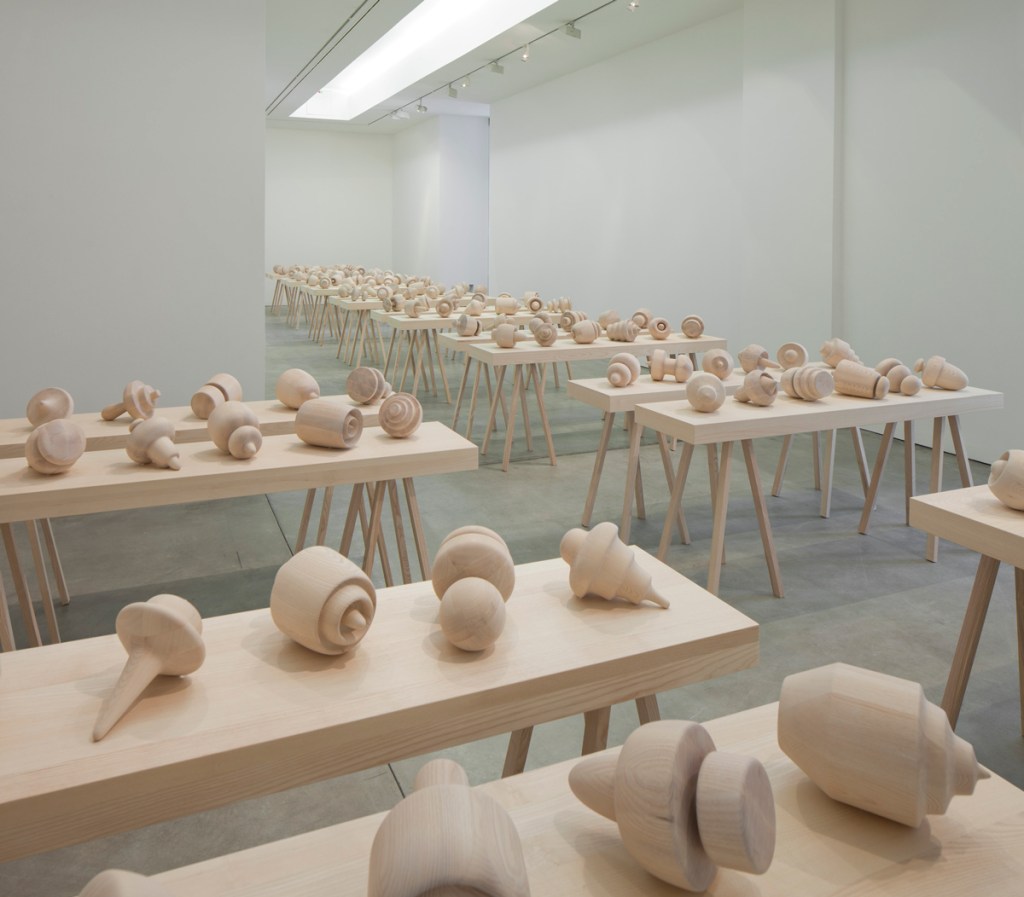
In his sculptures, drawings, and photographs, Allan McCollum applies the strategies of typologies and mass production to handmade objects, creating vast installations of small-scale works.
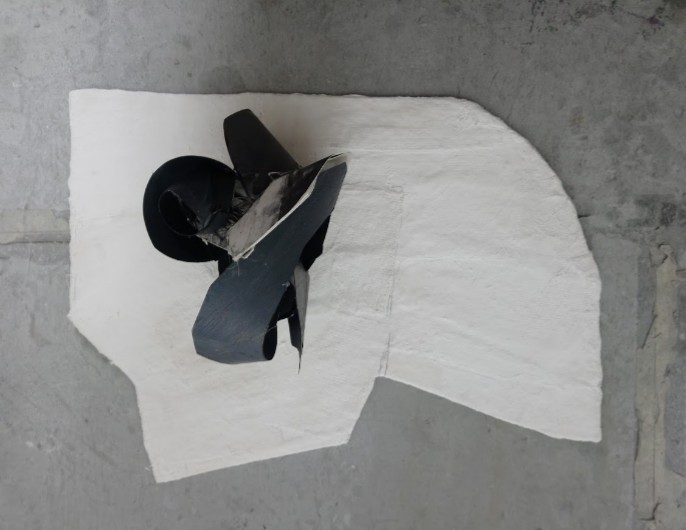
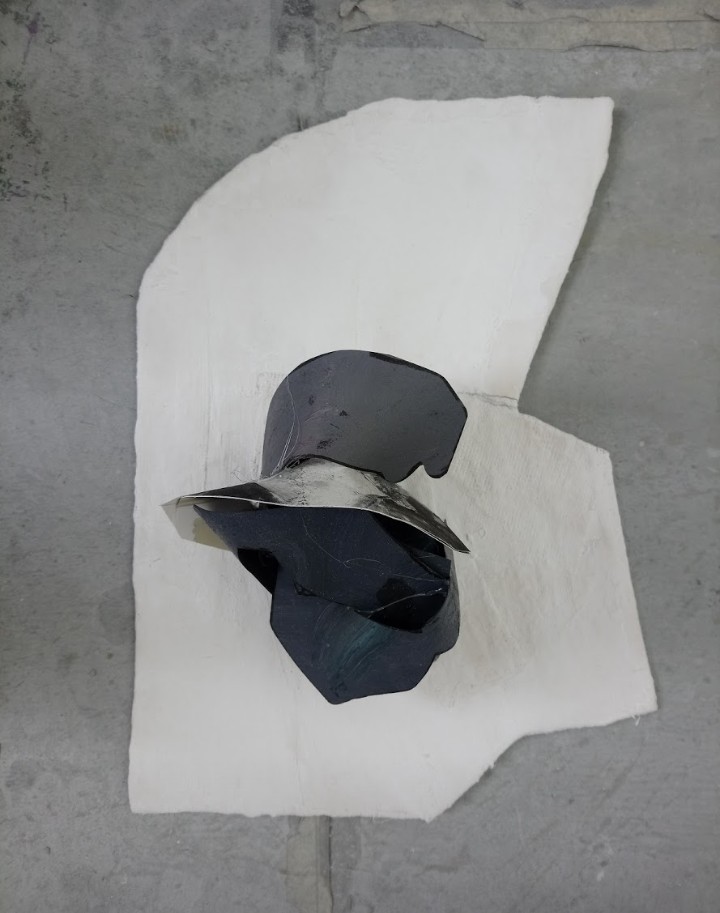
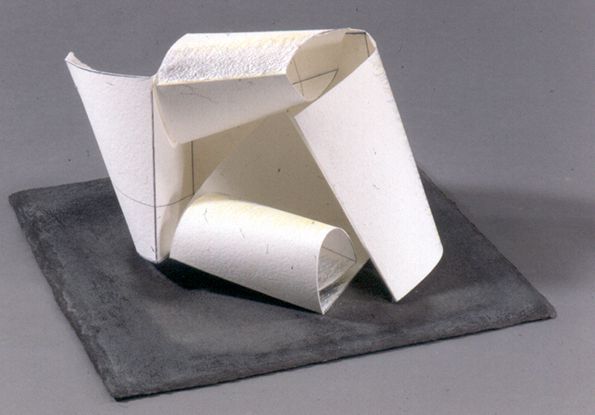
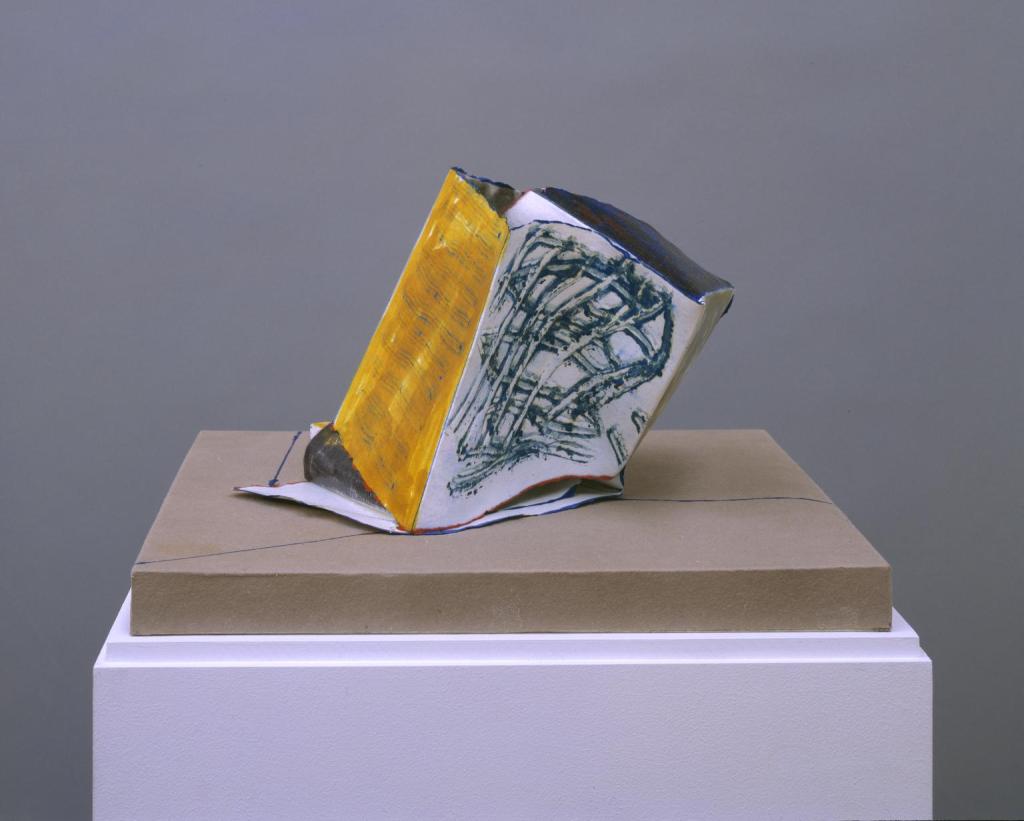
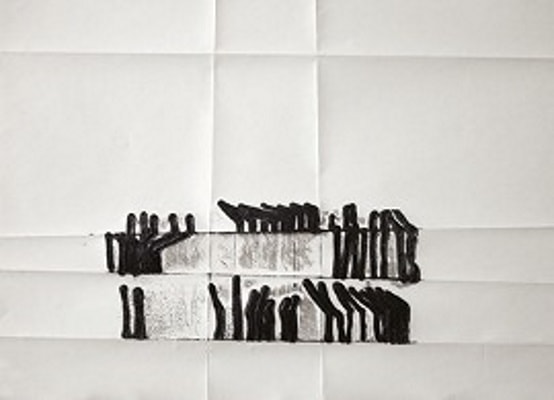
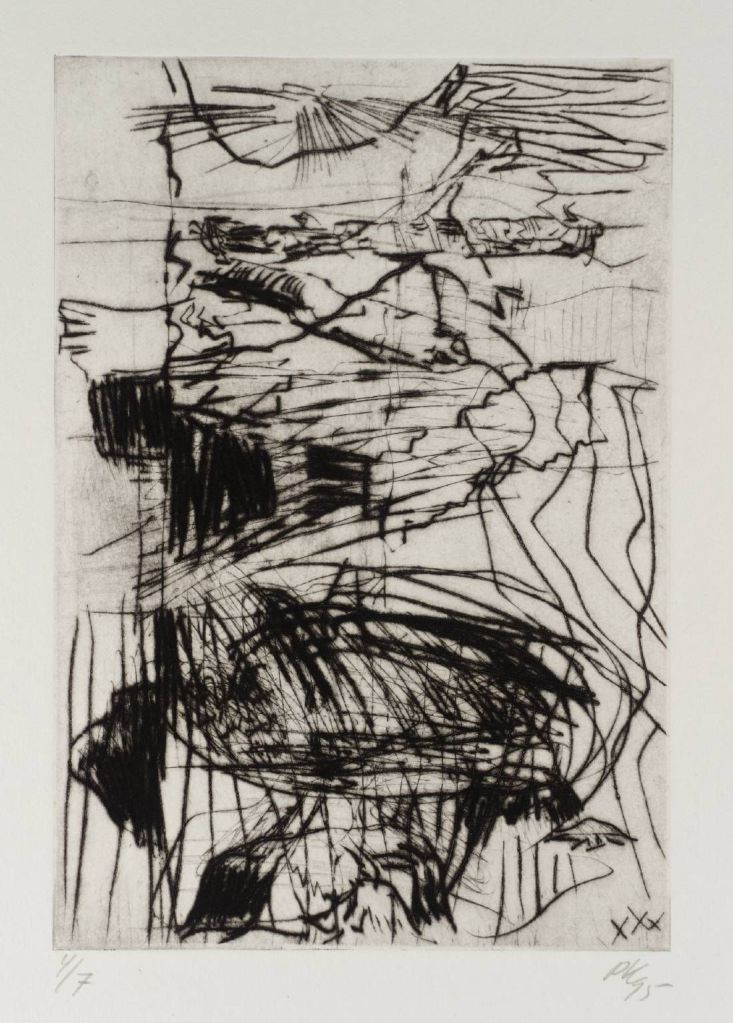
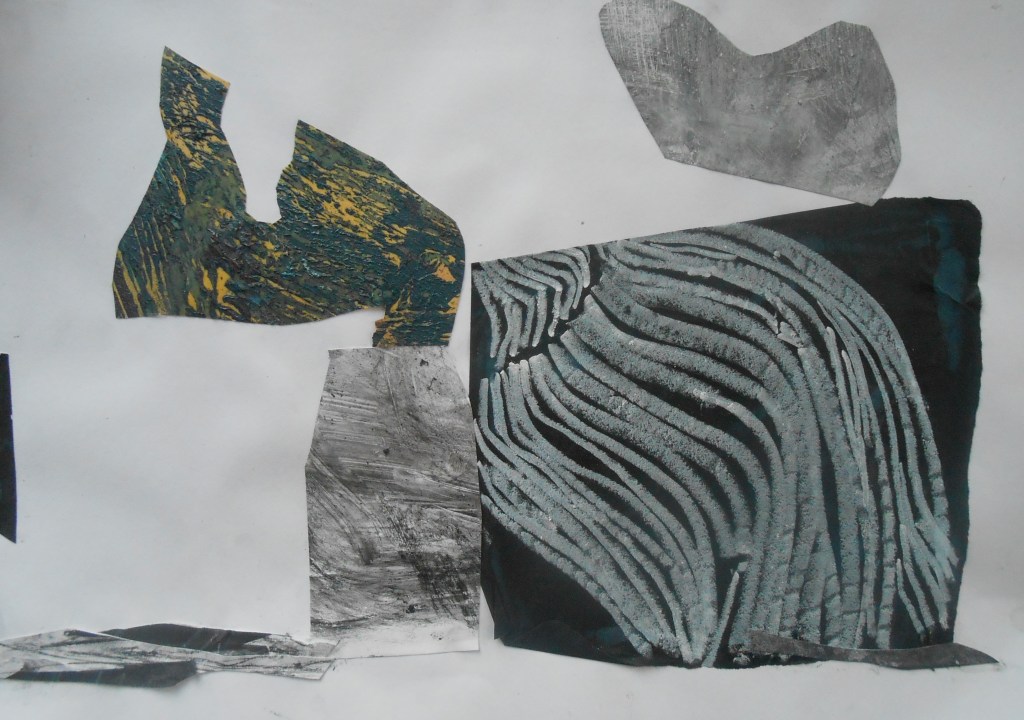
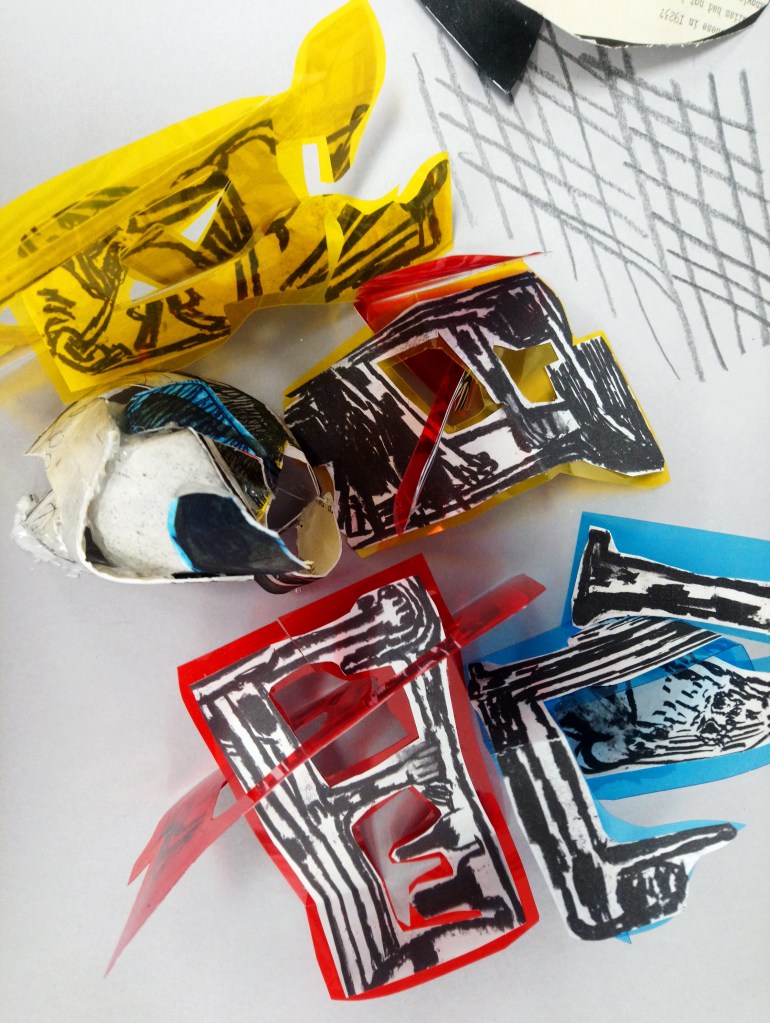
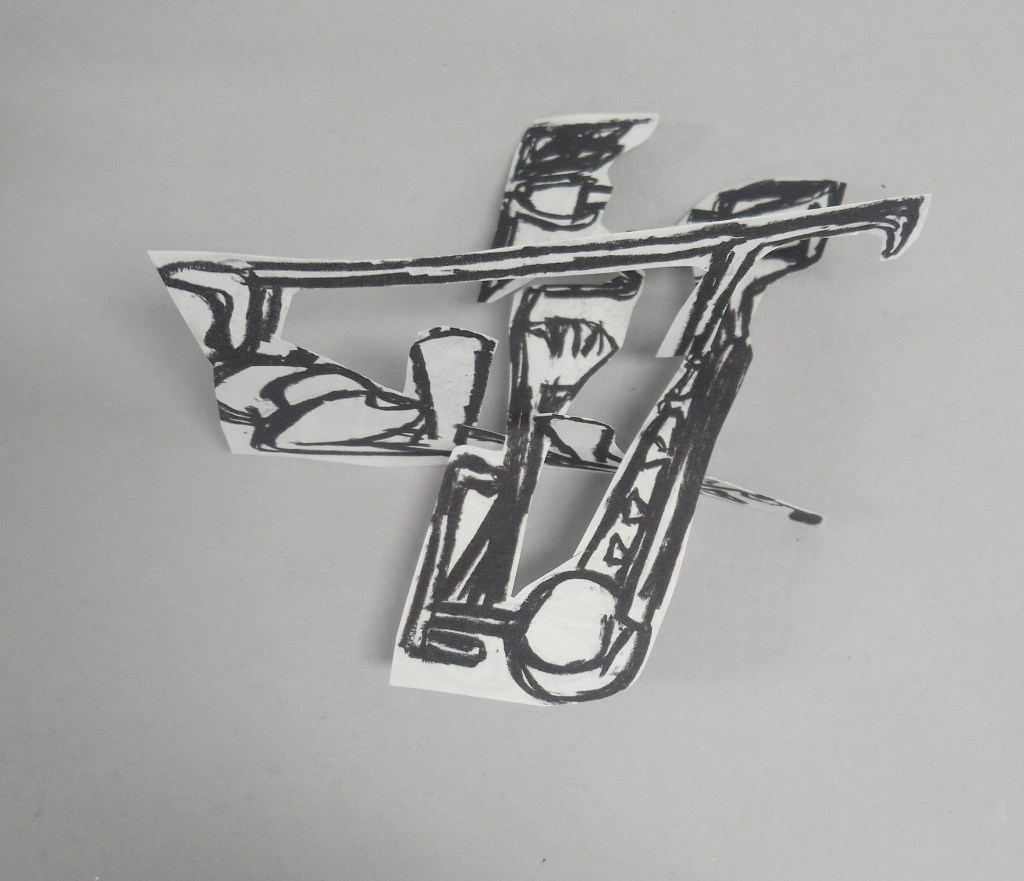
I am exploring Three dimendional possibilities with some of my etchings. the photos that i will download tomorrow are from discarded etchings the shapes are telling where to fold, broken or unfold, deconstruct or construct the influence for this future project is Anthony Caro.
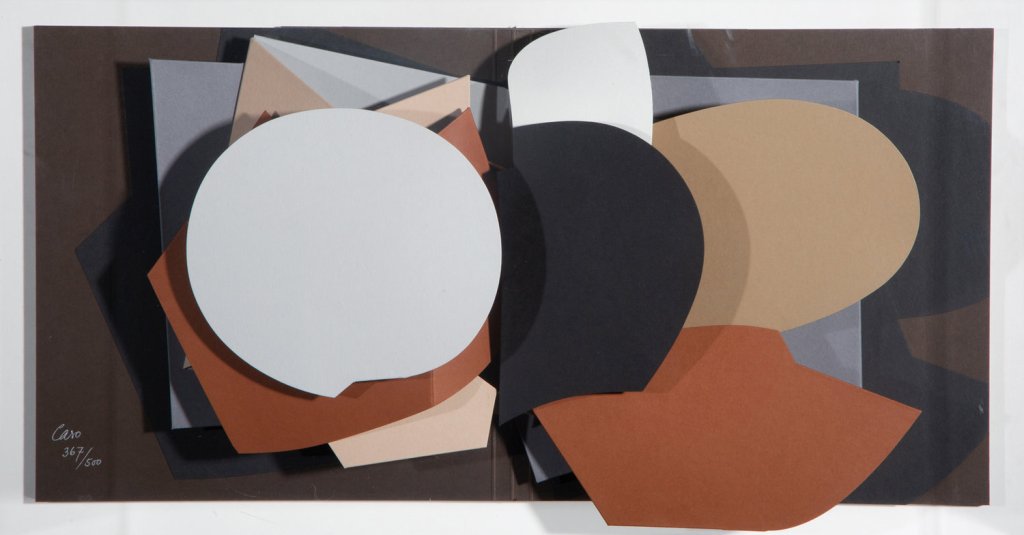
Paper gave Caro the opportunity to explore the three-dimensional possibilities of the blank page and gave him a new freedom for experimentation, Using paper allowed new sculptural forms to emerge from the flatness of the page w Instead, it could be rolled, folded, torn, scrunched-up, layered in different colours or drawn upon. The results are often elegant and delicate,Looking at this collection of works, one feels the spontaneity of an artist discovering and coming to terms with the mandates imposed by the material, acquiring and adapting knowledge as he progressed.
Thomas Gosebruch came into my mind this morning, he is one of my ex tutors and probably he will be again (I hope so), I was thinking about printmaking probably that’s why. The other reason is because I want to do an Artist Residency in Venice this will happen this spring I have just done all the paper work to go there, there is a wonderful print studio in front of the canal with a lot of natural light , I am thinking how to link the printmaking with investigator project, I would like to keep developing the project from RCA into prints in Venice, that’s why I will start reading and looking to Pier kirkeby and Thomas Gosebruch, I think they can be fantastic influence.
Gosebruch.
expressive drawings with pencil, ink and oil, to sculptures made with extruded lines of clay, what he considers drawings in 3D.
A prolific artist, Kirkeby used a range of different media. He was a member of the Fluxus group and was influenced by Pop art in the 1960s. Later he was influenced by Tachism and Abstract Expressionism. The vigorous brushwork and chromatic beauty of his, mostly untitled, paintings and the sensuous modelling of his rough black bronzes have earned him the title “lyric expressionist”. The paintings, which tend towards the abstract, bear veiled iconographic reference, largely to the Danish landscape and the female figure.
Luisa Mascaro
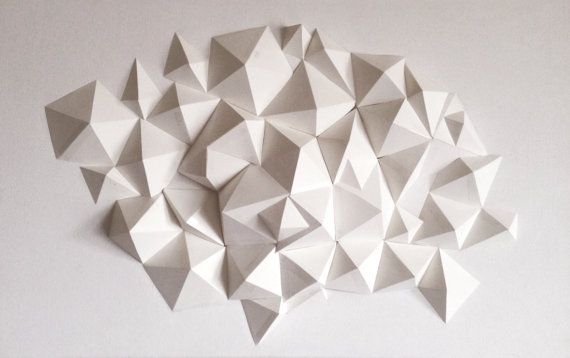
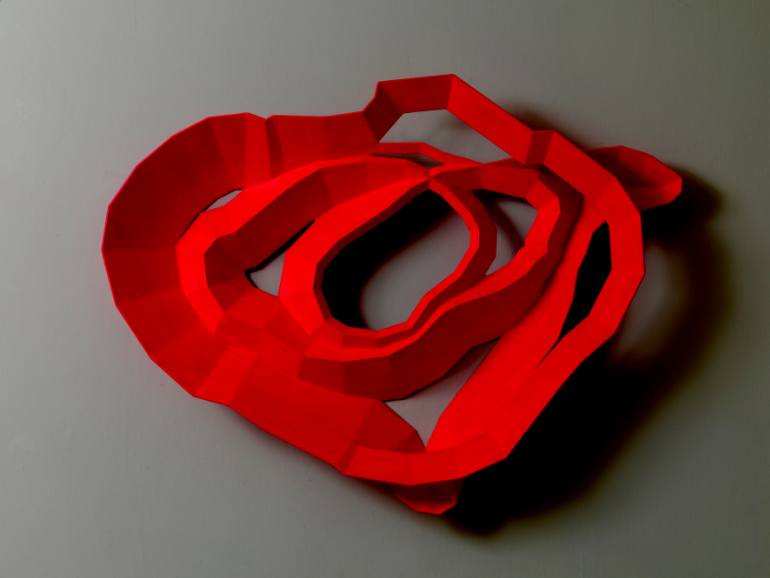
shapes from the 3D objects. and the 3D objects are from some etchings that relates to Paracelsus Rose. about leting go.
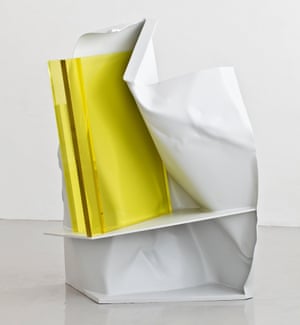
June Crespo’s sculptures look like decompositions of the paintings of informalism movement, probably I see it like this becouse the other day I thought of doing decompositions of the informalism art movement painters, from the 2D images going to 3D images.
June Crespo lives and works in Bilbao and Amsterdam. Starting with a focus on the reproduction of images and their use in graphic design and sculptural installations, Crespo approaches sculpture from a broad perspective, producing objects that stand at the meeting point of assemblage, collage and camera-less photography. Crespo tries to interrupt the way of reading and perceiving forms that we recognise, in order to become involved with their physical and material presence.
From this Artist I am thinking to make 3D shapes from the marks of the informal art , From that dark time , I am going to do some 3D shape and i will add light to that marks that are coming from suffering,anger, fustration, I want to think that we are going from a dense time to a lighter time, is a constant changing a constant moving on to a new era, I will add colour to that dark time, color to that marks.
I will let the material and colour lead the process also the intuition and the knowledge.
Antonio TAPIES
ALBERTO BURRI
Antonio TAPIES
Intuition has to sit on the shoulders of the knowledge, That’s why I will keep studying history of Art and keep my art practice on going.
Manolo Millares.
Manuel Millares.
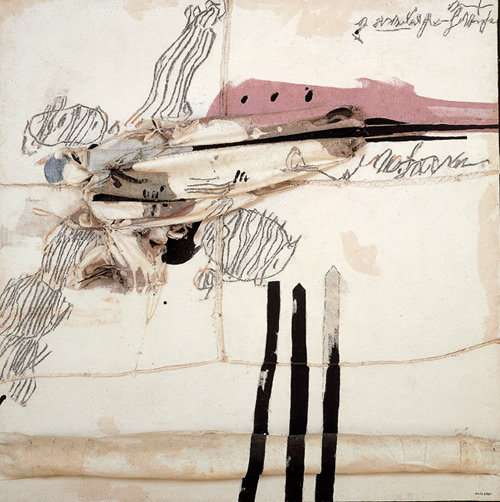
Manuel Millares (1926-1972), Spanish painter born in Las Palmas de Gran Canaria. his stay in Lanzarote during the Spanish Civil War (1936-1939) makes contact with the nature, which influence their work. At first, surrealism who exercises great influence on him.
After delving into the idiosyncrasies canaria as themes of his works, goes to investigate the surfaces and textures matter. From there draw their sacking, which combines wood and sand. In 1955 makes its perforations. Participates in the creation of the El Paso group, which have a decisive influence on the spread of Spanish informality or expressive abstraction. The trip by the Sahara in 1969, whose atmosphere will affect their conception of painting, resulting in a predominance of white sand in particular. This phase is followed by another entitled Antropofaunas and Neardentalios series consists of metamorphosed beings and turned into fantastic.
Thousands creates pictorial surfaces, volumes almost sculptural, they provoke in the viewer an intense emotional reaction. His work, in the purest informality.
In the work of Millares, Tapies, burry, and Afro Bassaldella. there is a lot of mark making, shapes, and different materials, this marks can be transform into 3D forms as starting point for a series of sculptures .
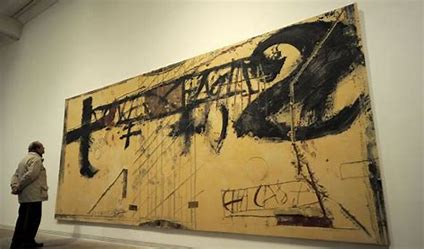
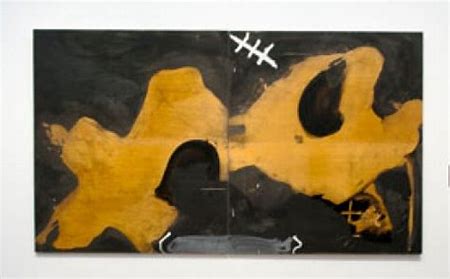
Tapies. Catalan painter.
In 1948, Tàpies helped co-found the first Post-War Movement in Spain known as Dau al Set which was connected to the Surrealist and Dadaist Movements. The main leader and founder of Dau al Set was the poet Joan Brossa. The movement also had a publication of the same name, Dau al Set. Tàpies started as a surrealist painter, his early works were influenced by Paul Klee and Joan Miró; but soon become an informal artist, working in a style known as pintura matèrica, in which non artistic materials are incorporated into the paintings.
Burry.
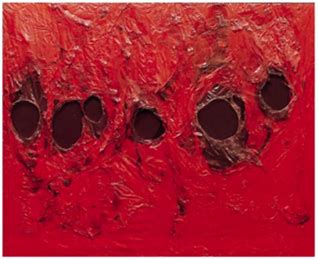
Alberto Burri was born on 12 March 1915 born to Carolina Torreggiani, Burri attended at the University of Perugia, the Annibale Mariotti high school, where he studied art, art history and medicine, enrolled in the faculty of medicine Burri specialized in tropical medicine and decided to work in Africa. With an precocious voluntary experience in the Italo-Ethiopian War, Burri was then recalled to military service on 12 October 1940, two days after Italy’s entrance into World War II, and sent to Libya as a combat medic. On 8 May 1943 the unit he was part of was captured by the British in Tunisia and was later turned over to the Americans and transferred to Hereford, Texas in a prisoner-of-war camp housing around 3000 Italian officers.
Prevented from practicing his medical profession, Burri had the opportunity of choosing a leisure activity using the limited amount of materials available in the camp he took on the activity of painting, at the age of almost 30 and without any kind of academic reference.
Meanwhile, the tragic death of his younger brother Vittorio on the Russian front in 1943 had a strong impact on him.
Shutting himself off from the rest of the world, and depicting figurative subjects on thick chromatic marks, he progressively realized the desire of abandoning the medical profession, in favor of painting.
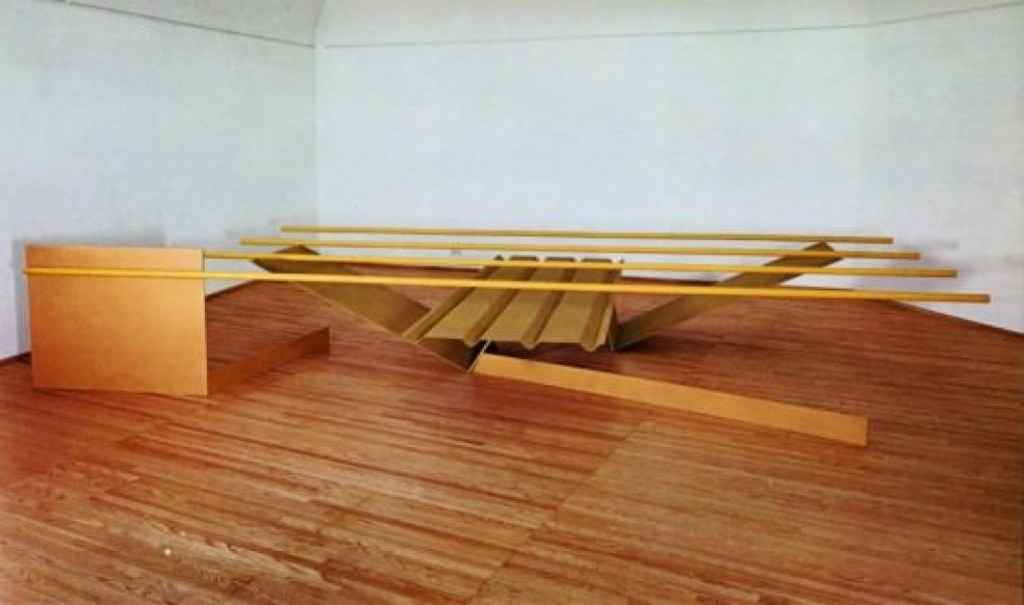
This sculpture called Prairie of Anthony Caro influence Phyllida Barlow, from that xhibition at Kasmin Gallery on New Bond Street in 1967 she started been interested with him, she remember walking round the edge of this fantastic thing, which just captured the whole space, the interaction between sculpture and its surroundings remains an essential concern for Barlow.
One of Caro´s most innovative technical maneuvers was to integrate the spaces and surfaces around the sculpture into the work itself, removing his works from the plinth .
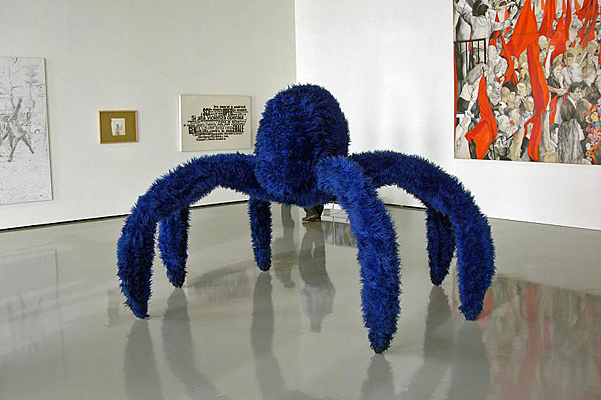
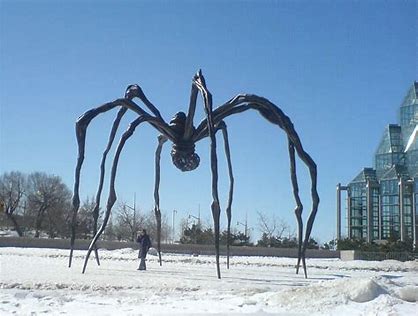
Another influence was Louise Bourgeois, Barlow’s sculpture called `eyes´ allude to one of her favorite sculptures(Velvet Eyes) by Louise Bourgeois. Modern art at that time was divided between surrealist and purely abstract artist and a fusion between this opposites movement.
Louise Bourgeois(Velvet Eyes)1984 Marble and Steel.
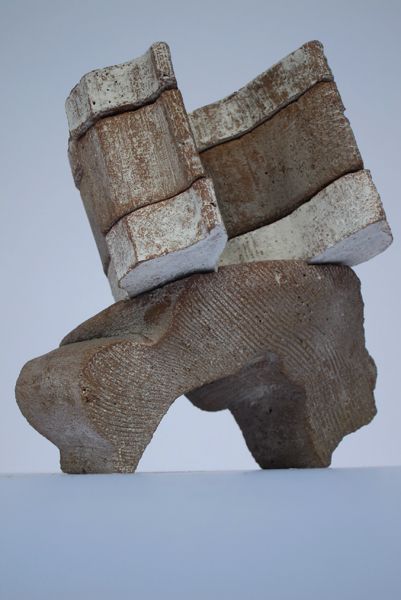
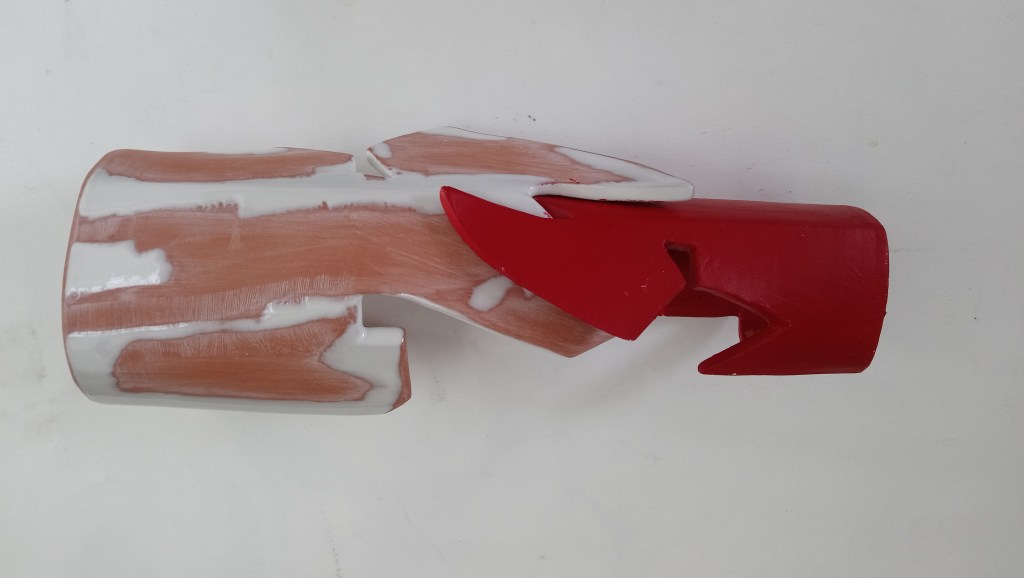
today I put this 2 pieces of ceramic toguether, I did them last year and I discard them becouse I did not found them interesting, today i just re-assembling them and is a compleaty new piece which is much more interesting, in a way from two allready made objects I do a new one.
WHAT DO YOU SEE , IN YOUR MIND´S EYE?
Sometimes I use some objects that I have done in the pass and I want to push them farther, DECOMPOSING AND REASSEMBLING, I usually do it when I think the piece is not worth to keep as a ‘final piece’ and I manipulate them or add new pieces and I make a new composition or a new sculpture, or even a new photo which can be the photo itself the `FINAL ´piece.It is about assemblages of different materials and the process of making which has something to do with construction and deconstruction, damage and repair In the process things happen without thinking but the intuition has to sit on the shoulder of the knowledge.
Spontaneous and random, not premeditated, making the object or sculpture without a pre-established composition, importance to forms, textures, stains, trying this way to express inner world. Not to be guided by traditional means of art, therefore, the piece of art is little expressive for needs and make a combination with accumulation of materials, including waste materials, running spills, drips, cuts or damage on the canvas.They disclaim conventional artistic patterns, both in regards to the plastic treatment and in the composition of the work. This is how Art brut was defined and is quite inspiring for my process of doing art. And some influences of informalism, Informalism is based on the Existentialism of postwar Europe, artists on multiple occasions not even use the brush but what they do is to scratch the thick surface, material, previously created with the new materials. Also, use the spatula to make spontaneous and disorderly lines denoting chaos, also making scratches, burns and grattage on canvases. Therefore, what most characterizes this art is the large number of different materials and techniques that might be that they were taken on an occasion of Surrealism (operator), in others of Dadaism.
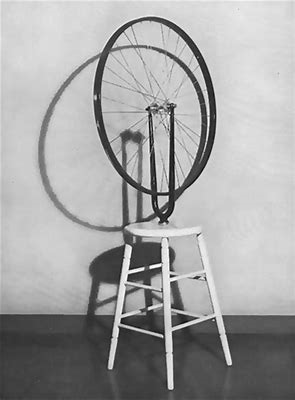
I am interested with the sculpture of June crespo, I haven’t read much about her but I will and I will write more about it later on, what I see in her sculptures is that she is using sometimes found objects combining them and sometimes it seems she re-work the found object and display in different ways there is some influence of Marcel Duchamp.
Actually I am thinking to visit factories and look for objects and materials , I Will create new sculptures from left materials, It Will be recycling objects, a little collaboration for this planet.
June-Crespo Artist.
Marcel Ducahmp. Dada
Dada was a philosophical and artistic movement of the early 20th century, practiced by a group of European writers, artists, and intellectuals in protest against what they saw as a senseless war—World War I. The Dadaists used absurdity as an offensive weapon against the ruling elite, whom they saw as contributing to the war.
But to its practitioners, Dada was not a movement, its artists not artists, and its art not art.
A bit research that links with the prototypes I am doing.The striking Art: named to the technique of the studs that account for amorphous surfaces without structure. Scratch that also come to form part and which are given as response to a spontaneous, intuitive action, informal product of vital or creative impulse of the artist, such is the case of the works of Hartung which has a lyrical approach, achieved with the application on the grattage, but always in an intuitive manner, so that, with these tools the artist achieves a very dynamic pace in the compositions.
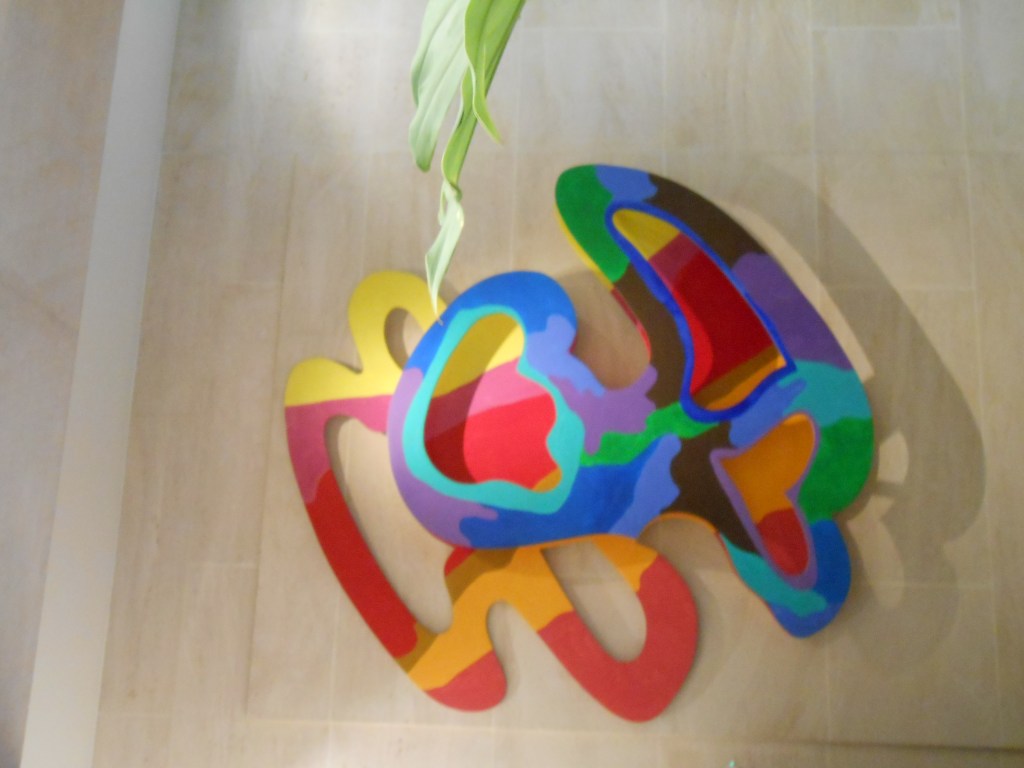
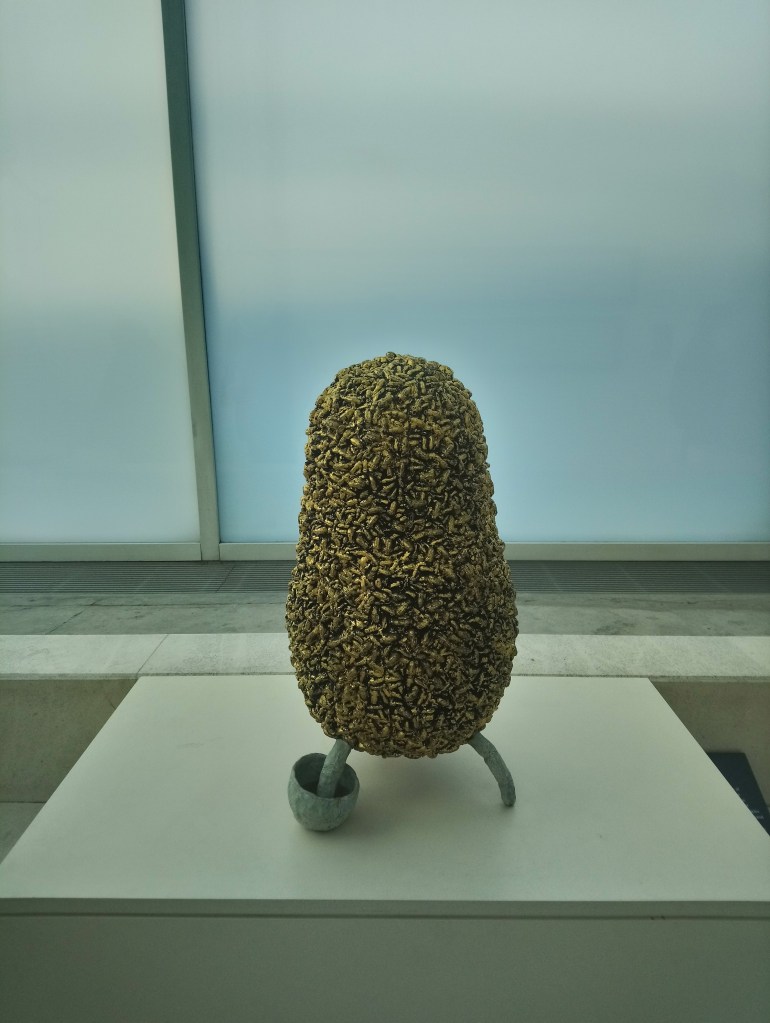
I saw this piece in a hotel in Paris. I dont know the name of the Artist.
Von Tebenhoff.
I am thinking to use Steel material like Almuth Tebbenhoff, I dont think it Will be for this Project becouse I prefere to explore new shapes and composition and to make photos and the final piece for investigator Project Will be the photo itself.
Almuth Tebbenhoff has never been afraid to experiment with new processes or materials. Born in Germany and originally trained as a ceramicist, Tebbenhoff is known to work in clay, wood, bronze, stone and steel. Though she focuses on sculpture, she often uses drawing as a method to feed concepts into her unique and colourful creations. She says:
“The concerns are similar, whichever material I use: balancing opposing forces and creating new harmonies. I find inspiration in the natural world around me and in astronomical space. Because it is so incomprehensibly vast, I make small models that are abstractions of my feelings: about love, life, death, sex, soul, God, art, myself… all this whilst being sucked by gravity on to a spinning ball, hurtling through space at 66,000 mph.”
Bill Woodrow. title Fingerswarm.
Bill Woodrow.
For Bill Woodrow making sculpture is a process of understanding what’s in his head. He says that only after I’ve made things do I start understanding the conceptual reasoning behind them.
‘This theme, The Beekeeper – Metaphors and analogies – the relationship between bees and humans and of each to the world, different systems, the way they intermingle; how one relies on the other. It can be a symbiotic relationship. Allow things to emerge without questioning why.
There is the cliché‚ about the ‘finger in the honey pot’… an allusion to human consumerism. Even in the highest technological endeavours we’re part of a natural system. But perhaps non-human systems have an inbuilt way of regulating their relationship with the world and humans haven’t quite got that right.’
For me this piece is a bit surreal and In the future I am interested with ready made object and make my own combination with them one of the influence Will be Nancy fouts, Duchamp, June Crespo, Bill Woodrow.
From these 2 artist I am more interested with the message of their art rather than their materials.
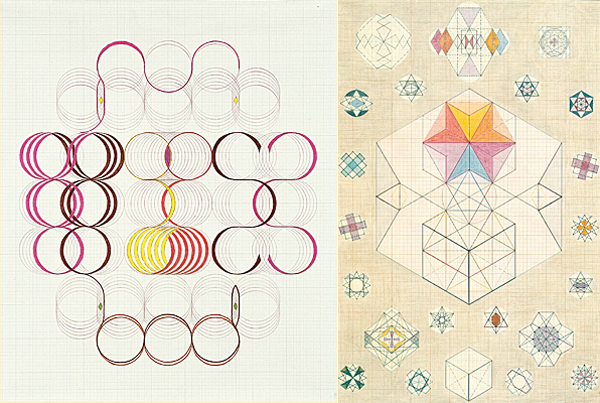
I would like to write a bit of what i have read about Emma Kunz .
For her, each combination of color, shape and thickness of line, drawn with graphyte and color pencil, held significance. Acknowledging her drawings potential to offer different readings over time, or to hold layers of meaning, Kunz would use existing drawings as guides to diagnose patients seeking her help for ailments of the body and mind. Her drawings are visual manifestations of her spiritual and philosophycal research.
AION A by Kunz, meaning ´without limittion´ it is still available as a refined mineral remedy in pharmacies across Szitzerland. Kunz continually returned to this quarry, with its harmonising effects and energies.
She was a Healer ,researcher and artist. She did not recibe a formal art education, yet in her lifetime she self published three books and produced hundreds of geometric drawings.
Kunz’s drawings are immediately striking for their size, precisión, colourfulness, complexity and variety.At first they can appear to be repetitive, their variety overlaid by misleading associations with the spirography and with the symmetrical shifting patterns of the Kaleidoscope. It son turns out that what appeared to be the kinds of repetitions and simple symmetries typical of these devices is an illusion. the drawings are on a visually immersive scale, the viewer’s gaze switches between detail and whole, taking in the overall often pulsating rhythm of the meticulously precise lines. Symmetry is often illusory.
from a 3D prototypes to a 2D painting.Influence by art brut and Frank stella.
make this in ceramic.or etchings.hardground and wood cut,or wood.
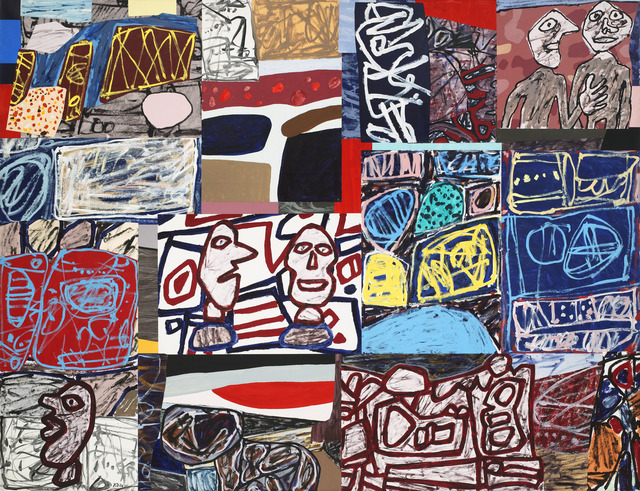
Jean Dubuffet saw fine art as dominated by academic training, which he referred to as ‘art culturel’ or cultural art. For Dubuffet, art brut − which included graffiti, and the work of the insane, prisoners, children, and primitive artists was the raw expression of a vision or emotions, untramelled by convention. He attempted to incorporate these qualities into his own art, to which the term art brut is also sometimes applied.
Dubuffet.
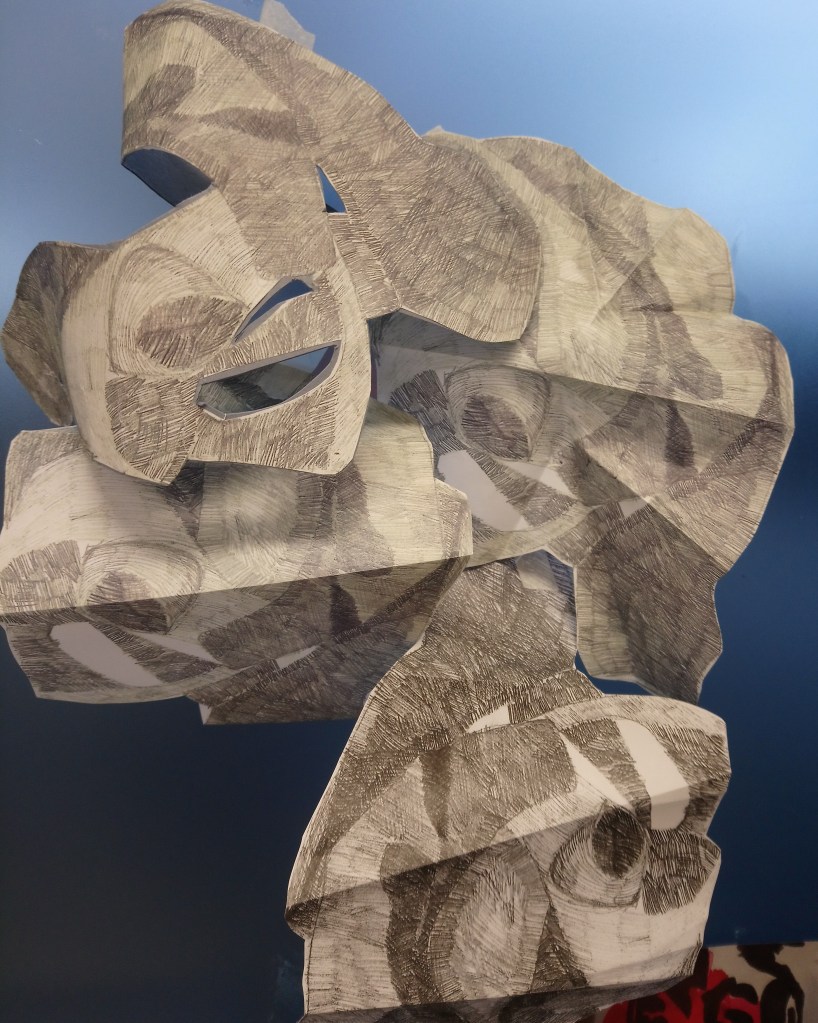
prototype.i Will ecplore bigger size with Wood or ceramic, or a flat object.
The other day I was reading about ¨art brut¨, I could see some similitudes with the prototypes I am doing now, over saturated images, abstraction, insane and naïf s drawings. I am thinking to do a 2D object from my 3D prototypes.






 Luisa
Luisa 