I am an interdisciplinary practitioner, a printmaker and painter whose work also extends into ceramics and sculpture. I experiment with different techniques and express myself using a wide range of materials. I am challenging myself by exploring the materiality in printmaking and painting, the core of my practice.
Through the intuitive nature of my work the element of discover is of most significance, allowing accident and mistake occur, sometimes I deliberately provoke them, my interest is to develop flexible thinking and to improve my visual language.
Sometimes my interest is simplifying abstract forms that arise from the interpretation of the figurative image, which allows the viewer to make their own reading of the piece of art. I hope to create a space where the public can interact with their imagination and to realise the fiction of the perception created by our unconscious.
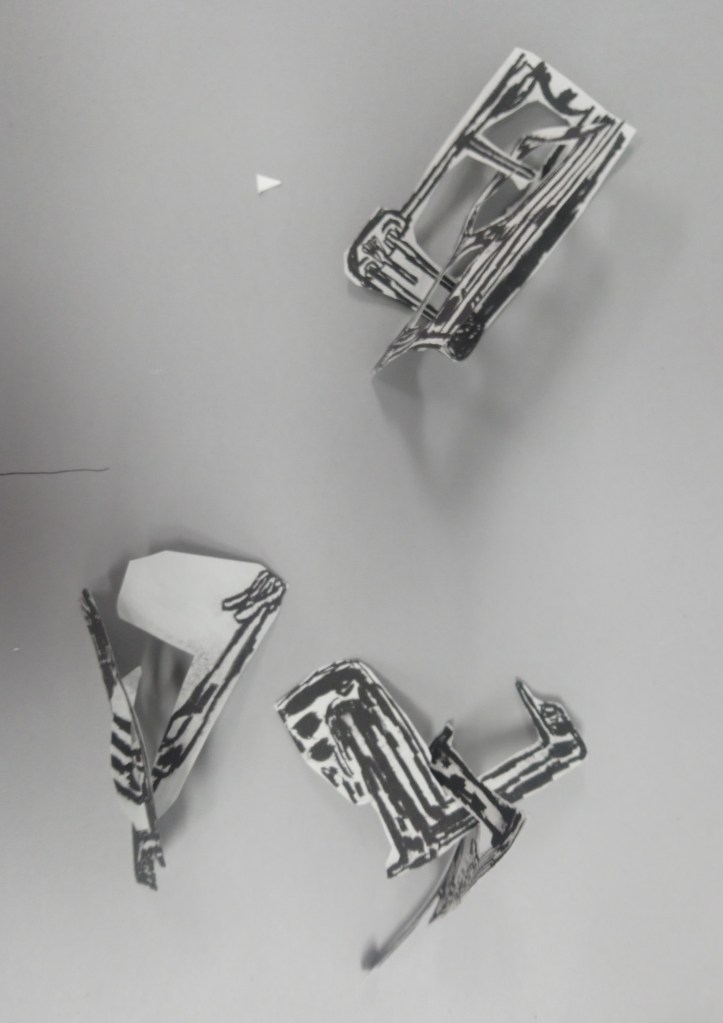
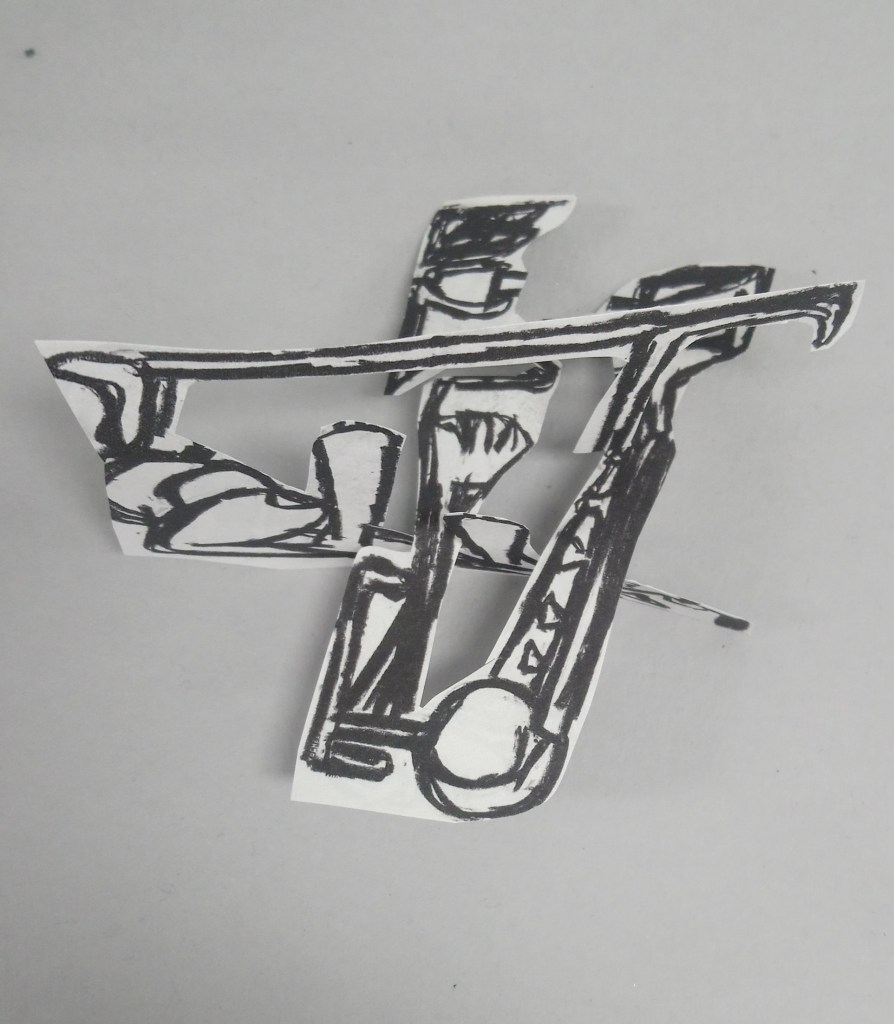
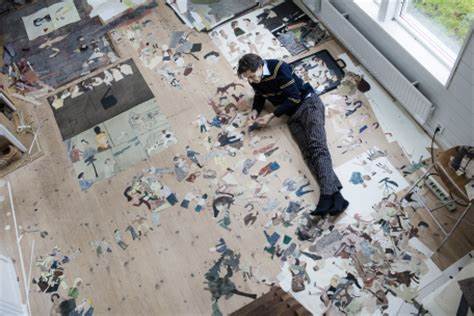
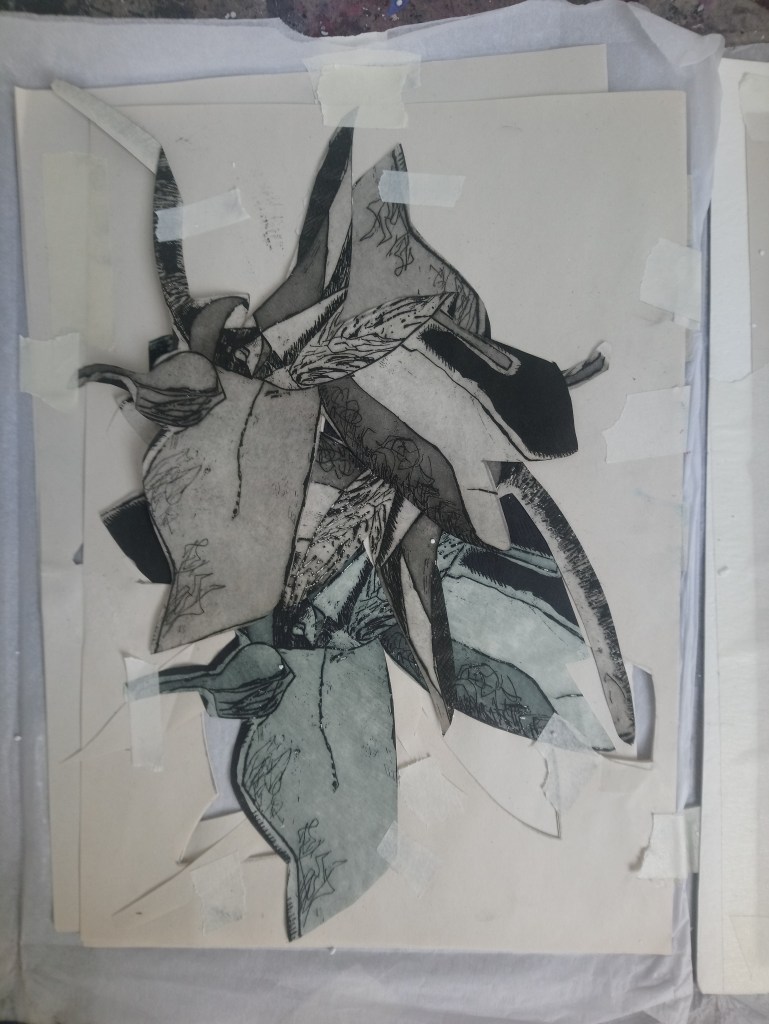
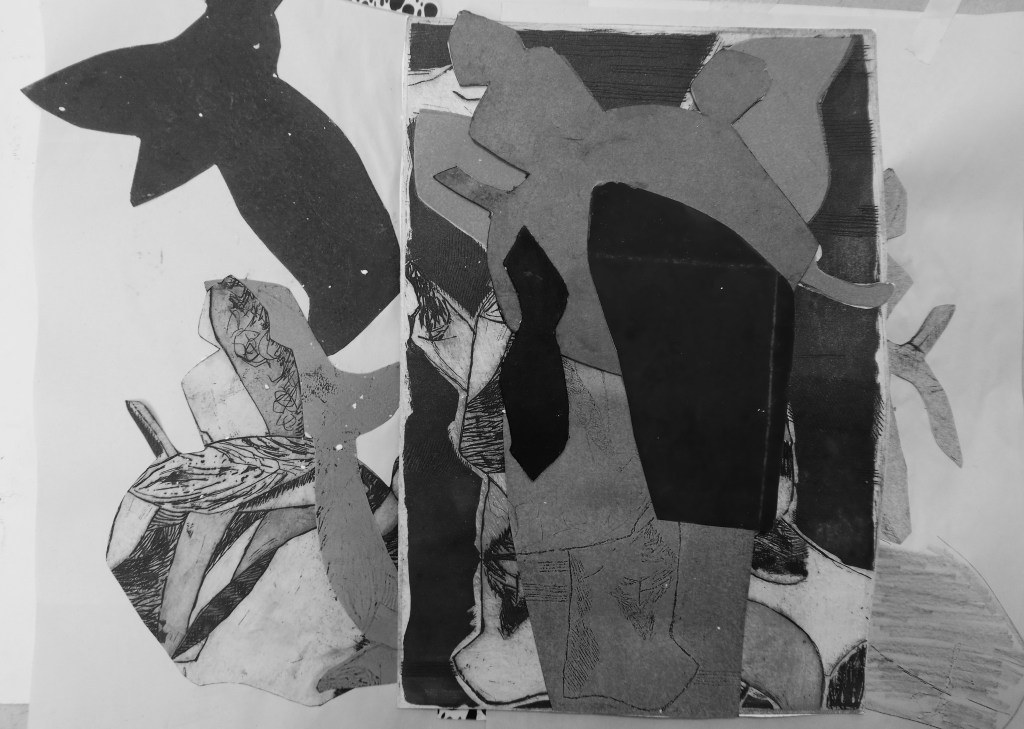
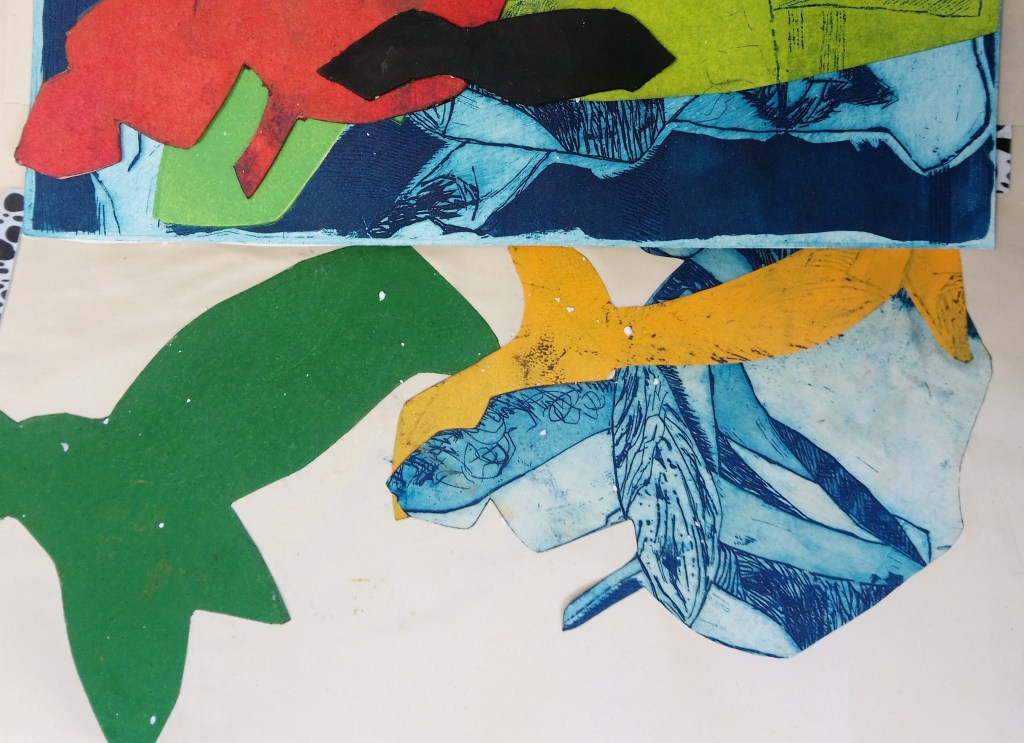
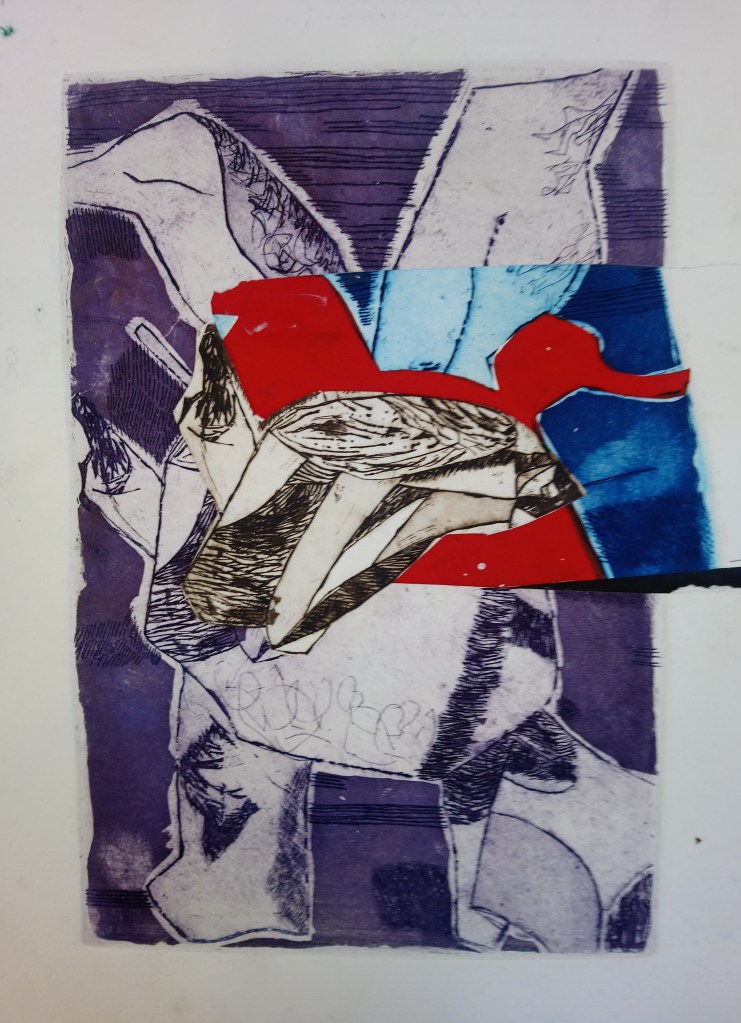
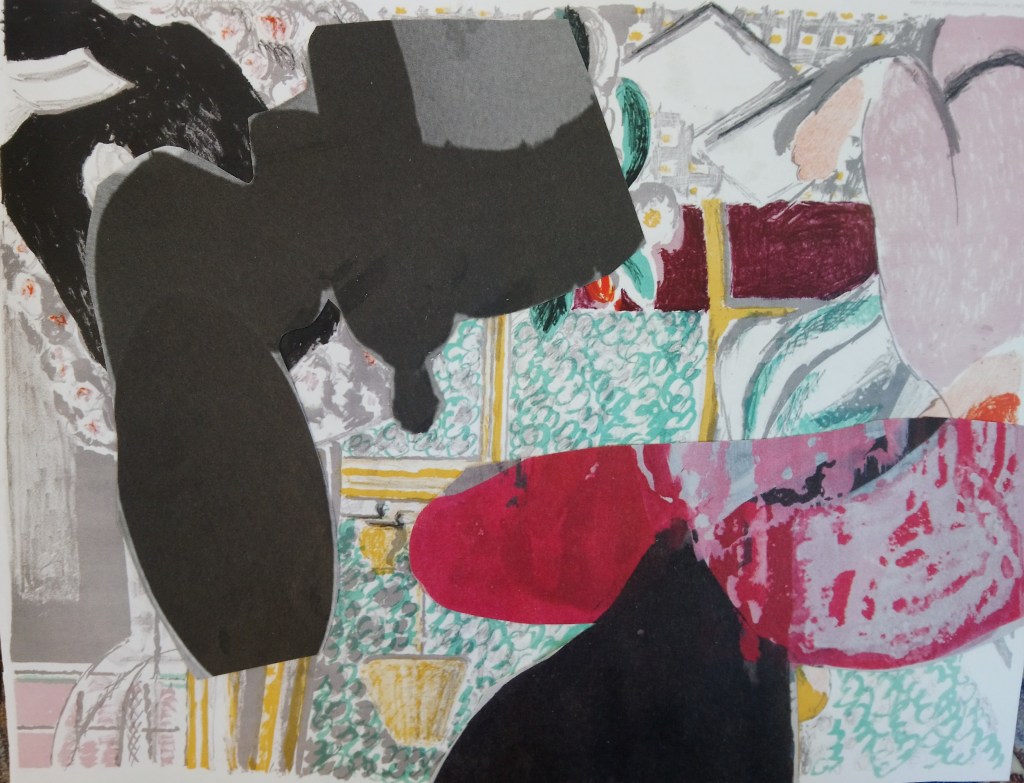
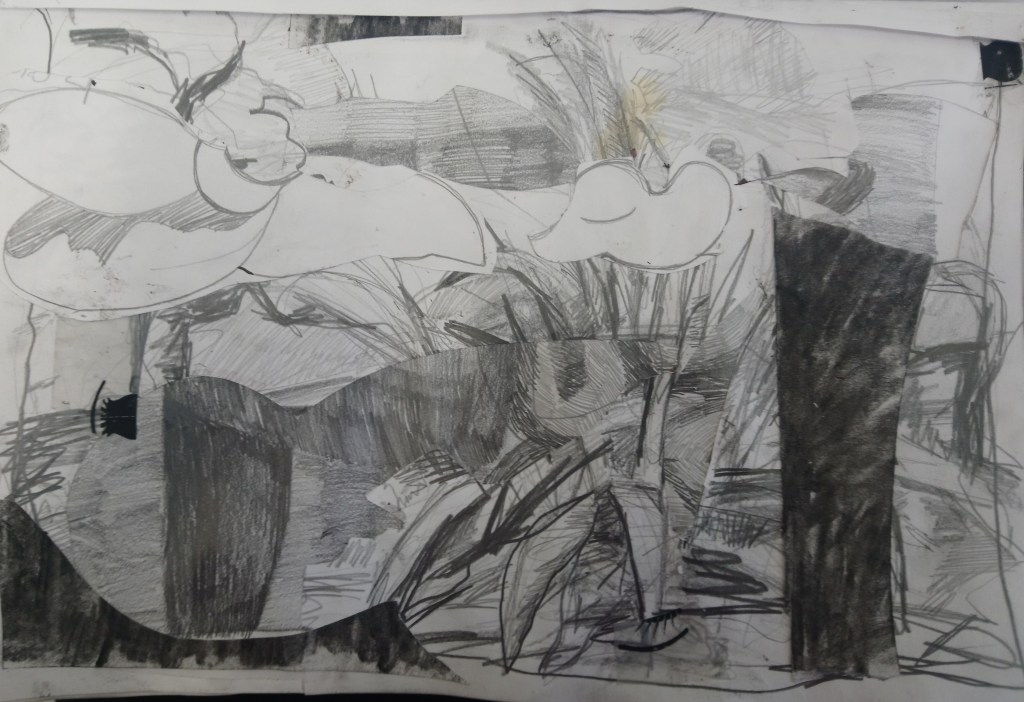
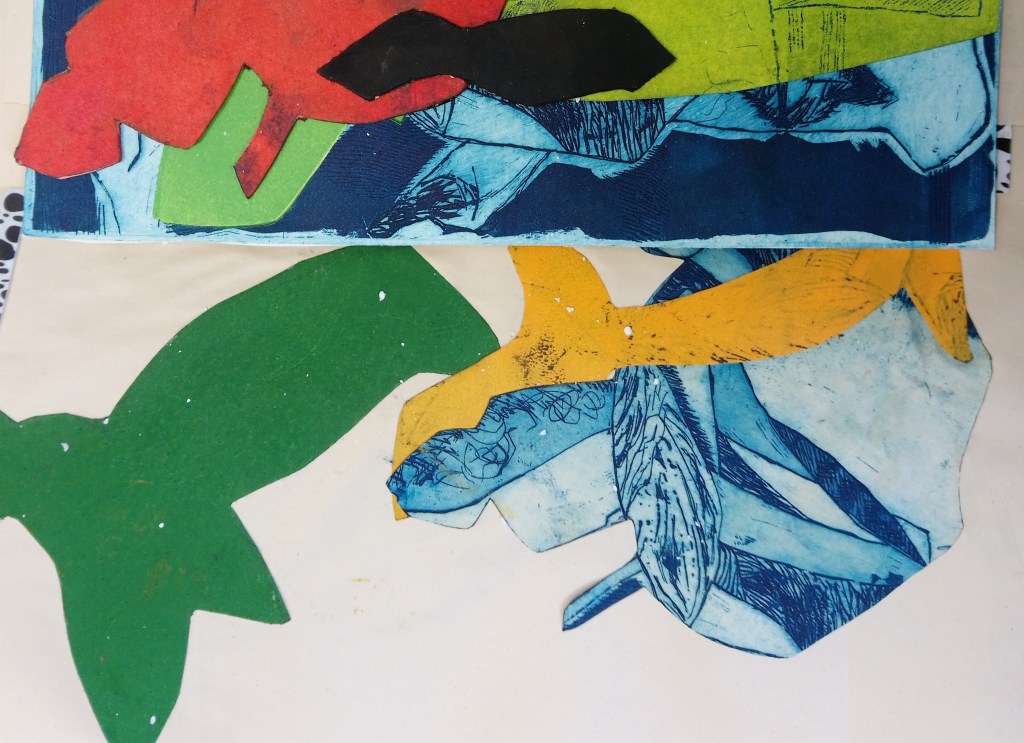
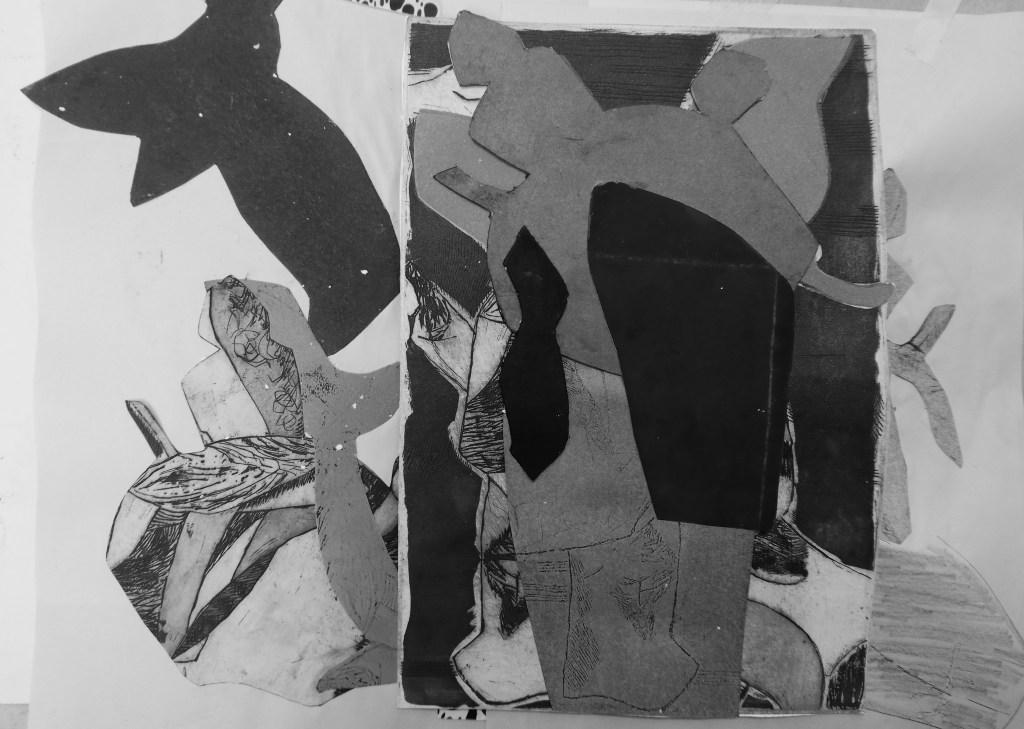
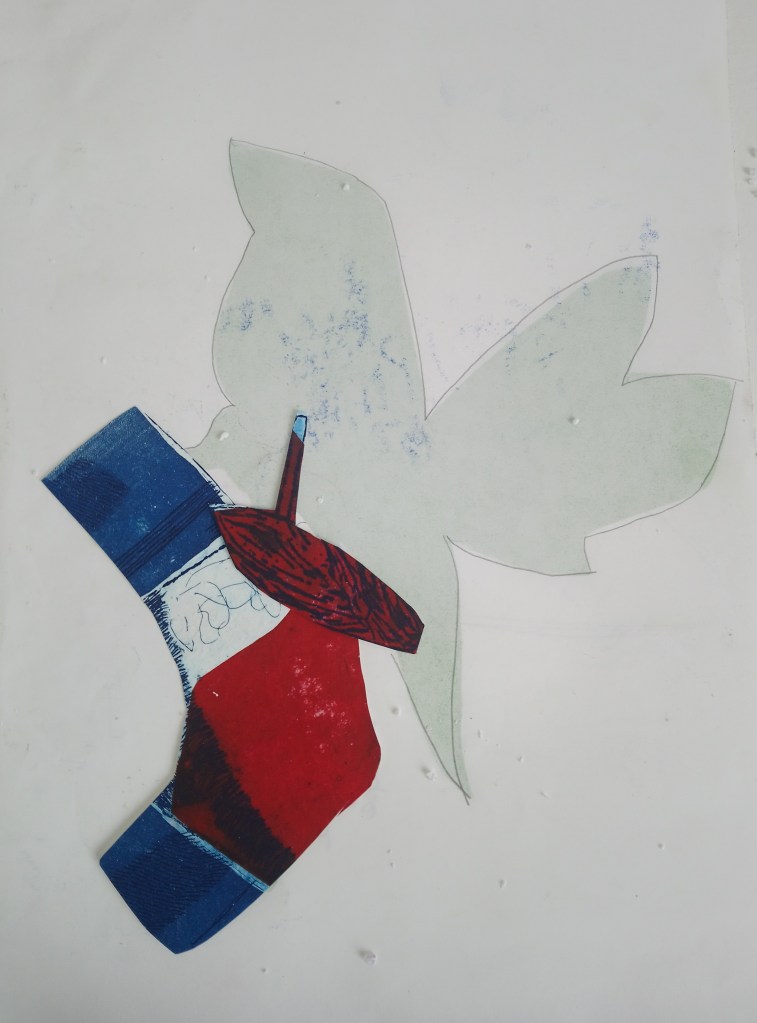
My work emerges as a developing process, it can start with collage made up of discarded defective prints, or it could emerge from Exhibition ephemera. I manipulate them by adding more cut out etchings. I choose one print and work in various ways, I destroy, push, pull, deconstruct, construct and collapse the image resolving in a process of constant abstraction and figuration, this is the thing which appears, not the thing in itself. I don’t have a preconceived idea it’s a call and response.
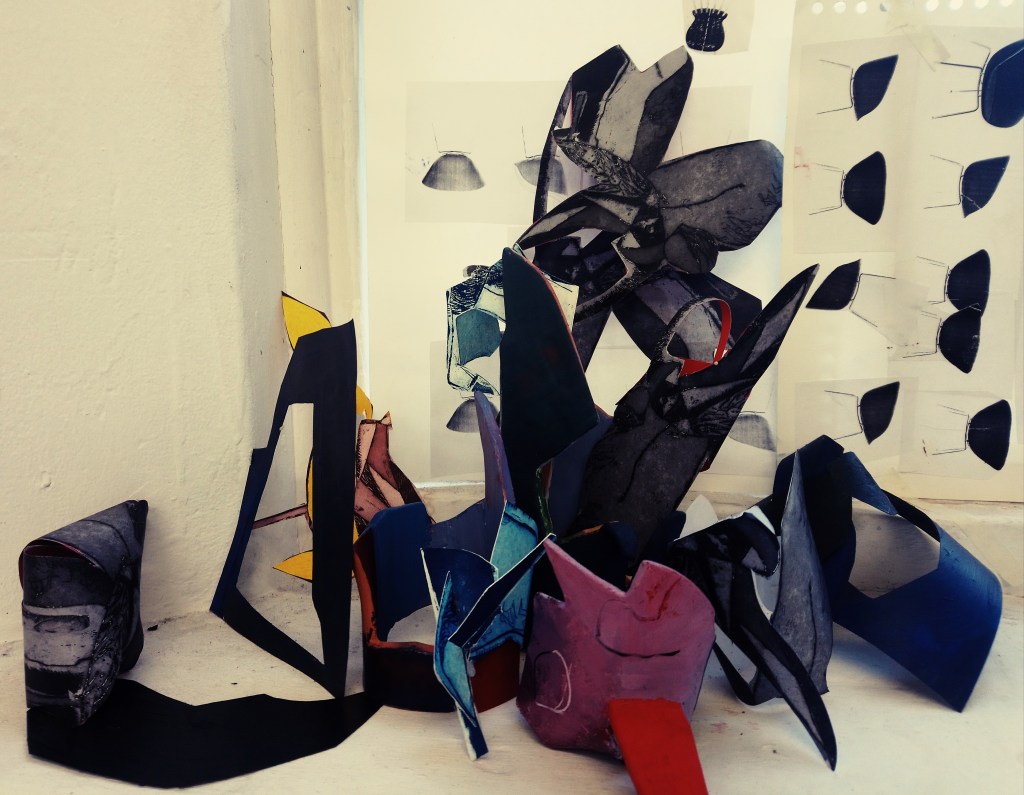
The 2D collages reach out in relief, they feel sculptural in themselves, I take the opportunity from this 2D collages to go into 3D sculpture and them back to the 2D painting, is a back and forward process mirroring the work of Michael Lady With his 3D collages .
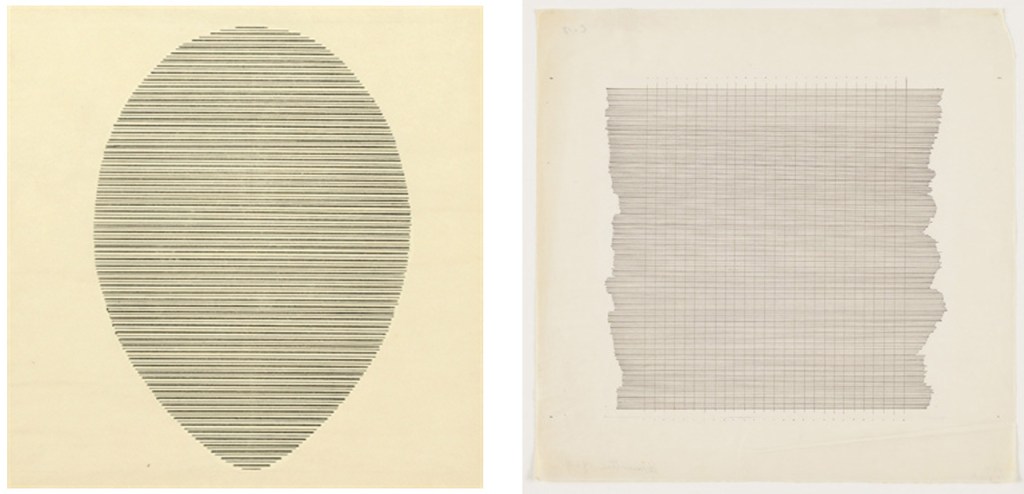
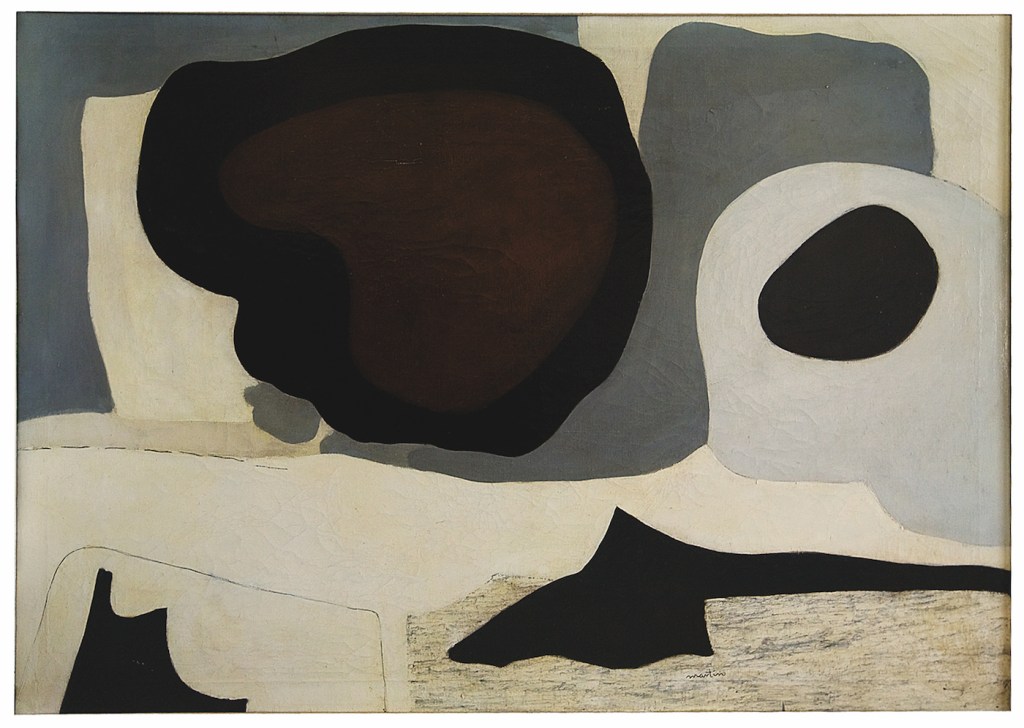
My practice drawn from a range of sometimes contradictory sources, on one hand, I am attracted to the simple and minimalistic of the pieces Miles Davis music "Siesta" and "Human nature" the empty spaces in between the solos attracts me. The same occurs with the painters Agnes Martin and Elsworth Kelly, parts of the painting are resting from shapes and colours, it is an empty breathing space next to the simplicity of the form.
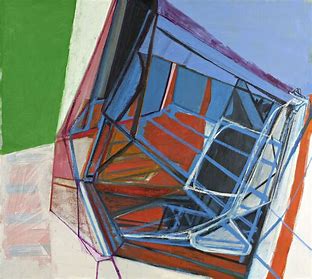
On the other hand I am drawn to the materiality of Amy Sillmans and Gillian Ayres. Their work infuses the complexity of the layers of paint and paper showing the history of the process and the interaction between the shapes, colours and mark making.
I perceive that my work is spontaneous and playful, intuitively mixing elements from observation and imagination. I am planning in the future to start to work with the prints on a much larger scale. I would like to incorporate stronger paper and wood as a support, to extend and make combinations of the etchings into 3D installations with them adding sound.
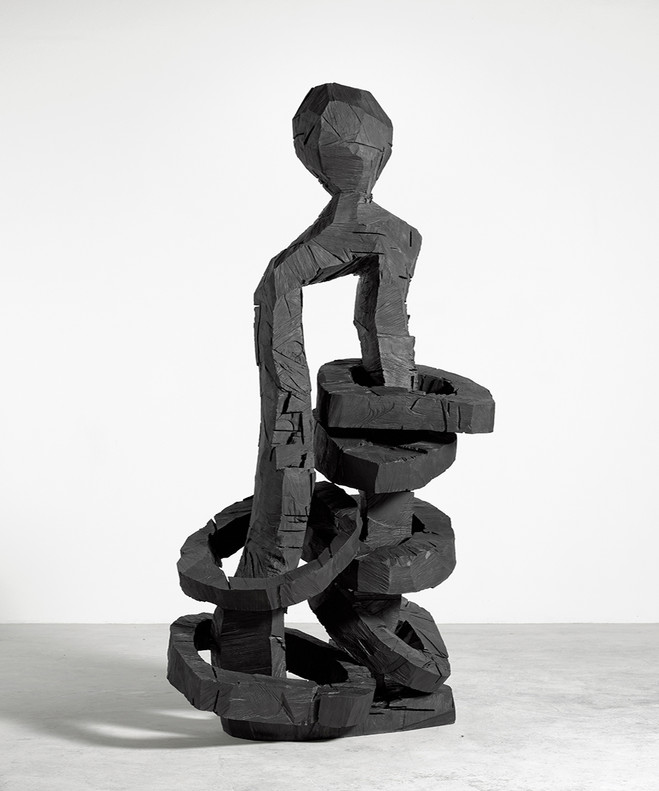
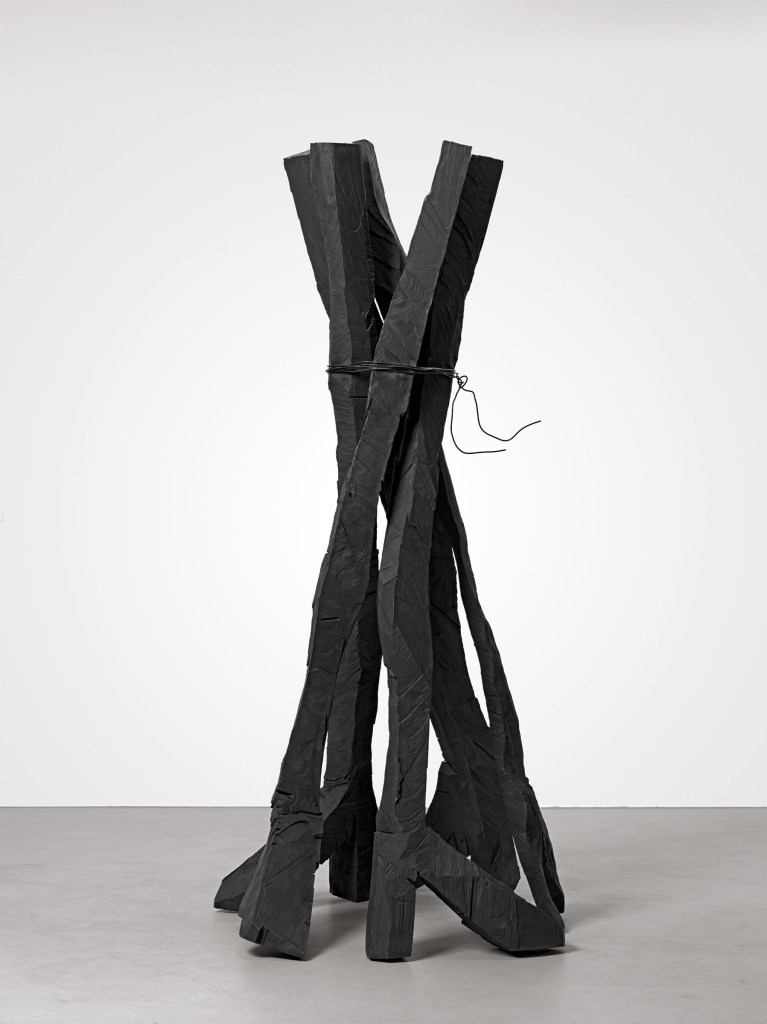
Georg Baselitz 1938 .In the 1960s he became well known for his figurative, expressive paintings. In 1969 he began painting his subjects upside down in an effort to overcome the representational, content-driven character of his earlier work and stress the artifice of painting.[1]
He was born in Germany. He grew up amongst the suffering and demolition of World War II, and the concept of destruction plays a significant role in his life and work. These autobiographical circumstances have therefore returned throughout his whole oeuvre. In this context, the artist stated in an interview: “I was born into a destroyed order, a destroyed landscape, a destroyed people, a destroyed society. And I didn’t want to reestablish an order: I had seen enough of so-called order. I was forced to question everything, to be ‘naive’, to start again.”[3] By disrupting any given orders and breaking the common conventions of perception, Baselitz has formed his personal circumstances into his guiding artistic principles.[4] To this day, he still inverts all his paintings, which has become his unique and most defining feature in his work.
BRAKING THE COMMON CONVENTIONS OF PERCEPTION. THE SAME IS HAPPENING IN MY FAILED OBJET, IS ABOUT A BODY BUT I CHANGE THE PERCEPTION OF SEEN A BODY. WHY ? BECOUSE I CAN TRAIN MY MIND TO BE INVENTIVE AND FLEXIBLE.
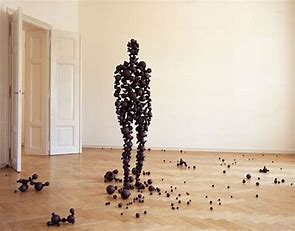
Antony Gormley is widely acclaimed for his sculptures, installations and public artworks that investigate the relationship of the human body to space. His work has developed the potential opened up by sculpture since the 1960s through a critical engagement with both his own body and those of others in a way that confronts fundamental questions of where human beings stand in relation to nature and the cosmos. Gormley continually tries to identify the space of art as a place of becoming in which new behaviours, thoughts and feelings can arise.
THE RELATIONSHIP OF THE HUMAN BODY TO SPACE. WHERE HUMAN BEINGS STAND IN RELATION TO NATURE AND THE COSMOS.
Animation workshop at Royal Drawing School with Jonathan Farr, now after some years I Will do a new animation, I am going back and foward from past Works and i bring them to the present.
Animation weekend workshop. VIMEO-JONATHAN FARR. 26 MAR, 2015 TITLE ICARUS.
this was an animation workshop, and it will be a new future work, now at the the RCA studio I planted the seed for the next animation.
I participated to create this animation during a course at the Royal drawing school of art, now at RCA it came back the idea to do collaboration with Jonathan Farr again for an animation.
Now we are exploring different medias maybe that’s why I am open to new things I have just done one animations in all my live and I don’t have experience but I am really excited to do this new work.
Been easy and joyfull, understanding why I do the things I am doing, trying to get to know my identity and loosing at the same time.
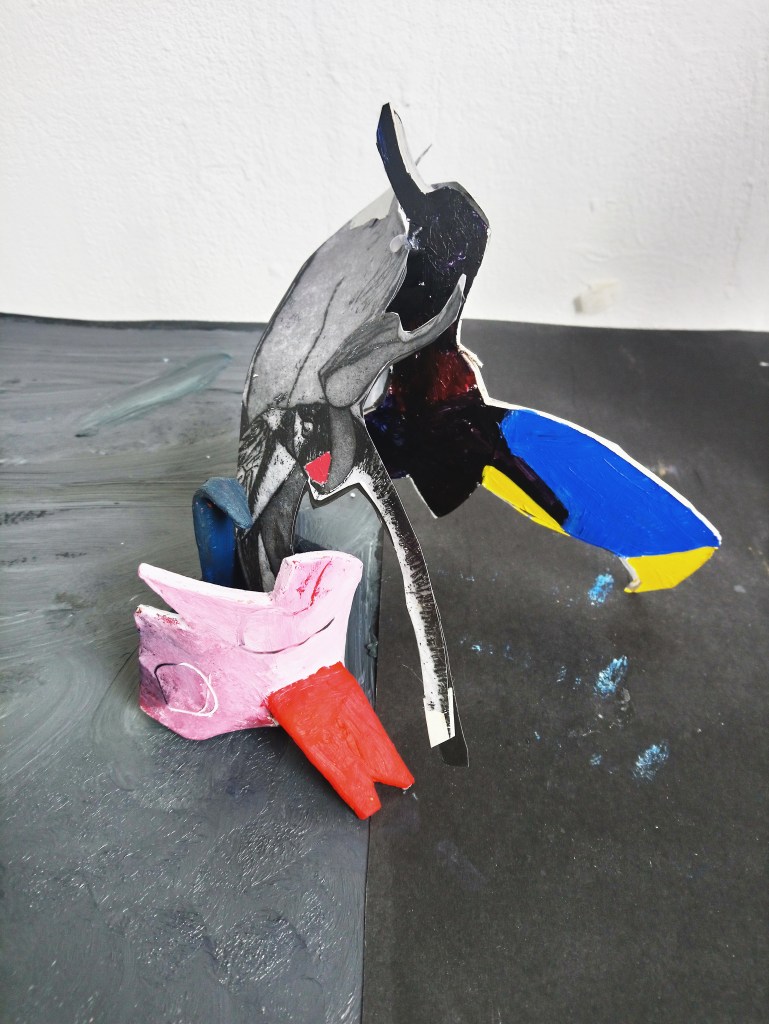
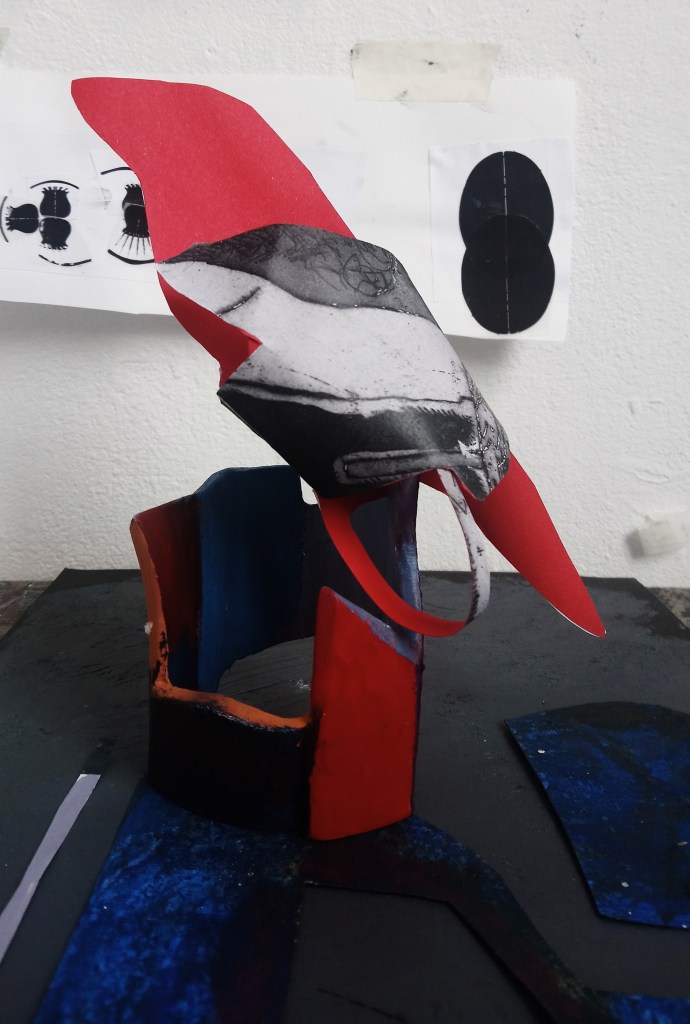
My future Will be in 3D.back and forward and the interaction between ready made objects and my objects. TODAY IS ABOUT FAILURE.
THINGS ARE HAPPENING WHEN YOU ARE READY TO FAIL.
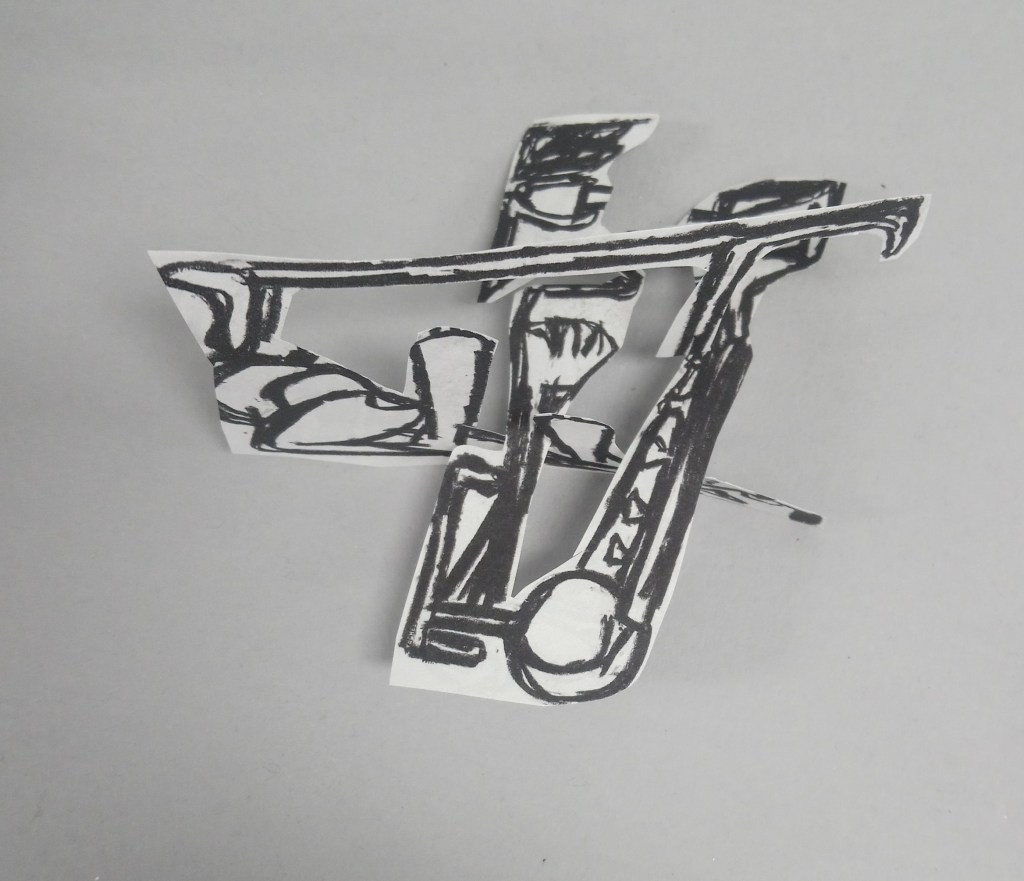
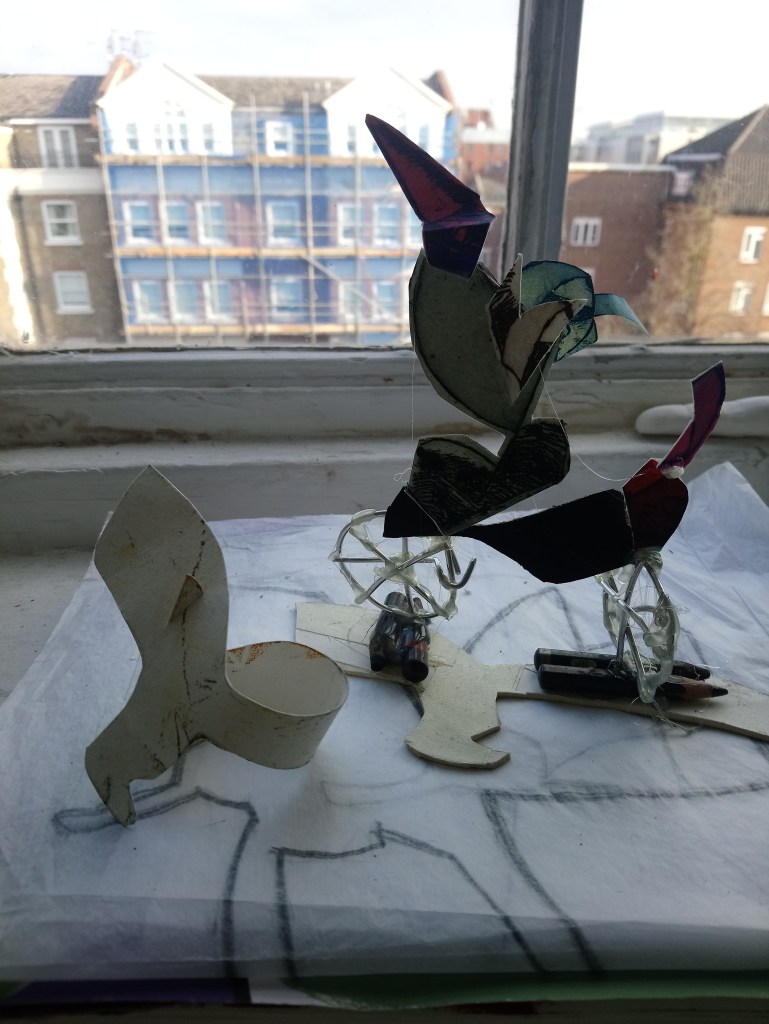
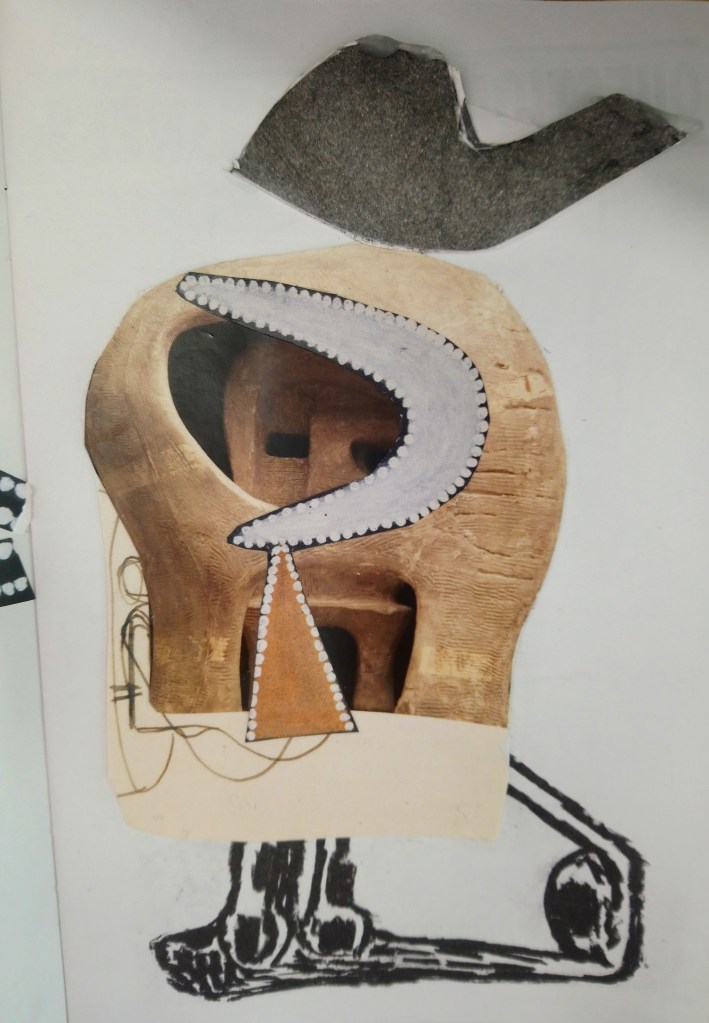
From some leaflets of Amy sillmans I created new 3d shapes,this was happening becouse i did not have any expectation, and the only expectation i had it was about to fail.
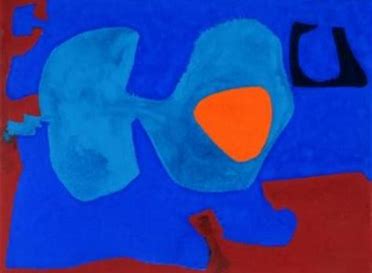
WHAT WERE THE MEMORIES WHEN I WAS DOING THE FAILED OBJECT? .Memories of Joan Miro this present moment, when i was studying in Barcelona, then in Italy, Birolli, Marino Marini ,Afro Basaldella. Now I am in London and Patric Heron is also in the present moment.
Maybe I have not been completely consious about that, but the shapes of the Failed object is telling me what is going on.
I am interested in the mute colours and meditative way of doing of Agnes Martin.
Her live is interesting and also her approache.
she was interested in Tao filosophy. and the minimal of her paintings are related with the country of -Mexico, where she lived for some years.
I am interested with her colours and shapes and her interpretation of the Mexico lanscapes.
In my installations I am interested in shapes, mute colours and saturated and unsaturated colours , the interaction between them, what is next to each other is relevant
Patrick Heron.
I keep looking this english Artist, the interaction between saturated colours and unsaturated colours, the tones and the shapes. I am interested with the music of visual Arts. colours ,shapes and tones can make a sound. Some images can change your mood the same with the sound and the taste. I think we all want to take the most of live and we want to feel Good and have emotions which makes you feel in Good mood.
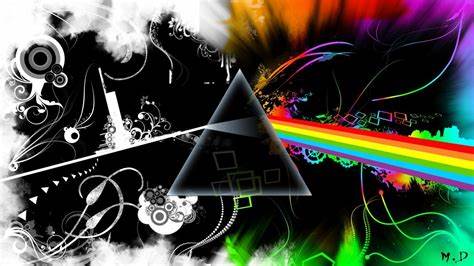
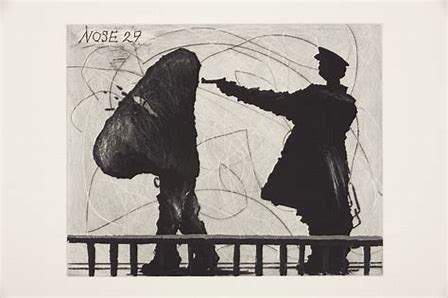
This new scenario is happening, in this new scenario it Will act Norbert Szabo musician and a song writter, Henry Simpson-Gray film maker, and I am doing the animations, my influences are and Will be Gerald Scarfe ,Jockum Nordstrom, Pink Floyd , William Kentridge and Amy Sillmans.
My intention is to make installations and drawings of the matamophosis of consciousness.
I’m talking in terms of present and future because I’m already planting the seed and is happening now in terms of unfolding the time. I am just recording some research on my block for the fun project.
William Kentridge.Animations.
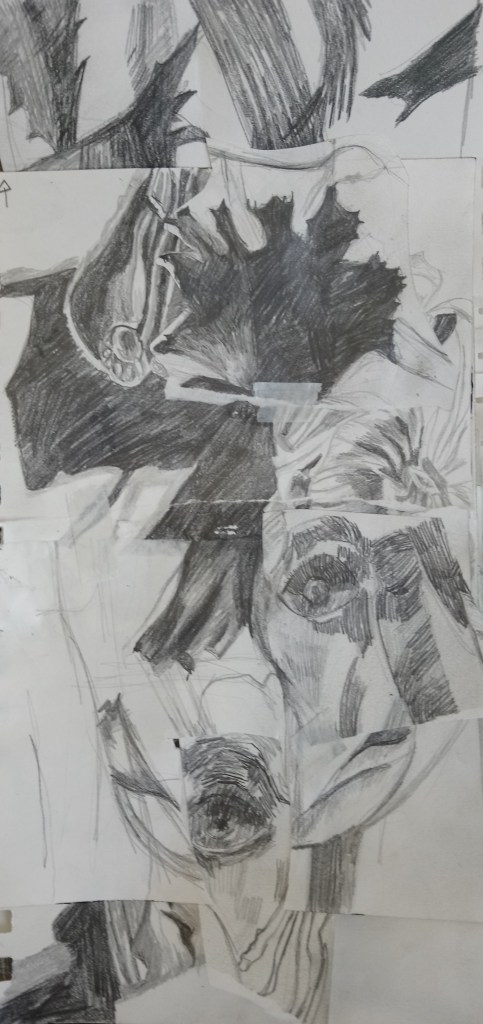
drawings for the animation.luisa Mascaro
drawings for the animations .luisa Mascaro
luisa Mascaro.for the animation film.
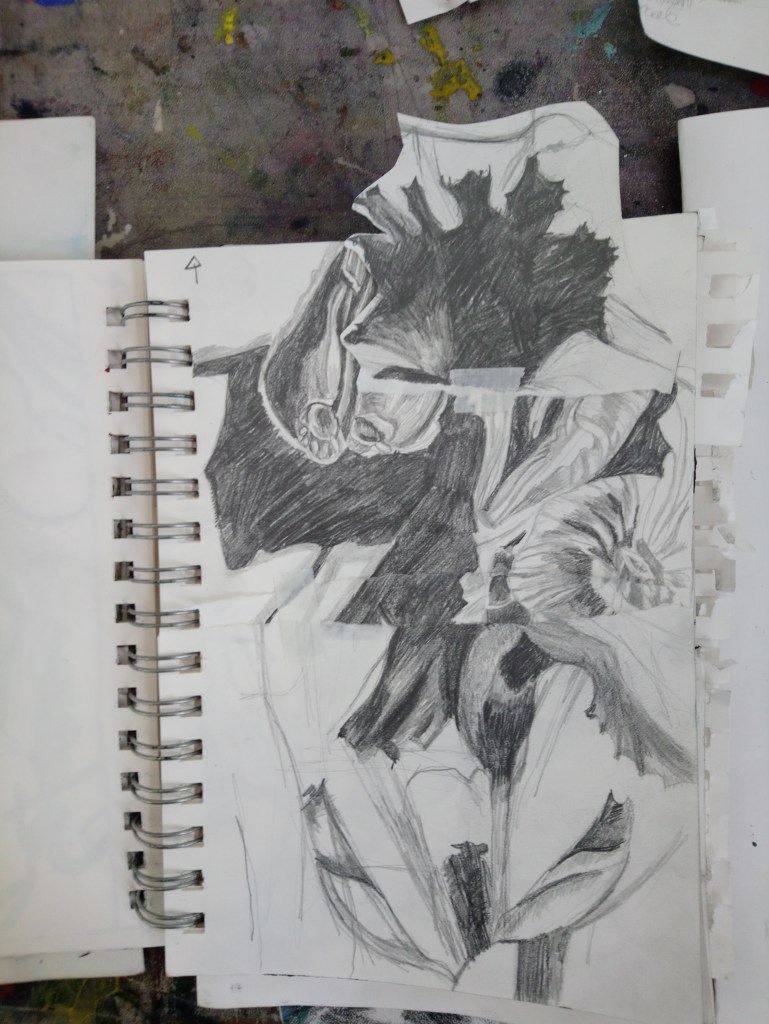
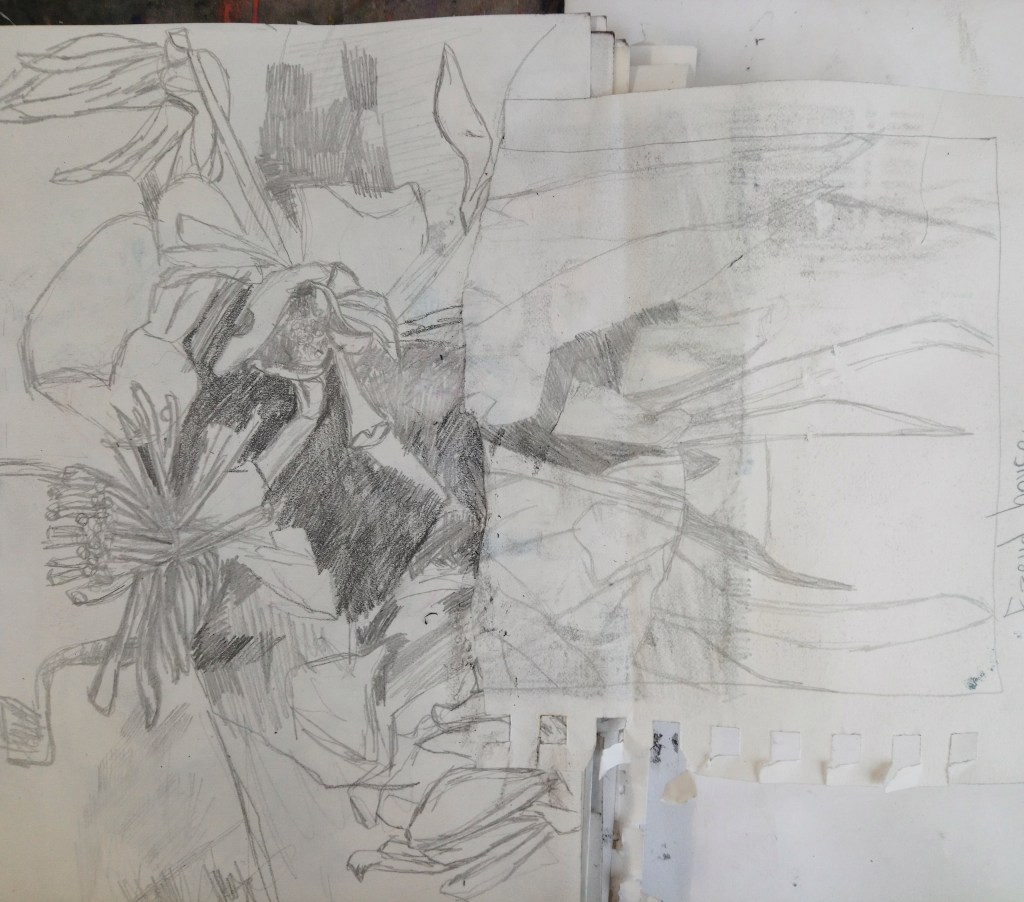
some ideas for the animation film.drawins of vegetables and flowers that Will change into animals or humans.THE DRAWINS OF THIS BLOCK ARE FROM LAST YEAR, I JUST WANT TO KEEP DEVELOP THEM FOR THE ANIMATION PROJECT BUT I HAVENT DONE THEM AT THE STUDIO OF RCA.
Amy sillmans.
Amy Sillmans animations will also be an influence on the film. The perspective of this painting is interesting becouse that remains me Dante’s cone, when humans go to hell. this is not related to the good and the bad, the point of this video is to go above the good and the bad, but at the same time to move forward in a higher consciousness.
from abstract installations and abstract objects or shapes Will become birds, from birds to humans, from humans to flowers, from flowers to monsters, from monsters to destructions, from destruction to new born, and like this going in circle. From black and white Will be color, from color to black and White.I think i Will have to look for an assistant it Will be my second animation and i know that for 30 sec i Will need to do a lot of drawings.
I DID THIS DRAWINGS LAS YEAR NOT AT THE STUDIO OF RCA.this are sketches for the animation, all of this drawings will be in constant transformations, and i will add some 3d objects.
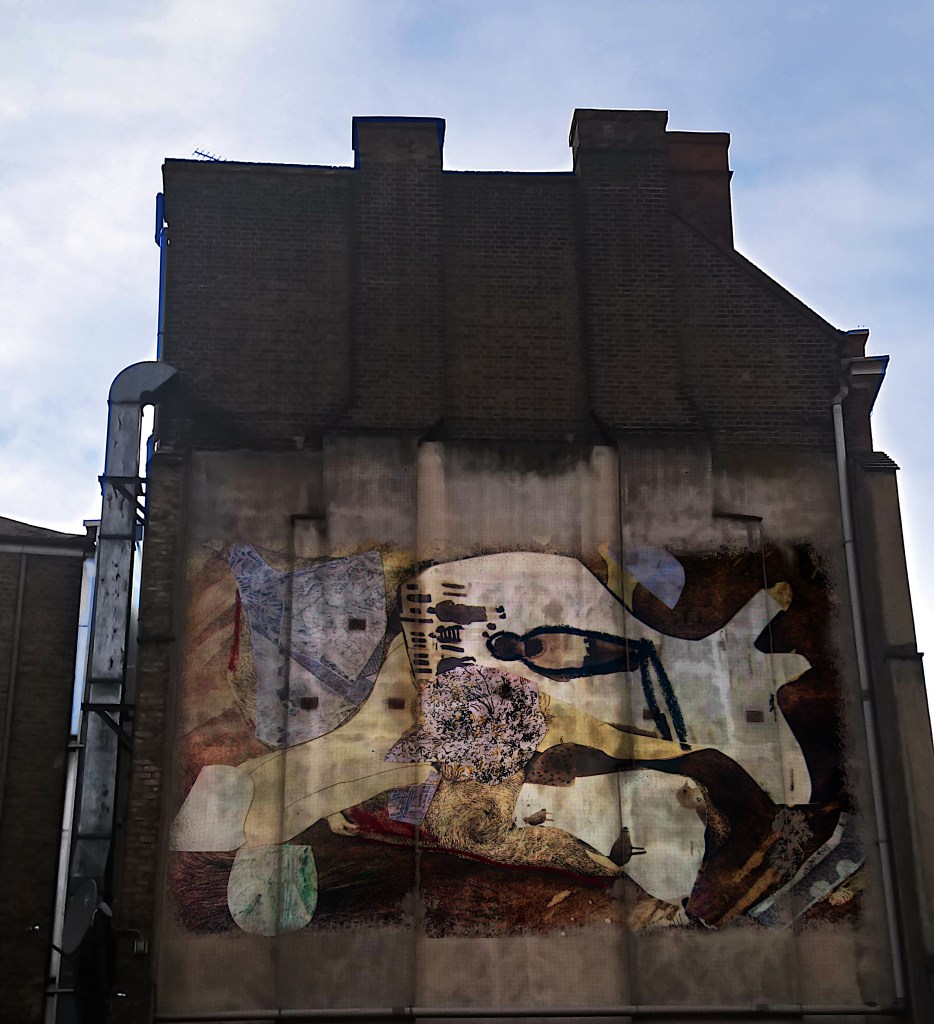
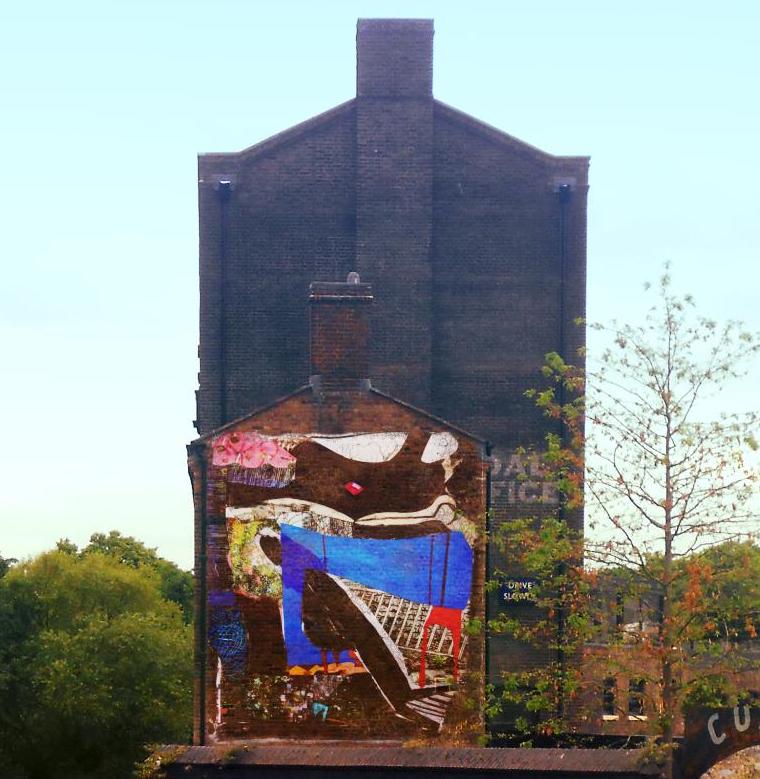
from this building Will appear a Monster. this graffiti from Luisa Macaro has not been realice.
from this building Will appear an exotic bird.This graffiti from luisa Mascaro has not been realise, is a fiction.
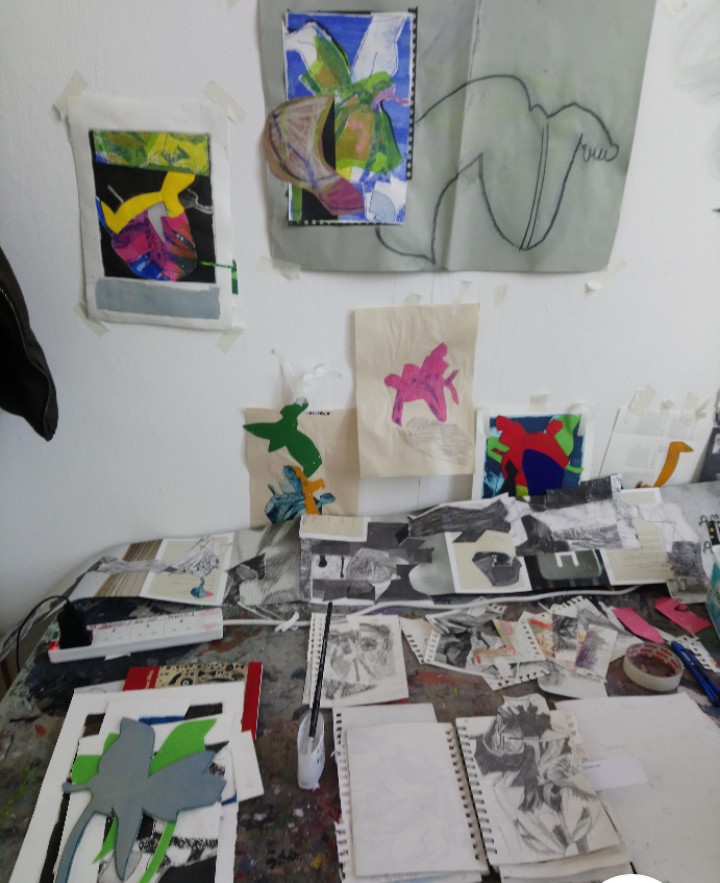
I DID THIS DRAWINGS LAST YEAR.Monster and the exotic bird Will be playing all the video. going up and down.this photo is from last year studio at KCC.I would like to make an animation from this shapes and everything Will be moving and becoming other shapes, is an ongoing Project.
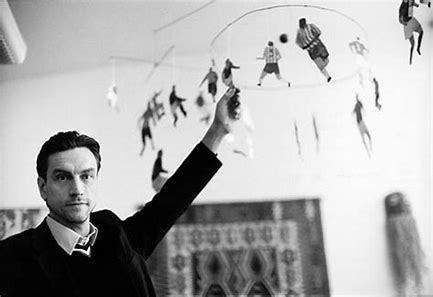
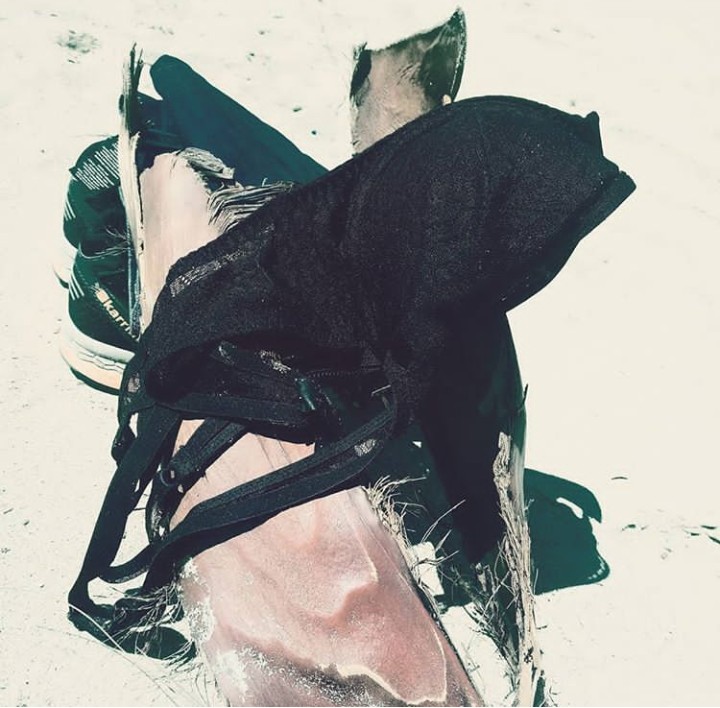
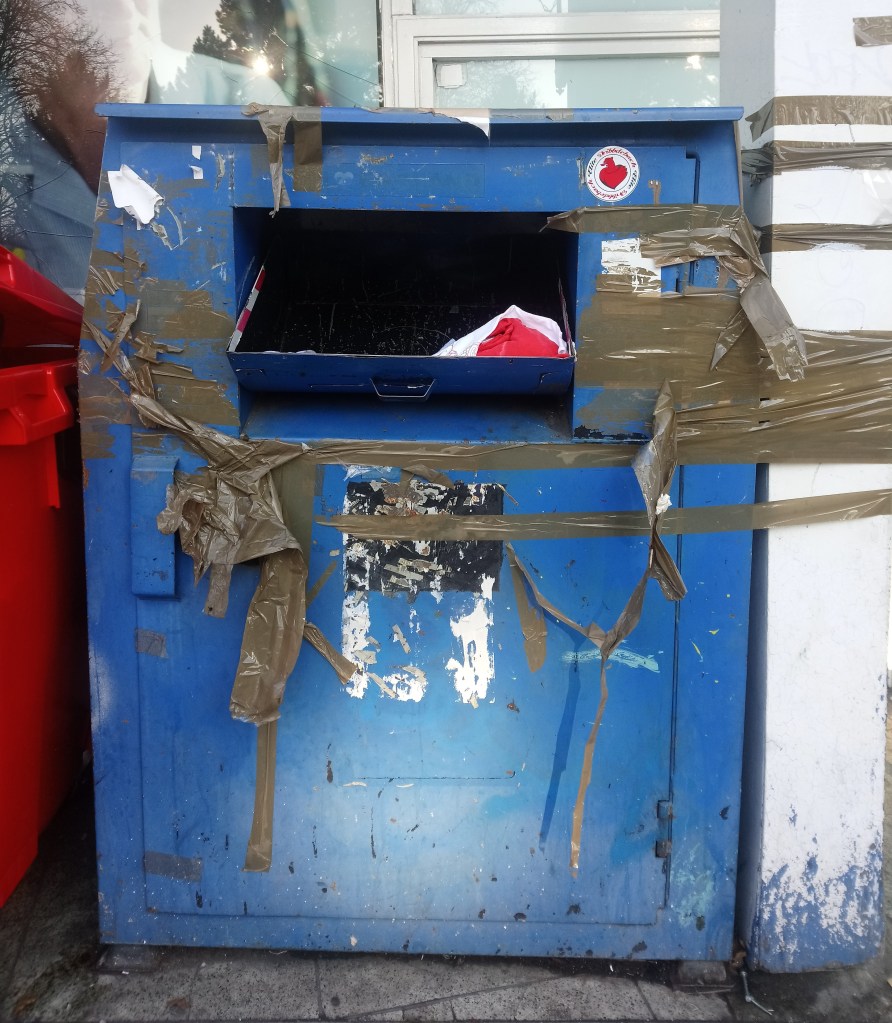
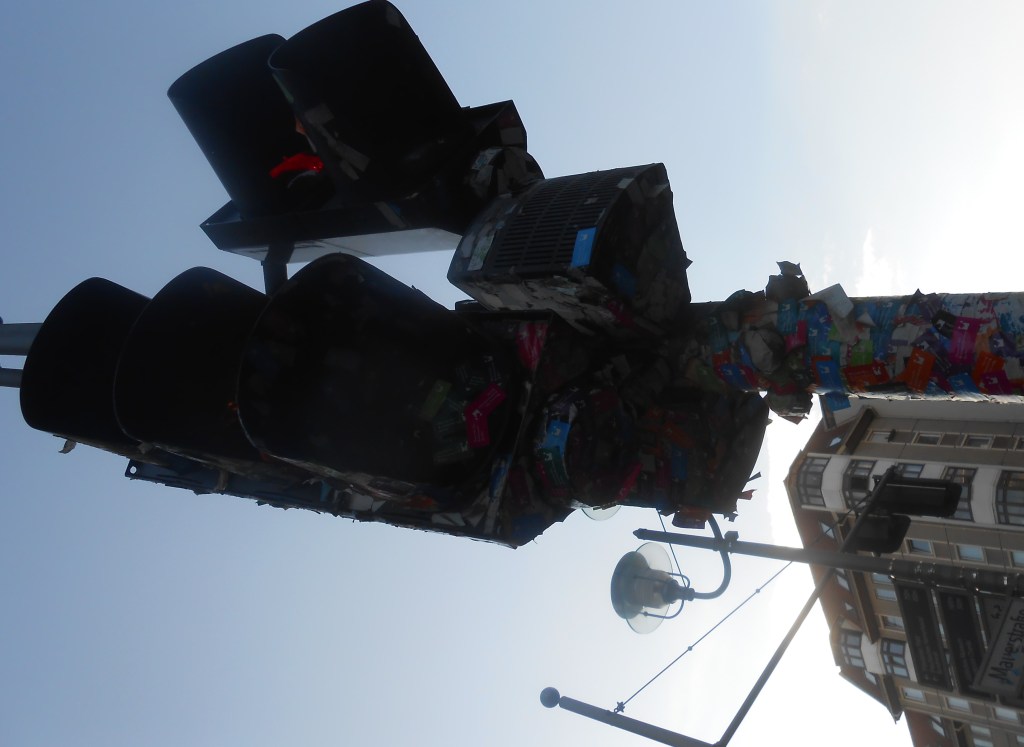
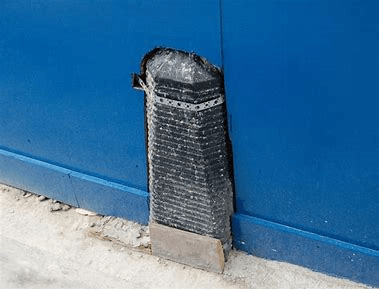
Luisa Mascaro.Justaposition of idfferent materials.Ready made objects..I did this photo before I began my studies at the RCA , after 8 months and looking at Richard Wentworth, I understand better why I did the photo. And I can see it with different knowledge and for me it makes more sense now.Luisa Mascaro.Justaposition of different materials.It was Good idea today staying outdoors and not in the studio.Having seen before going outdoors Richard wentworth the streets of London were my studio.I am thinking to place some of my prototypes in the ready made found materials that are on the streets.
the Wood piece is from Giacometti.
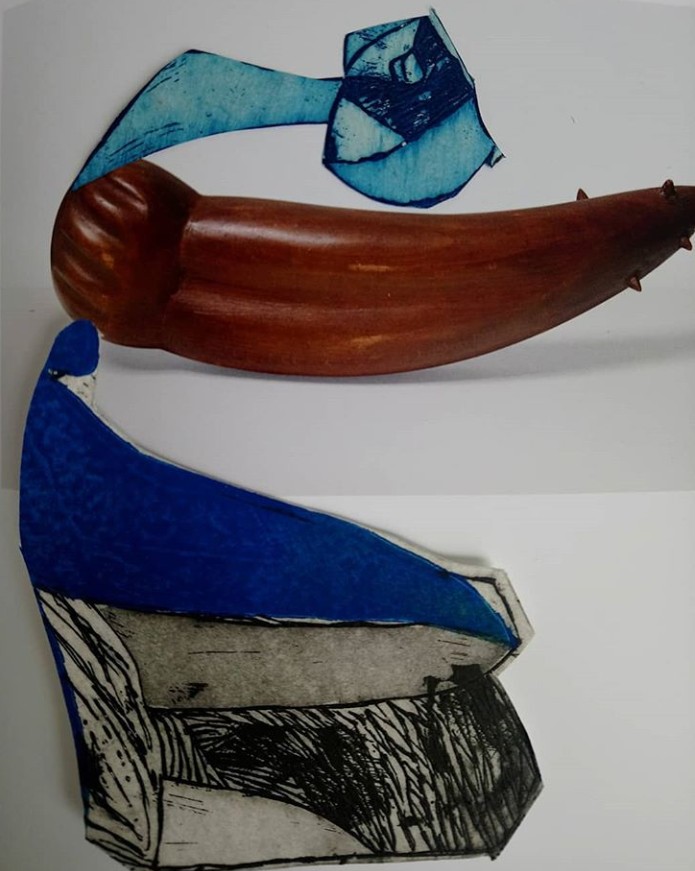
Luisa Mascaro.Ready made object with a broken print.
the Broken etching with Giaccometti. Composition of different materials with different backgrounds. Coherent whole.
I would like to add some of my prototypes to this photos,in real live or with Photoshop.
In the early 1980s Wentworth became identified with the New British Sculpture movement. Wentworth’s interest is the juxtaposition of materials and found elements that do not belong together. In the work Shower, Wentworth attached a small propeller to an ordinary table creating the impression that the furniture is about to take flight. For his 1995 solo show at the Lisson Gallery he created False Ceiling a flock of books suspended by wire from the gallery’s ceiling. For Art and Sacred Places in Winchester Cathedral he created Recall which speculated how the structure of the Cathedral might have been supported during its construction. Wentworth is also interested in the bizarre coincidences of urban life.
Henry Moore was a major British sculptor whose organically shaped, semiabstract and often monumental bronze and stone figures made him one of the most important sculptors of the 20the century.
Born in into a Yorkshire coal-mining family on 30 July 1898, Moore started training as a schoolteacher, until he was called to serve in World War I and was injured.
There, he spent time at the British Museum, discovering the power and beauty of Egyptian, Etruscan, pre-Columbian and African sculpture. Reacting against the European sculptural tradition, Moore moved away from the human figure to experiment with abstract shapes that made use of organic and natural forms – he studied bones, pebbles and shells to understand what he called “nature’s principles of form and rhythm.”
SOME OF THE SHAPES ARE FROM THE BORN OF VENUS PAINTING (THE BLACK YELLOW AND BLUE SHAPES), AND SOME OTHERS FROM AMY SILLMANS ARTIST. OTHERS FROM HENRY MOORE WITH AMY SILLMANS.
LINES AND SHAPES, BRIGHT COLOURS AGAINS BLACK, PUSH AND PULL.
HANS HOFFMAN.PUSH AND PULL.
experiment with abstract shapes that made use of organic and natural forms – “nature’s principles of form and rhythm. Henry Moore.
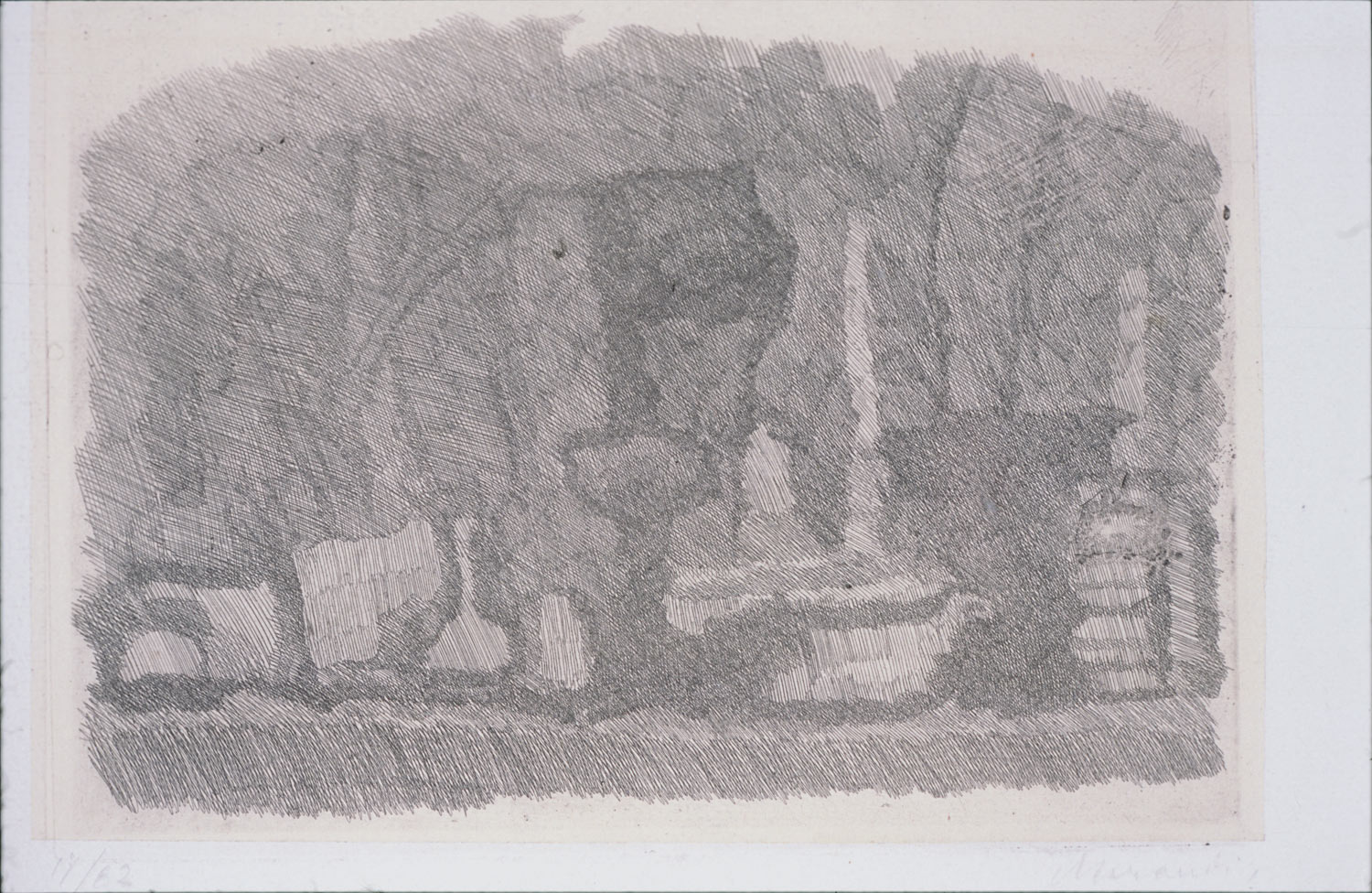
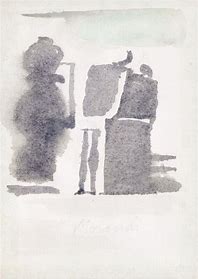
Agnes Martin.Georgio Morandi.
Georgio Morandi and Agnes Martin, these two artists bouth very introverted bouth are using mute-colored, were interested in the shapes in between the shapes. Agnes Martin more into meditative aproache and minimal image. I am interested in the same things in this Project.
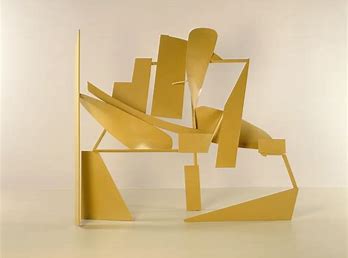
I did this painting last year, but now is back into the RCA studio. I want to make an sculpture from this painting inspired by Anthony Caro.the shapes of this painting are from still life, my intention is to deconstruct this painting and make it into separate planes leaving space in between each plane, for this model/prototype Anthony Caro and Morandi are my influences.
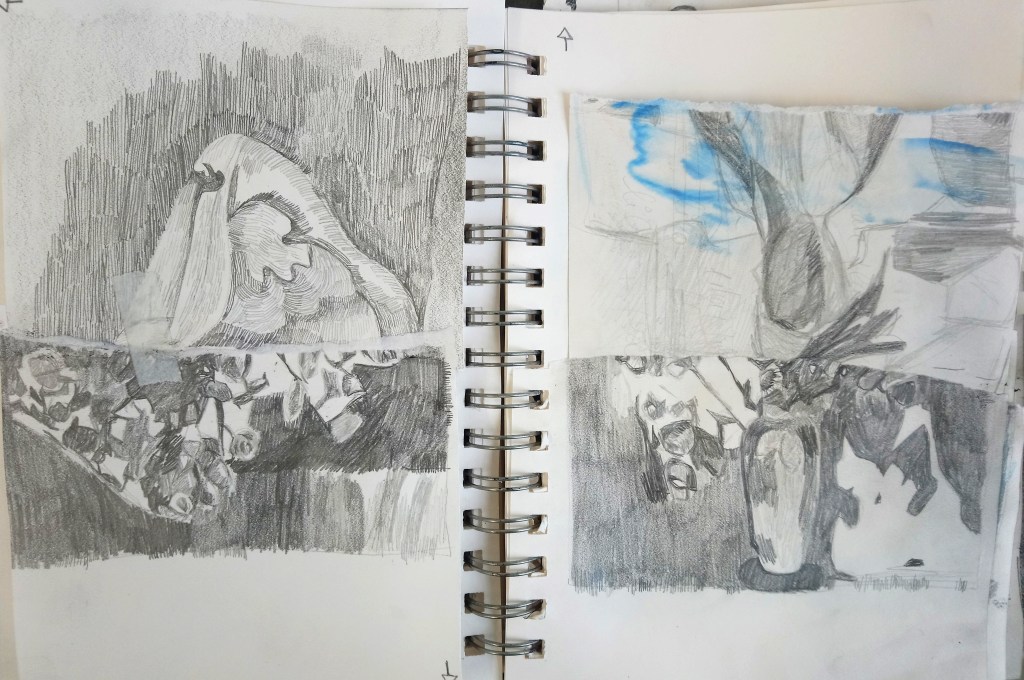
I Will do a model of this painting with cardboard(flat shapes)and some shapes that Will not be flat they Will be with Porexpan. I will focused on subtle gradations of hue, tone, and objects arranged in a unifying atmospheric haze.tMorandi had this way of painting his still life.
Bits of capboard Will be bent, buckled and twisted before being welded together to articulate space and create rhythm and movement.
HOW EMPTY SPACE AND LINEARITY COULD TRANSLATE INTO SCULPTURE.
Research of materials. porexpan, cardboard and plaster. For this piece I would like to use a material that is like silver and easy to bent.
Research of Anthony Caro and Morandi.
Morandi. The shapes in between the object.still life.
GEORGIO MORANDI.
The Metaphysical painting . This was to be his last major stylistic shift; thereafter, he focused increasingly on subtle gradations of hue, tone, and objects arranged in a unifying atmospheric haze, establishing the direction his art was to take for the rest of his life.
Sir Anthony Caro (British, 1924–2013) was a sculptor best known for his abstract constructions made of steel, bronze, lead, and wood. He trained at the Royal Academy Schools in London from 1947 until 1952, while working as an assistant to the sculptor Henry Moore. Caro began welding steel into abstract forms and painting them in one primary color.
In the late 1960s, Caro created a series of Table Pieces, which resist becoming models for larger works by incorporating tool parts that relate to the scale of the human hand. Throughout the 1960s and 1970s, Caro was concerned with how empty space and linearity could translate into sculpture. Emma Dipper (1977)—part of a series made of Emma Lake in Saskatchewan, Canada—resembles a steel line-drawing that seems to float in space, without a base and center. Caro avoided complete abstraction by maintaining a connection with the body; his work curves into organic forms, maintains life-size scale, and invites the viewer to walk around to understand the relationship between sculpture and space.
His work in the mid-1980s embraced this literalness more fully in work such as Night Movements—a sculpture broken down into four separate parts that asks the viewer to connect these parts—resembling physical movement, into a whole sculpture.
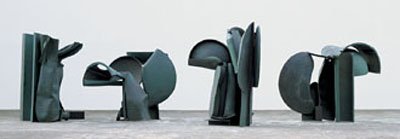
Anthony Caro,night movement sculpture.
his practice stimulated a significant extension of his sculptural vocabulary. As he explored the formal possibilities of such materials as brass, silver, ceramic and paper a new fluidity began to emerge in his monumental steel works. The large sweeping shapes of Night Movements, which belie the actual intransigence of the steel, demonstrate this new direction in his work.
Night Movements was Caro’s first multi-part sculpture in twenty-six years, the only previous example being The Horse 1961. It comprises four free-standing units, created from boiler cases, bollards, propellers and other pieces of maritime ephemera Caro found in the scrapyards of Chatham and Portsmouth. These bits of metal have been bent, buckled and twisted before being welded together to articulate space and create rhythm and movement. The relative positions of the units are determined by the use of a template supplied by the artist. Although each section of the sculpture has a distinct character, they remain related to one another in terms of colour, technique, scale and formal language. The careful siting of each piece in relation to the others is intended to ensure that the space between the different units becomes part of the sculpture. The spacing invites the viewer to walk among the parts, sensing their relative positions, changing scale and appearance. The viewer’s physical involvement with space is a central concern in Caro’s investigation of the architectonic aspect of sculpture, and is a major theme in the work of such twentieth century sculptors as Henry Moore and Richard Serra.
The work reflects Caro’s interest in existing works of art as sources of inspiration. In this case, the pictorial source of the sculpture’s emphatic vertical orientation, its large cupped planar elements, and its dark green stained surfaces have been ascribed by Paul Moorhouse to the tree motif found in the paintings of the French nineteenth century realist painter Gustave Courbet. There is, however, no literal equivalence between Caro’s work and its model. Instead, Caro has taken the essence of the figurative original and transformed this into an abstract sculpture whose forms are fully resolved in their own right.
Caro’s sculptures tend to be large in dimension, linear in form, and open or sprawling in character. Though some of his work adheres to a rigid, rational geometry (e.g., Sailing Tonight, 1971–74), his characteristic sculptures suggest lyrical movement, apparent weightlessness, improvisation, and chance. His Ledge Piece (1978), for example, commissioned for the East Building of the National Gallery of Art, Washington, D.C., seems to spill over its high perch from the pull of gravity. Caro came to be regarded as the most important sculptor since Smith and exercised great influence over a younger generation of British sculptors. He took the lead among modern sculptors in resting his sculptures directly on the ground rather than on the traditional pedestal. His sculptures of the 1970s were composed of massive, irregular sheets of rough steel, but in the 1980s he returned to a more traditional style, making semi-figurative sculptures in bronze. Caro taught at St. Martin’s School of Art in London from 1952 to 1979. He was knighted in 1987, and in 1992 he received the Japan Art Association’s Praemium Imperiale prize for sculpture


.jpg)



 Luisa
Luisa 