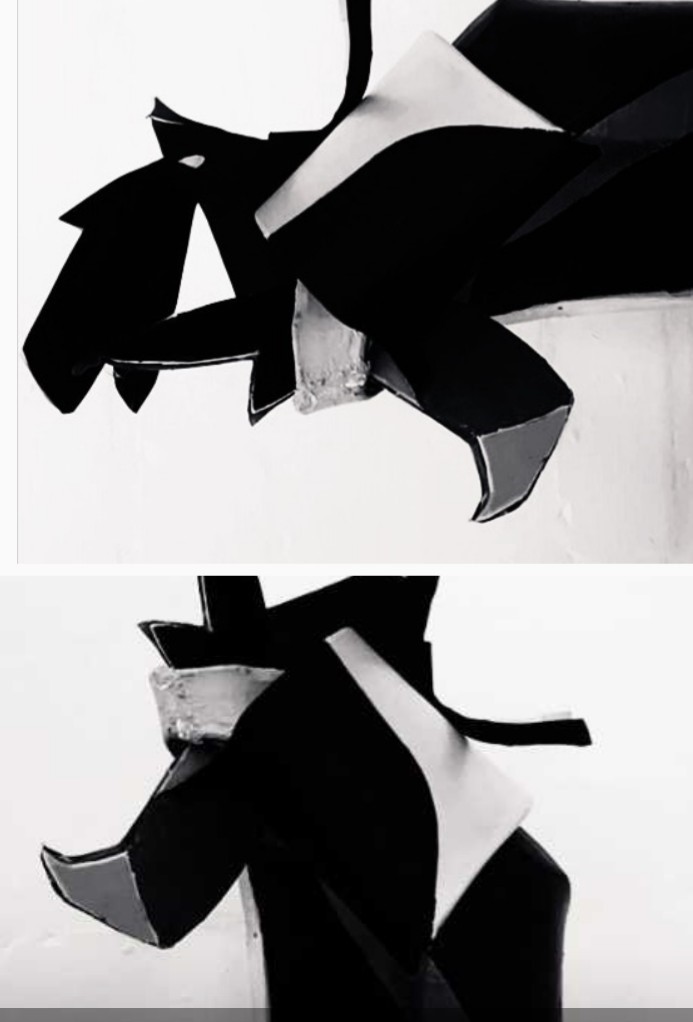
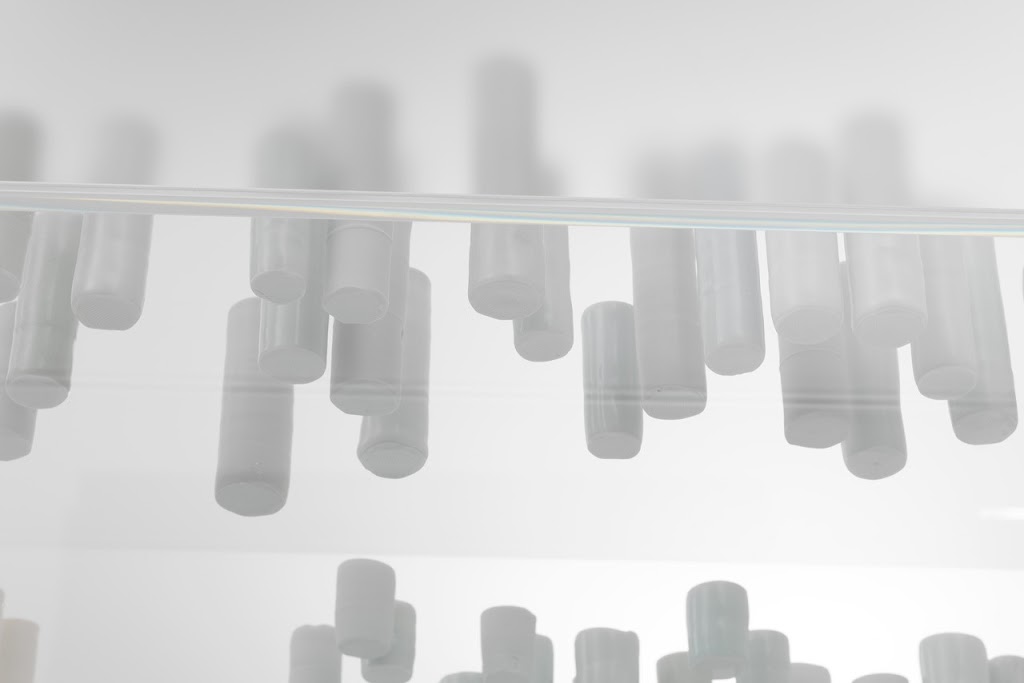
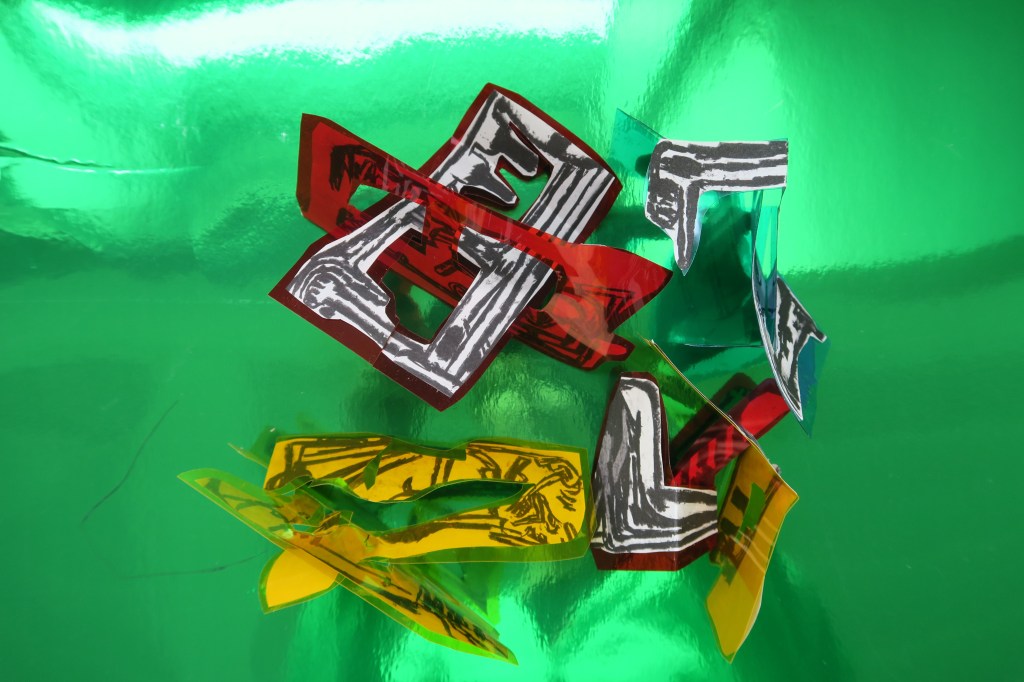
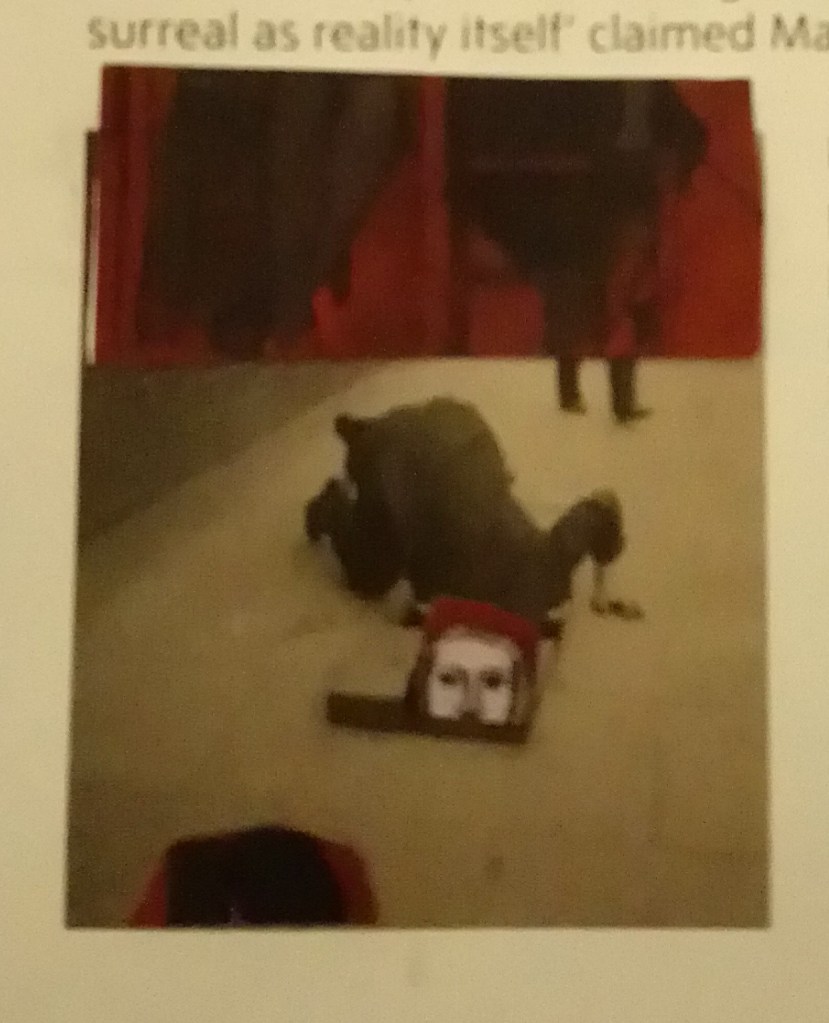
Critical thinking for the piece called duality , an approach that continues to cannibalise itself.

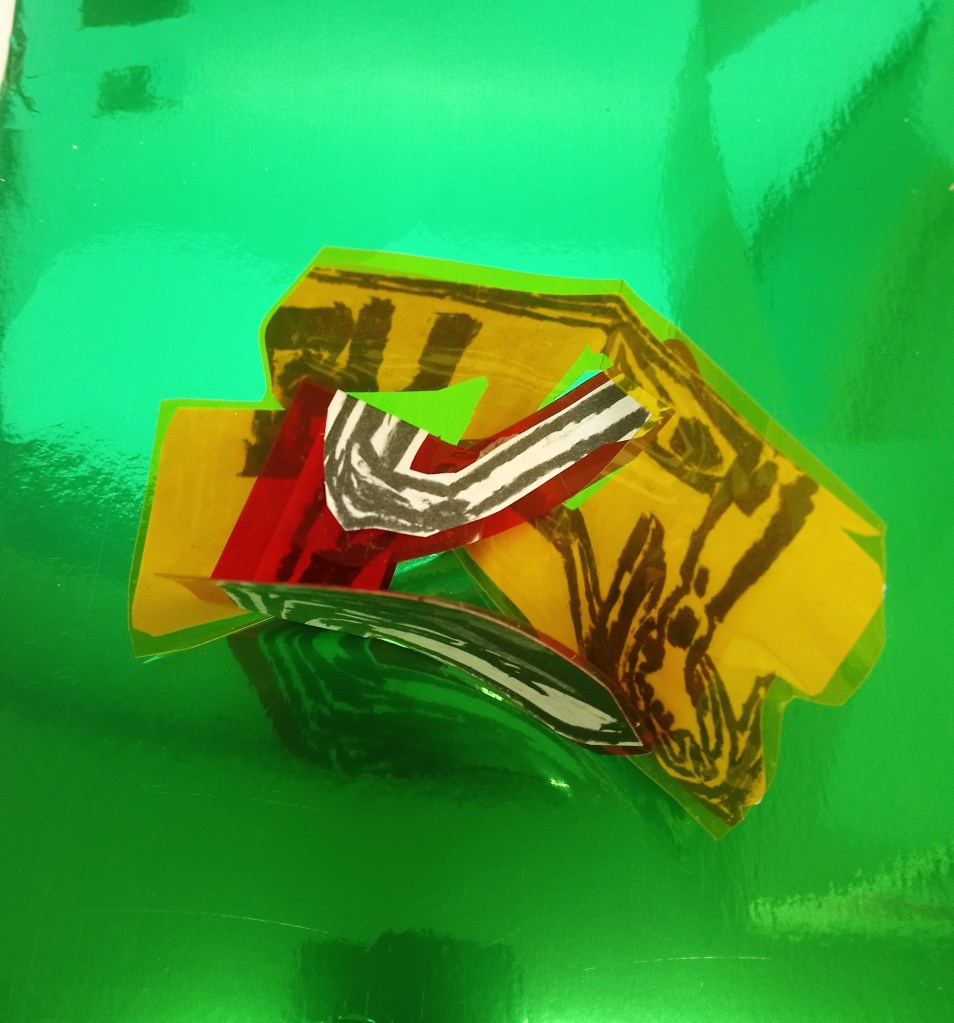
Rupert Harris critical thinking for this piece that I created during my flight to Barcelona, I needed a lift for my mood and I decide to check my work in my mobil to see if I could have new ideas and change destructive thoughts for creative ones during my flight. After the flight I contact my friend Rupert for a feedback and food for my mood , hope I entertain him also, I have a lot of consideration and admiration for him, he is a poet and a painter and his work is brilliant out of the crowd and absolultly not commercial but yes AUTHENTIC, saying that I am not saying that commercial art is not authentic, I Will keep speaking about this after a conversation with my friend.

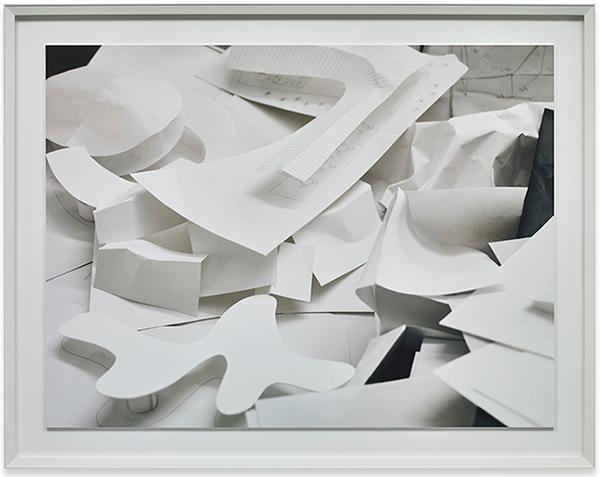
I told him that this piece Will be the final piece once I have added some letters with photoshop, his answer is that the photo makes a lot of sense in the context of your work. It’s yet another image generated out of its own reference point. Black and White also Works brilliantly well, in that it produces a tonal range that is flatter and could easily be a drawing. Making a drawing from the phot might actually be the next stage in an approach that continues to cannibalise itself. Your art explores a process of assimilation, not into some other external entity, but into itself, and in doing so transmutes into something new, rather tan into nothing. Keep up the Good work. xx

I did this piece one year ago before I start my studies at the RCA but now I am manipulating the piece changing colours of the photos and Photoshop. This piece Will be in constant transformation .

Duality. Carl Gustave Jung.

Influenced by Eastern phylosophies.

Jung adopted a dualistic framework of positive psycology he recognized that duality is the fact of human nature. Every good quality has its bad side and nothing that is good can come into the world without directly producing a corresponding evil.

One example of this duality is that we cannot achieve wholeness without integrating the dark side of the self.

Navigator writing.

NAVIGATOR PROJECT.

—————————————————————————————————————————–

WE call the project of Navigating London Tearing the Time.

Our project is about TIME and the CITY. We unfold time, we respond to this experience of  time in London  creating a video , I created some collages made from tearing  paper. We formed a triangle Chalkie, Luisa and the seagull. We explored three areas of the city across three times: past , present and future. The three areas were Westminster Abbey, Barbican and Canary Warf .

I will explain the three in a chronological order, starting from the oldest place.

Westminster Abbey, is the ancient soul of that area of London and represents an 800 year history where the human interaction with the building through marks on textures and surfaces allows us to travel through time. My response to the Abbey’s temporal journey was an interaction with the vertical and horizontal lines in the building that Ptolemy Dean( the Architect of the staircase  ) described.  I tear and stick papers in the middle of the collage with the shape of square stone that represent the stones of the history with marks left behind, and some vertical lines across the paper with different tones that represent the building.

The concept of time started at Barbican with a conversation between Chalkie and I At the Barbican we sensed the different speed of the people depending on the time of the day, the movement of the water depending on the direction the wind was blowing , the seagull came toward us and stopped  in front of us it remained stationary ,whilst  people ,wind and water were moving. Although the barbican is a new building the music of Vivaldi they play there is reminiscent of the past. Time was in our conversation, time being, the past of London , the present and the future. The exhibition of Lee Krasner at Barbican and I was fascinated by the colours, the materials she used and the layering of different papers. This process of working influences me. My response to the exhibition spending time in the Barbican, I began layering papers that I had collected at different times, I was looking for the interaction between the forms and the colours, I created a collage from the leaflet of the exhibition , I found some papers at the barbican and some old papers I had at home ,  these different papers gives the sense of history of the marks left behind.

 This is the connection with the film I have produce with Chalkie. Layers of time, layers of images, and finding the forms in between and the shapes that interact with the colour.

Canary Warf , we visited the Dockland museum of London and everything was about lines, photographs of destroyed boats full of lines, the destruction caused by the fire. The lines of the past and the lines of the present with the new buildings. We  recorded images from the present and we responded with a video, layering the images from the other areas together .

 I was inspired by Elsworth Kelly painter the way he draw and paint his geometric lines. My response to the dockland museum and Canary Warf  is a drawing made with pieces of torn etching creating a collage out of old etchings, I destroy them and reconstruct, now it is a new drawing with the pieces of etching left behind,  it is an analogy of the destruction of areas of London made by the two fires  of London . This new drawing is geometric like the buildings and the streets in Canary Warf, I was inspired by Elsworth Kelly painter the way he draws and paint his geometric lines.

 The Final work in collaboration.

We  produced a Video  after this three experience , In this video we are showing opposite areas of London  at different times. Everything is happening  simultaneously  in the video, The images that we have chosen are water, air, seagull and buildings. The first three have been always there, the buildings are new, the buildings of the present.

 The boats, buildings, us and seagulls are cradled between the earth and the sky .This can be seen in the video how they are situated in between,  At the same time the sky is coming toward us forces against one to another, the opposites.

We are layering the photos to have the feeling that everything is happening now.

We don’t add any sound because we leave the original sound of what is there at that moment.

Bibliography.

Jorge Luis Borges. Labyrinths. Edited by Donald A. Yeats and James E. Irby . (Penguin Modern Classics 1970)

Eleonor Nairne. Lee Krasner.(Thames and Hudson in association with Barbican Art Gallery 2019)

Christian Marclay. The Clock (Exhibition at the Tate Modern. 2018)

The book of london at the london museum,look where is it.

Pablo Ferro. A Carcer Retrospetive video.

Manifesto writing

MANIFESTO PROJECT.      .COEXISTENCE WITH AI

————————————————————————————————————————————–

This century is characterized by accelerated technological progress whose rapid application is driving changes in society. Technology, to some extent, already dictates the way we live.

AI developments have contributed to improvements in our lives, such as chess-playing programs, machine translation devices, and soon-to-come self-driving cars. However, AI can also threaten our individuality, feeding our unconscious with width a steady stream of biased propaganda.  It is entirely possible that we do not have free will any more. The information that we absorb every day has an effect on our decisions. And our governments allow that.

Humans seem to have an obsession with progress. To make the world a better place, but also to compete against other countries. In my opinion, mankind faces three main problems: nuclear weapon proliferation, climate change, and technological disruption. The solution to these three problems requires global cooperation.

 Fei FEi Li says that “Technology may not always make the world better, it can make so many good things but there are also risks and pitfalls; we can deploy technologies that help humans live better and healthier and work more safely and productively”. Regarding this question, Yun Noah Harari also says “What will happen to society and daily life when non conscious but highly intelligent algorithms know us better than we know ourselves? “. More specifically, Harari regards dissatisfaction as a “deep root” of human reality and, as such, related to biological evolution. He also posits that a new class of people will emerge, the unemployable. Machines will replace humans in certain tasks. This lack of occupation may result in more criminal behaviour and substance abuse.

In my manifesto, I strive to represent “Coexistence”, the union of two poles, Yin and Yang, feminine and masculine… AI and humans. To illustrate this marriage of opposites, I use the painting “The American Gothic” by Grant Wood. I deconstruct this painting and reconstruct it by adding new images by other painters such as Georgia O’Keeffe (“The white flower”) and Piet Mondrian (‘’The abstract tree”).  I use these two works of art as symbols of the dualities mentioned above.

This marriage can work if we find the right balance between humans and AI.  My collage includes a written message talking about both the solution and the dangers: “Global cooperation. Not technological disruption”. Without global cooperation, eventually it will not be possible to save one part of the world and leave another part alone to pay the price for the negative consequences of technological disruption. 

To find a solution for the three problems mentioned above, we have to do it together or it will not happen.

Bibliography.

The book Sapiens. Yun Noah Harari

Conferences of Fei Fei Li-You tube

Conferences of Yun Noah Harari- your tube

AI Exhibition-Barbican Center.

History of Technology – Wikipedia

Artefact writing.

   Artefact

————————————————————————————————————————– 

  The object I am creating is called “Circular Line”. The main inspiration for this came from the Victoria and Albert museum artifacts and sculptures collections, where I saw the sculpture of grotesque birds in bronze. This is a reminiscent of Dante, who created a poem that positioned humans figures described like grotesque animals around the inside of a cone that signified the circle of life. Borges reinforced this by writing about hexagons to analyze the processes that humans go through. Another significant source for the object I´m creating is Jade Bi is a circular ancient Chinese jade artifact  which has ornate surface carving (particularly in a hexagonal pattern) whose motifs represented deities associated with the sky ,as well as standing for qualities and powers the wearer wanted to invoke or embody. This artifact has inspired me for the simplicity of its circular form and the carving of the hexagonal patterns. As a response to the connection of the other sources mentioned above I have acquired the inspiration of the “Circular line” 3D object incorporating different compartments with hexagons that represent our different processes in which we live and symbolize the infinite circle of life.

The aim is to create an object which when viewed from far away, will look simple, yet up close will reveal complexity. This reflects the human personality, which combines the simplicity of consciousness and the complexity of ego and their relationship with one another.

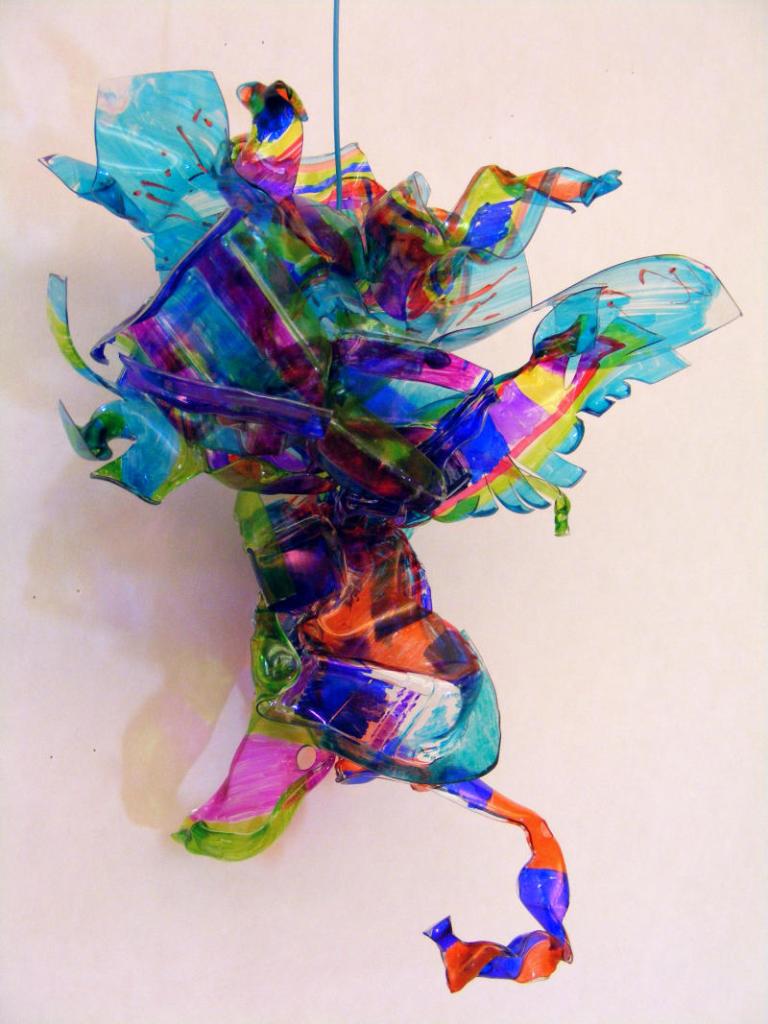
This object can be exhibited in two ways, on its on, on a plinth and the materials I will use will be wood and glass.  Also can be shown hanging many of them in the space as an installation with a light material such as transparent plastic, combined with paper representing the constellations.

Bibliography.

`Jade Bi´, Tom Swape , You tube, – https://www.youtube.com/watch?v=oXzEW7mz3UY– 21 Jul 2018, (Accessed  Oct 3 2018).

`Inferno Dante´, Dante Aliguieri , – https://www.youtube.com/watch?v=XIcPSv9LXtY-

 Feb 10 2017, (Accessed  Sep. 20 2019).

 `399 days´, Rachel Kneebone, Victoria and Albert ,2014.

Jorge Luis Borges. Labyrinths. Edited by Donald A. Yeats and James E. Irby . (Penguin Modern Classics 1970)

Artist Statement.

 I am an interdisciplinary practitioner, a printmaker and painter whose work also extends into ceramics and sculpture. I experiment with different techniques and express myself using a wide range of materials. I am challenging myself by exploring the materiality in printmaking and painting, the core of my practice.

Through the intuitive nature of my work the element of discover is of most significance, allowing accident and mistake occur, sometimes I deliberately provoke them, my interest is to develop flexible thinking and to improve my visual language.

Sometimes my interest is simplifying abstract forms that arise from the interpretation of the figurative image, which allows the viewer to make their own reading of the piece of art. I hope to create a space where the public can interact with their imagination and to realise the fiction of the perception created by our unconscious.   

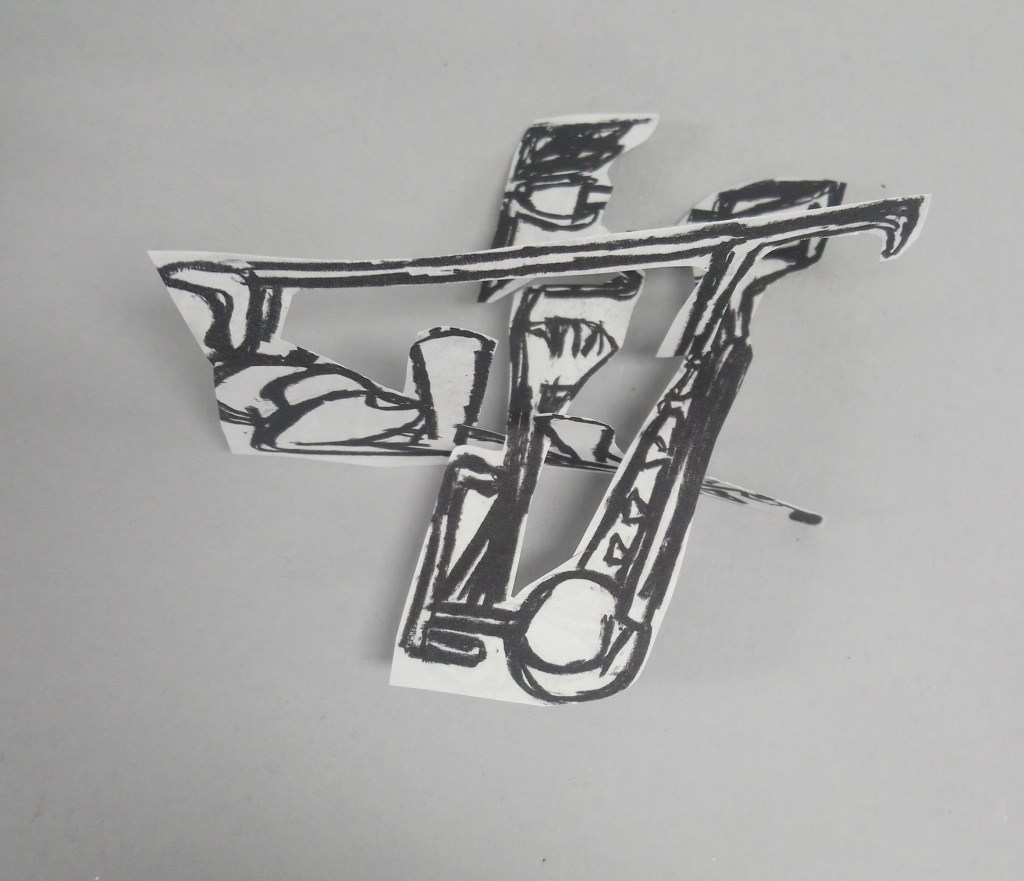
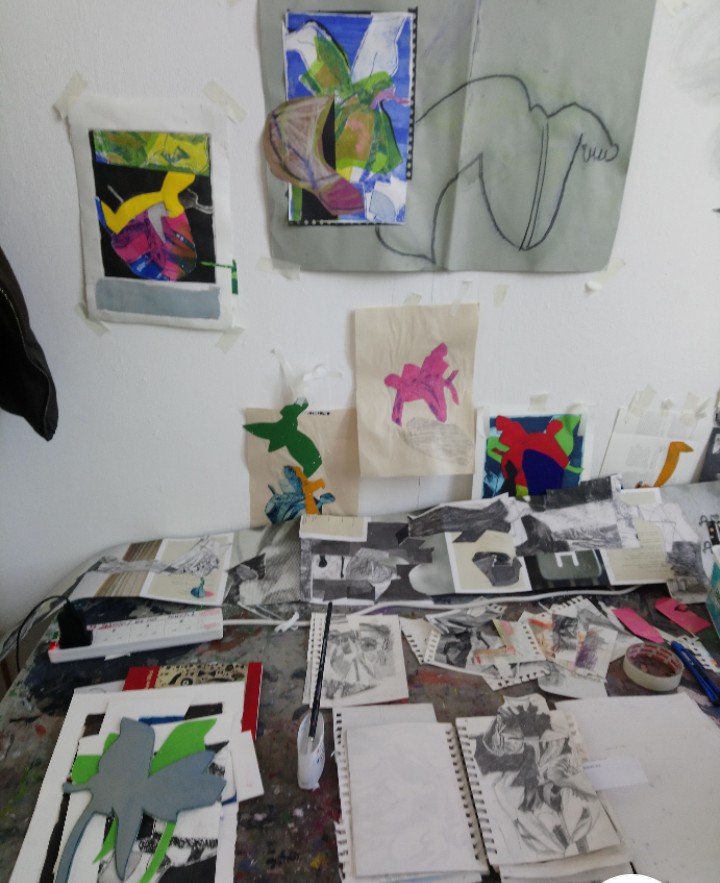
My work emerges as a developing process, it can start with collage made up of discarded defective prints, or it could emerge from Exhibition ephemera. I manipulate them by adding more cut out etchings. I choose one print and work in various ways, I destroy, push, pull, deconstruct, construct and collapse the image resolving in a process of constant abstraction and figuration, this is the thing which appears, not the thing in itself. I don’t have a preconceived idea it’s a call and response.

The 2D collages reach out in relief, they feel sculptural in themselves, I take the opportunity from this 2D collages to go into 3D sculpture and them back to the 2D painting, is a back and forward process mirroring the work of Michael Lady With his 3D collages .

My practice drawn from a range of sometimes contradictory sources, on one hand, I am attracted to the simple and minimalistic of the pieces Miles Davis music “Siesta” and “Human nature” the empty spaces in between the solos attracts me. The same occurs with the painters Agnes Martin and Elsworth Kelly, parts of the painting are resting from shapes and colours, it is an empty breathing space next to the simplicity of the form.

On the other hand I am drawn to the materiality of Amy Sillmans and Gillian Ayres. Their work infuses the complexity of the layers of paint and paper showing the history of the process and the interaction between the shapes, colours and mark making.

I perceive that my work is spontaneous and playful, intuitively mixing elements from observation and imagination. I am planning in the future to start to work with the prints on a much larger scale. I would like to incorporate stronger paper and wood as a support, to extend and make combinations of the etchings into 3D installations with them adding sound.

Creative Writing

Thoughts while we navigate London.

We are sitting on a branch at Barbican, we realize It is about movement, the wind is blowing that way the water moving towards us and making a sound,  The people are moving in different speed but the water is constant.

We were wandering about the history of the Barbican, and at the same time looking how things are changing constantly at that present moment, out of the blue we felt very existentialist with no answers, but the seagull came to us and it came to our mind the first question.

Is the seagull the answer?

So what is the question?

Now two seagulls, that means there are two answers, of what question?

Sometimes there is more than one answer to the question.

 To many elements around us to look at, we also saw Monet images of his paintings on the water and Sonia Delaneau on the walls. Art all around us.

Another thing we want to explore is about how to travel the city, going to the same place coming from different places, we want to go on something and up something we are fascinated about this staircase where people move up and down, while the clouds go around the planet, as they have done for millenniums and we are at Barbican looking all this new building, smelling baking bread and looking at the gabs between spaces and time,  Barbara Hepworth  speaks about the idea of looking through and the connection between things. The sense of place. Sound and smell and textures, how the sound relate the space. The hearing becoming visual, experience of Synaesthesia.

Relationship between the buildings ,we started drawing them, going back and forward with different medias, and knowing that  the drawing is the process of looking, we draw a piece of music and we make a piece of music by drawing, Notion  of interpretation , notion of the city.

We will not have new thoughts unless we get unbalance.

 Alternatives ways to record experience.

The day after we went to Westminster Abbey, we had new thoughts because we were unbalanced.

There were people gathering in the squares. Every city has their own hubs, where people meet. All squares are different meeting places and they have their own charm. Restaurants, taverns, bars, cafés… are places which bring people together. An image of the last supper was in front of us. What a wonderful experience that was! we were feeling as though we were traveling in time. It is like being in a Jorge Luis Borge´s tale, where past, present and future are part of the same reality.

There was a violinist playing in the street.  Chalkie was texting me telling me that she would arrive soon.  She wants to do an app for the project. I feel excited about this new project at the RCA. The violinist stopped playing and started picking up pieces of paper on the floor putting them in the bin. I was mesmerised by this beautiful action. In my mind the traffic came to a halt and I could only hear the seagulls. It was a magical moment! Chalkie arrived with a beautiful smile and full of ideas.

She was telling me about “Alice in Wonderland”. We decided that we would call the APP “Down the rabbit hole”

Some Good feedback from my mates at the RCA.

they wrote the name of this artist on the paper for me, and I Will really research them, I think are very relevant to my Project.

My Project. ( Photo as a final piece, objects, lights, reflection, mirrors, suspended, equilibrium, in and out, fragility of live, fragility of relations, unconscious, )

they ask for , scale? installation?

I think it was Nathan who wrote. Make more things!!!!

how many technics I Will use.

Any Particular precedents?

look at constructed photography. James Casebere and Ann Hardy.

Could the final outcome be the process? why the object? how do you relate to it?

Explore solutions between photo and object? how can they complement each others?

i WILL ANSWER ALL THIS QUESTIONS TO THE NEXT BLOG.

MAIN IDEAS FOR INVESTIGATOR PROJECT- MATERIALS RESEARCH.

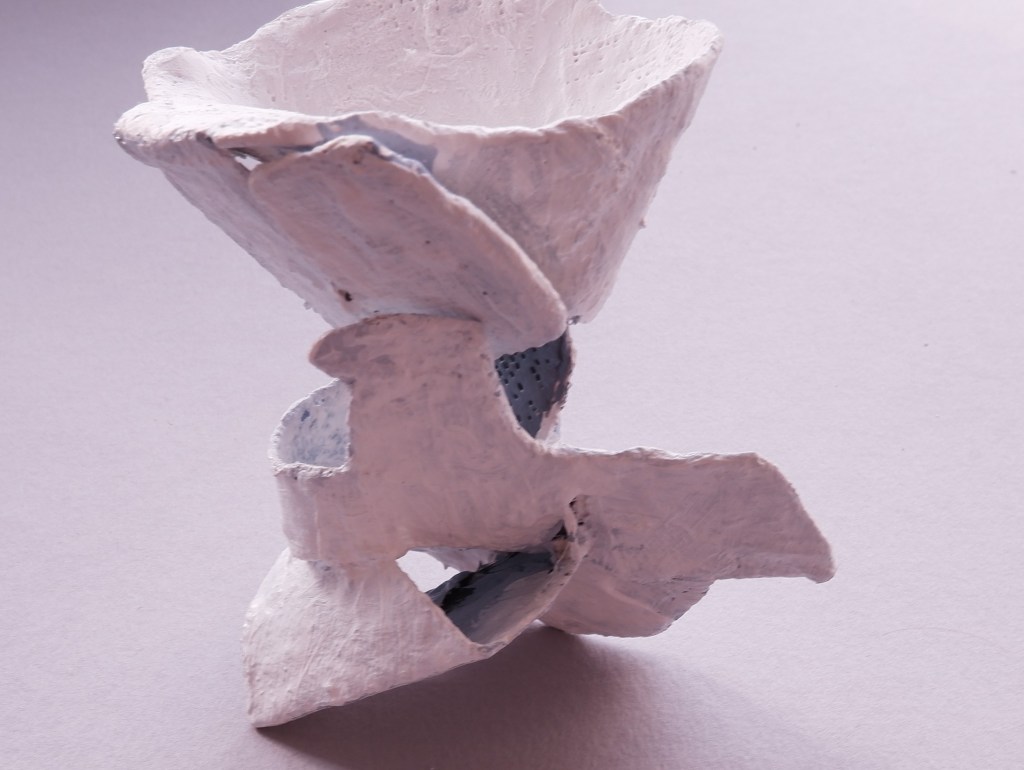
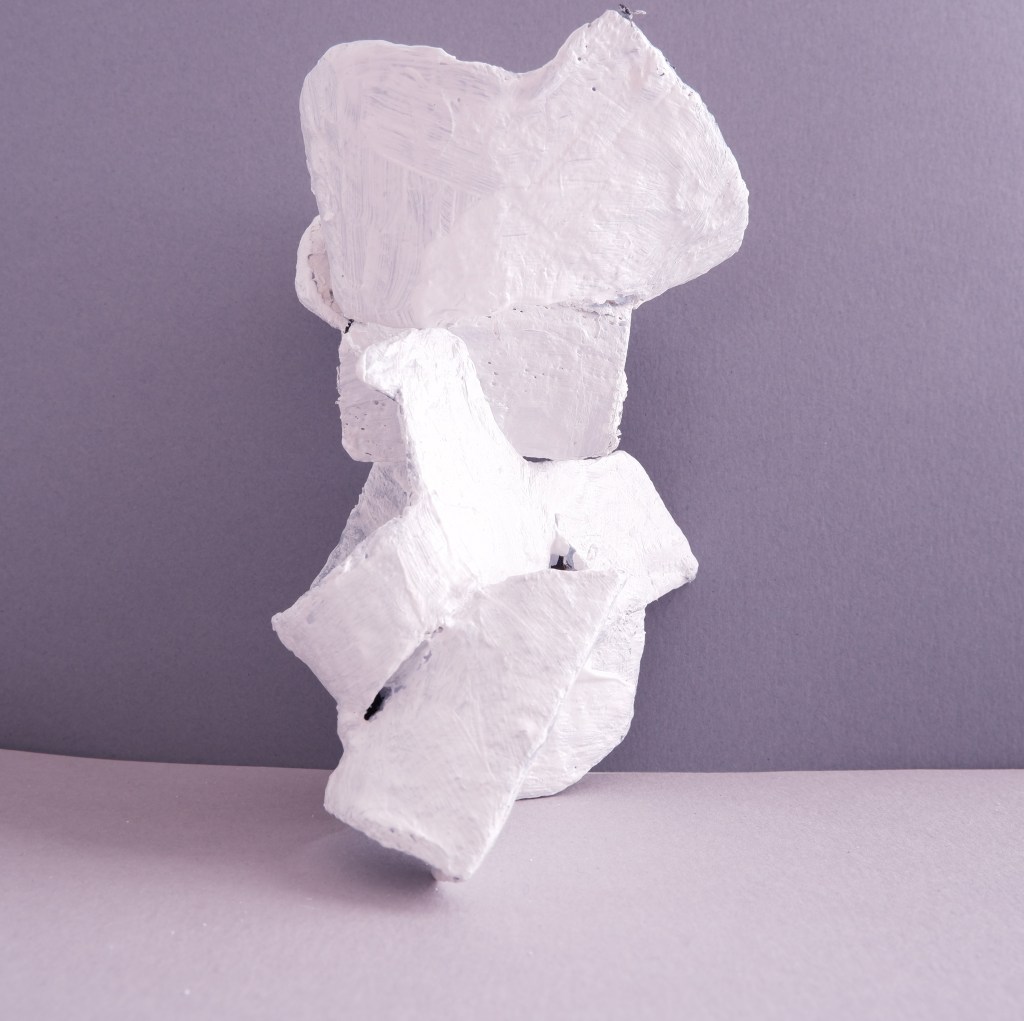
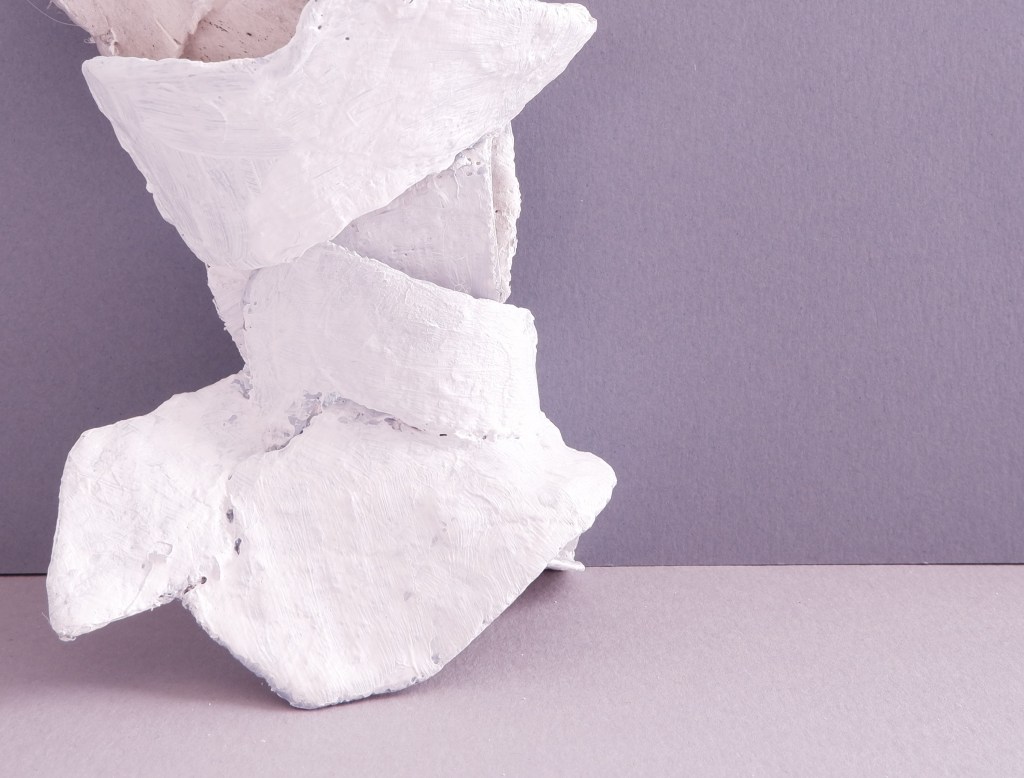
THE CHOSEN MATERIALS ARE PLASTER AND WOOD ,I WILL BE USING LASER CUTTER. The finish piece Will be a series of photos not the piece itself.

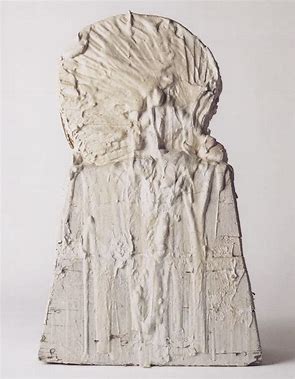
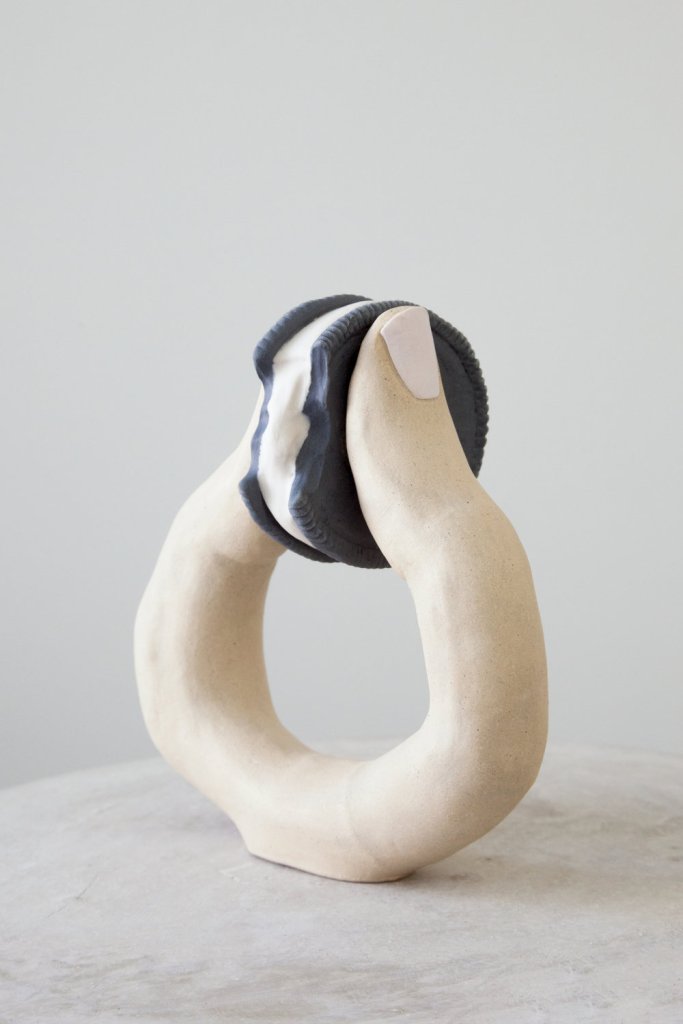
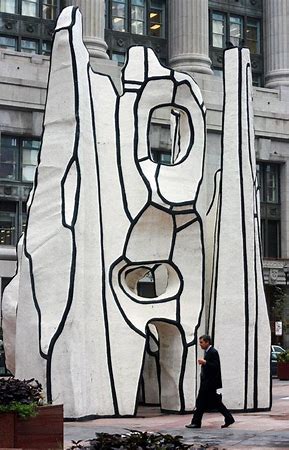
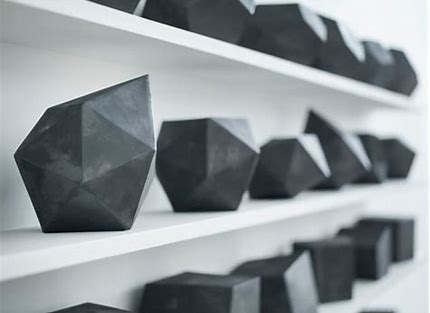
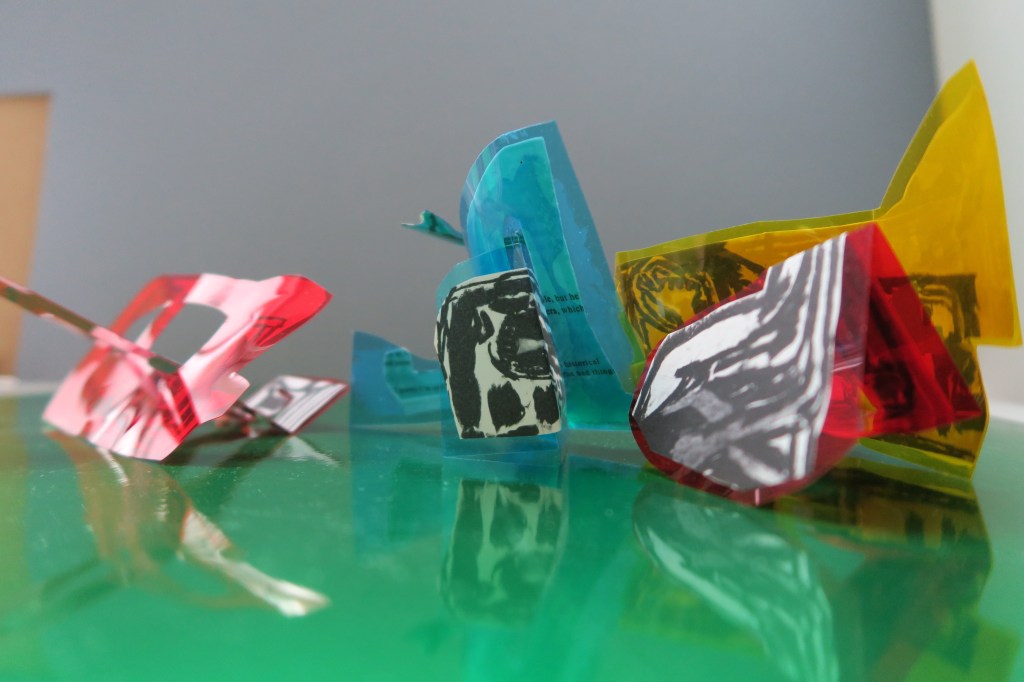
I am interested in the way the artists, shown above, use plaster, porcelain, cement and glass materials. I will use these works and their methods as inspiration for my ´Mirrow´ series. I will use a laser cutter to build the piece and use plaster to texture the piece or pieces I feel that the combination of these two factors will give me the best finish , some of the pieces will be painted like my Failed object in black and white. I plan to complete the rest of my series using porcelain and glass.

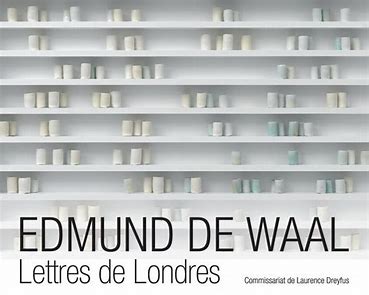
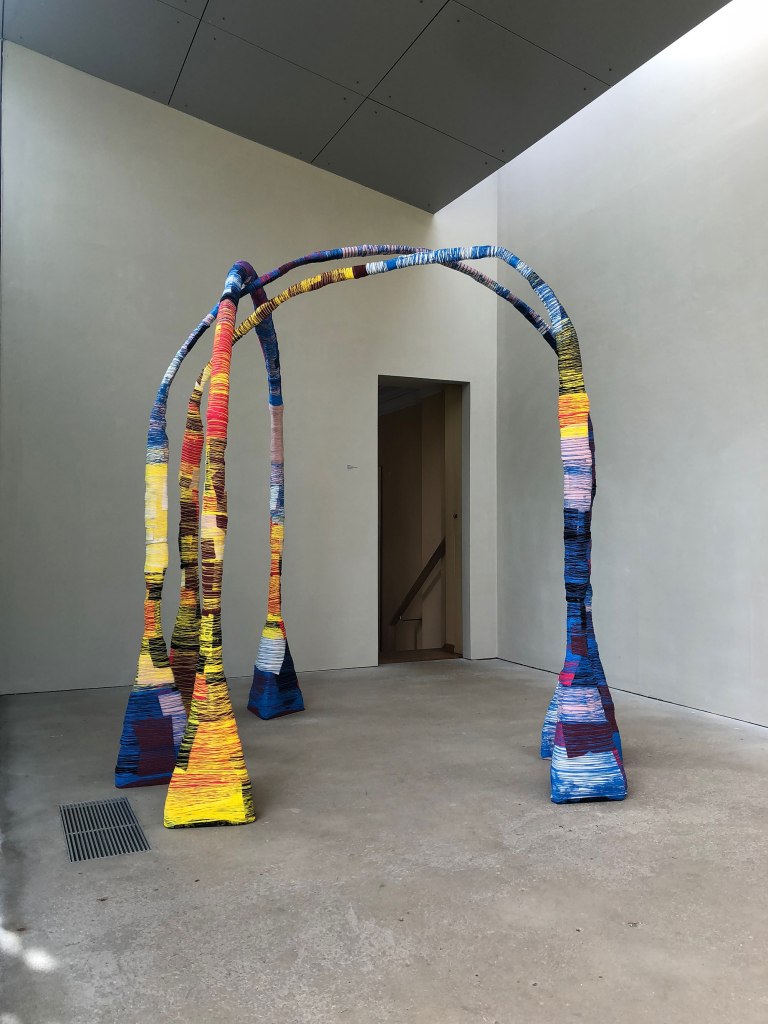
In addition to the physical pieces, I will create an exhibition wall made up of photographs of the pieces within the series. I can then display them in different ways to showcase each piece or a group of small pieces, I´m inspired by the way in which Edum de Waal does this, by placing mirrors around each of the displays.

What are the pieces telling?

SUSPENDET ,TENSION, NEGATIVE SPACE, SHAPE,MINIMAL.

HIDDEN-PRESENT

MIRROW- NOTHING IS OUT THERE AND EVERYTHING IS out there.

AS WITH IN SO WITHOUT.

´Mirrows´ series it makes references to the law of correspondece explained on the last block.

Explore different materials that are like mirrows. the idea is to deliver the message of fragility of live relations and distorted perceptions.

I am also interested in Suspensión and equilibrio in 3D shapes.

the outcomes can combine photos with objects making, with the research of materials.

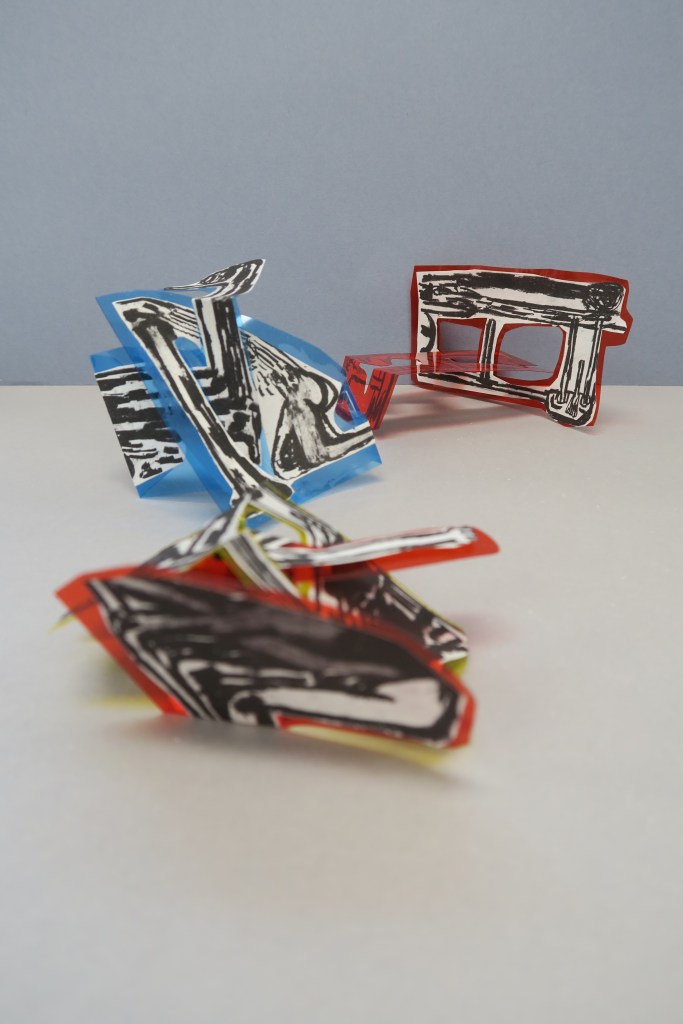
-A Wall full of prototypes.Influence of Art brut and informalism.

-from the vomiting figures with paper , I Will do some more with the material Shrinkles and Paint in black the figure.

-The pieces ” 3 different backgrounds” Paint them in White and make a display and the final piece is a photo.

from the pieces made with the material shrinkles I can add plaster and them Paint on the the vomiting figure.

-Photo with the colour plastic with the vomiting figure and add some bright color underneath.

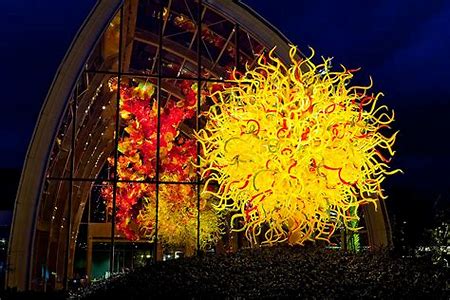
Yellow on Green. Green on yellow. I Will use mirrors for next Project. Law of Correspondence.

Warm colours. Bright and saturated tones.

the law of correspondence.

he Law of Correspondence says “as within so without, as above so below.” What this means is that your outer world is a reflection of your inner world.Your outer world is 360-degree mirror, everywhere you look you are seeing yourself reflected back. Wherever you go, there you are. Your outer world merely expresses your thoughts, beliefs, feelings, attitudes, etc.

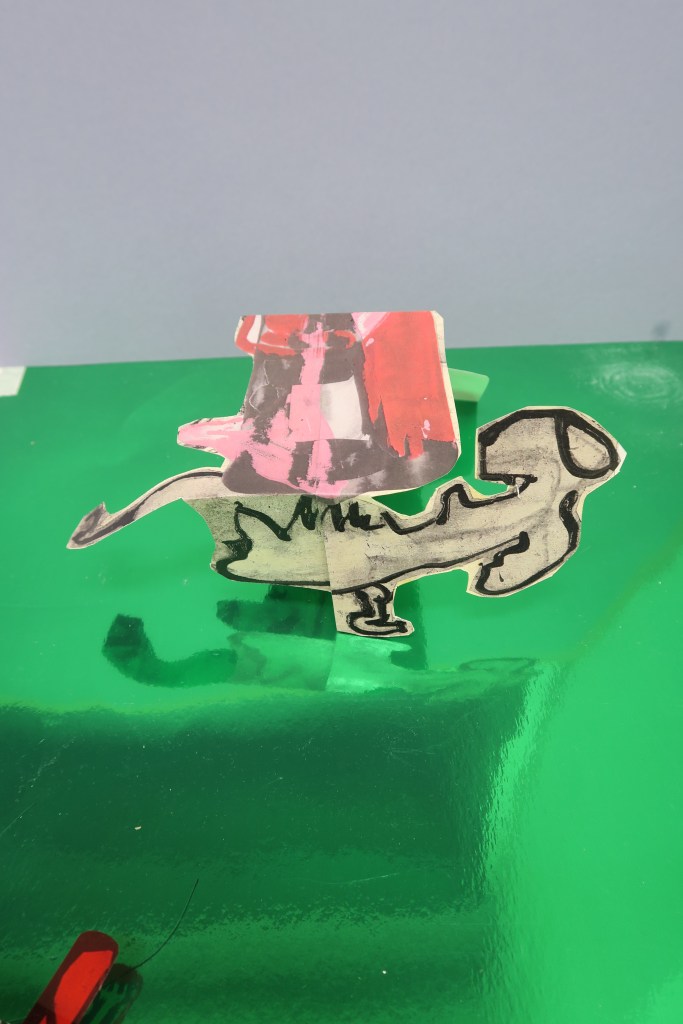
There is a bright and a reflection of the piece, is mirrowing the piece , Mirrows is a simbol of the law of correspondence.

This piece are two humans bodies vomiting on to each other.

A break with reality.

collage after having seen the Dora Maar exhibition..

Small collage before the critic, I will not show this one but I will show some 3d objects that I still have to finish tomorrow morning, the similitude of my photomontage and the prototypes I do is about ensemble shapes and colors, is all about shapes ,and tones and breaking down your reality ,your perception.